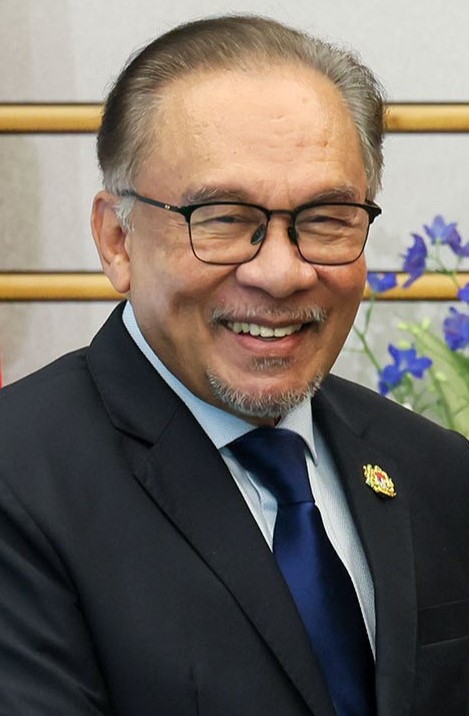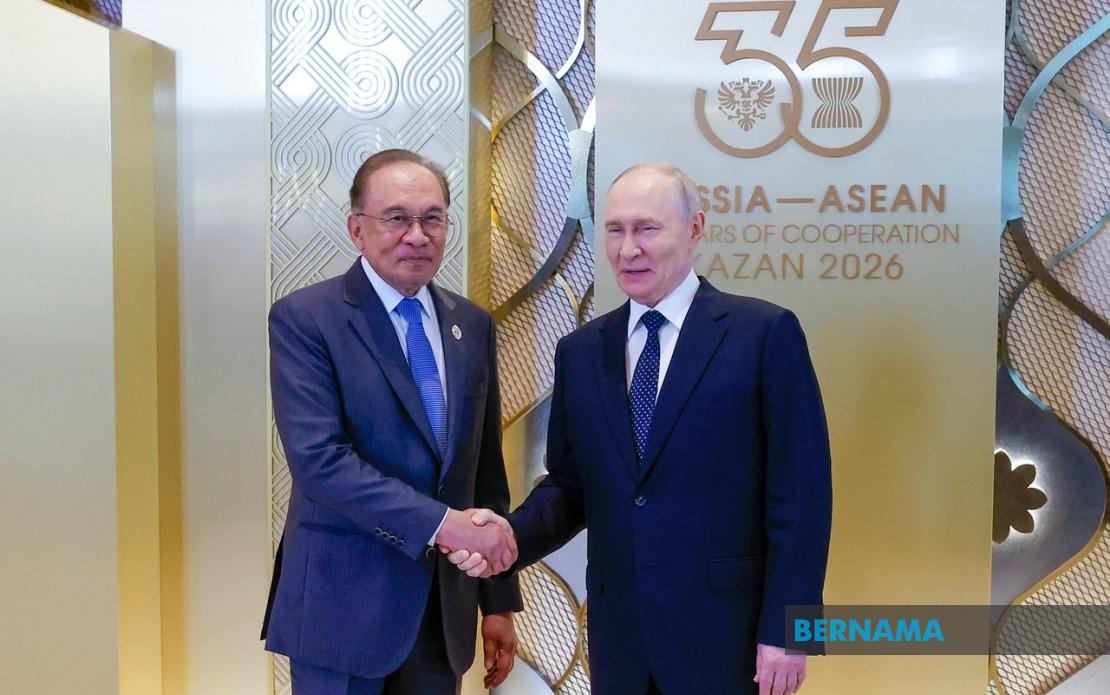
Prime Minister Datuk Seri Anwar Ibrahim has underscored the vital importance of structured engagement platforms in building understanding between nations, particularly as the world navigates mounting challenges and growing uncertainties. Speaking after attending a formal gala dinner hosted by President Vladimir Putin at the ASEAN-Russia Commemorative Summit in Kazan, Anwar stressed that such multilateral gatherings serve as more than ceremonial occasions—they function as crucial mechanisms for deepening relationships among participating governments.
The ASEAN-Russia Commemorative Summit, held in Kazan from June 17 to 18, provided the setting for Anwar's remarks about the necessity of regular high-level interaction between regional blocs. Anwar, who is also Malaysia's Finance Minister, explained that summits of this calibre create dedicated spaces where leaders can exchange perspectives openly and identify areas where cooperative efforts might generate mutual benefits for all ASEAN member states as well as Russia. The structured nature of such events allows participating nations to move beyond general discussions toward identifying concrete pathways for collaboration.
According to Anwar, the significance of these platforms extends beyond the immediate discussions that occur during formal sessions. Such gatherings are essential for constructing and reinforcing the foundations of trust that underpin healthy international relations. In an era when geopolitical tensions and competing interests frequently dominate global discourse, the opportunity to sit together and articulate positions directly addresses a fundamental gap in understanding that can otherwise lead to misunderstandings or miscalculations. The personal dimension of leader-to-leader engagement, which occurs at summits like these, cannot be easily replicated through diplomatic channels alone.
The cultural and historical dimensions of the Kazan summit also featured prominently in Anwar's assessment. He noted that the event successfully showcased Russia's rich cultural traditions, historical significance, and national heritage, thereby enriching the experience for the ASEAN delegation and creating a more humanistic context for diplomatic discourse. When leaders encounter the culture and history of another nation in such settings, it frequently facilitates a deeper appreciation for that country's perspectives and priorities, which in turn can soften positions and open doors to dialogue.
Anwar characterised the summit as an important venue for strengthening the bonds of friendship among the assembled leaders. Beyond the formal mechanics of negotiation and agreement-making, he highlighted how these occasions provide informal opportunities for relationship-building that often prove decisive in future bilateral and multilateral dealings. The gala dinner hosted by President Putin, in particular, created a space where leaders could interact in a more relaxed atmosphere, potentially enabling conversations that might be more constrained in formal negotiating rooms.
The Prime Minister's emphasis on engagement platforms reflects a broader Malaysian diplomatic philosophy that privileges dialogue and inclusive participation in regional affairs. Malaysia, as an ASEAN member state, has long advocated for constructive engagement with external powers and regional partners. The emphasis on bilateral relations alongside multilateral forums suggests that Anwar views a complementary approach—where both channels reinforce each other—as the most effective strategy for advancing national interests while contributing to regional stability.
For Malaysia and other Southeast Asian nations, the ASEAN-Russia summit holds particular significance as a means of maintaining balanced relationships with major powers. As geopolitical competition intensifies globally, ASEAN's collective engagement with Russia through such platforms allows the bloc to maintain non-aligned principles while ensuring that its voice remains heard by important international actors. This positioning is increasingly important as the region navigates great power competition between the United States, China, and other major players.
The identification of cooperation areas that deliver mutual benefits suggests a pragmatic approach to international relations. Rather than pursuing engagement for symbolic purposes alone, Anwar's framing emphasises concrete outcomes—economic partnerships, technical cooperation, cultural exchanges, and security dialogue. This outcomes-focused approach resonates with Malaysia's own development objectives and its desire to leverage relationships with all major powers for national advancement.
Anwar's remarks also implicitly acknowledge the limitations of digital communication and remote diplomatic channels, which have become more prevalent since the COVID-19 pandemic. While virtual platforms offer convenience and efficiency, they cannot fully replicate the trust-building potential of in-person summits where leaders can read body language, assess sincerity, and develop personal rapport. The physical presence at events like the Kazan summit represents an investment in relationship quality that many governments increasingly view as essential.
The timing of these comments—delivered in the context of contemporary global instability, including ongoing conflicts, trade tensions, and climate challenges—underscores why multilateral dialogue mechanisms have become more rather than less important. As problems facing nations become increasingly transnational and complex, unilateral approaches prove inadequate, making platforms for collective understanding and coordinated response all the more necessary. Anwar's advocacy for engagement platforms thus reflects both an idealistic commitment to dialogue and a pragmatic recognition of modern realities.
Looking forward, Malaysia's participation in and commitment to such summits signals to both ASEAN partners and external powers that Southeast Asia remains committed to maintaining open channels of communication across geopolitical divides. This approach enables the region to punch above its weight by leveraging dialogue to influence outcomes rather than being swept along by currents over which it has no control. The ASEAN-Russia summit exemplifies how regional groupings can maintain agency and relevance by sustaining active engagement with all significant international players.