A 16-year-old student died at a school in Negeri Sembilan this morning, prompting Education Minister Fadhlina Sidek to appeal for the public to extend compassion and respect to the grieving family during this tragic period. The incident has triggered a police investigation, with the ministry pledging its full cooperation in establishing the circumstances surrounding the teenager's death. Amid intense public interest in such cases, the minister's intervention underscores growing awareness among government officials about the need to shield families from unwarranted scrutiny and media intrusion during their moments of profound loss.
Through a Facebook statement, Fadhlina conveyed the ministry's deepest condolences, offering religious comfort by invoking prayers for the student's soul and requesting divine strength for the family. The statement reflected the sensitivities involved in handling such incidents within the school system, where the death of a student inevitably reverberates through the entire educational community and extends into the broader public consciousness. The minister's measured response indicated a deliberate effort to balance transparency with the protection of family dignity, a balance that has become increasingly important as social media amplifies public commentary on sensitive matters.
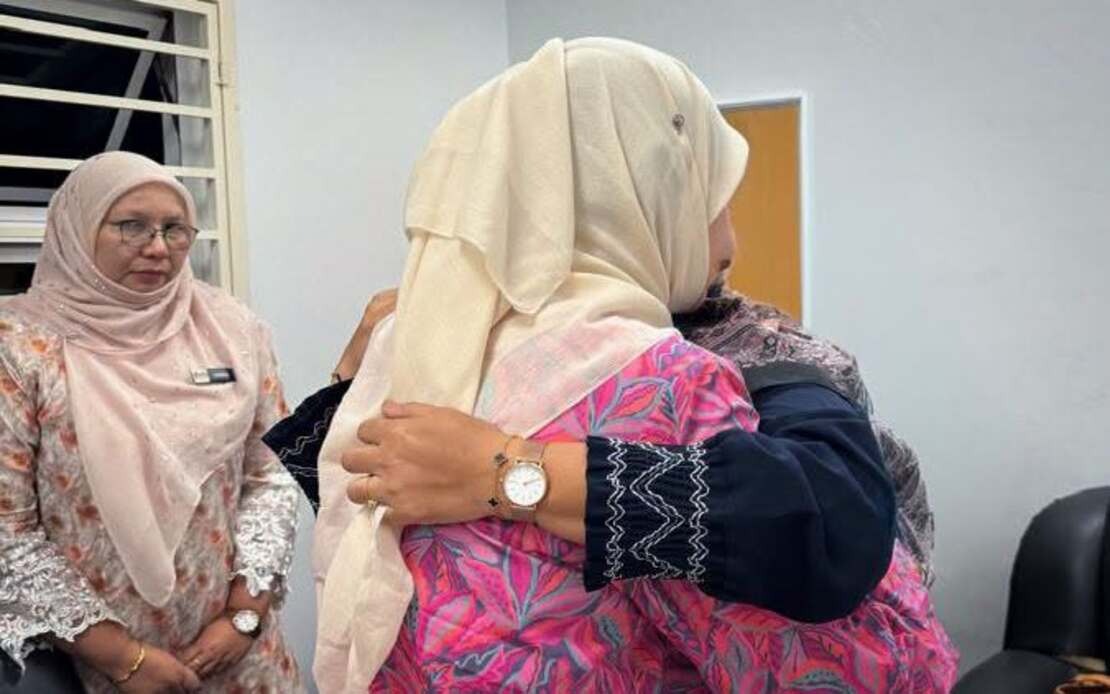
The Education Ministry's response went beyond symbolic gestures. Fadhlina, together with Education director-general Datuk Dr Mohd Azam Ahmad, visited the student's family at Rembau Hospital to offer direct support and demonstrate ministerial commitment to assisting those affected. Such visits serve multiple purposes: they provide immediate emotional support to grieving relatives, signal institutional accountability, and enable senior officials to gather firsthand information about circumstances and needs. The presence of the director-general alongside the minister underscored the gravity with which the ministry treats student welfare, a matter that sits at the heart of Malaysia's education sector responsibilities.
The emphasis on providing comprehensive assistance reflects broader evolving expectations within Malaysia's education system. Beyond the immediate crisis response, families affected by tragic student deaths require multifaceted support spanning emotional counselling, practical administrative assistance, and sometimes financial aid. The ministry's stated priority to ensure "the best possible assistance" signals recognition that the burden on bereaved families extends far beyond the moment of loss, encompassing grief management, funeral arrangements, and the emotional rehabilitation of surviving family members and school communities.
Schools in Malaysia have increasingly become focal points for community welfare concerns, particularly when incidents occur on campus during school hours. Such tragedies raise questions about duty of care, emergency preparedness, and the psychological impact on other students and staff who witness or learn of the incident. The police investigation will likely examine whether all safety protocols were followed, whether staff responded appropriately, and whether any systemic factors contributed to the outcome. For the Ministry of Education, such investigations provide opportunities to identify gaps in institutional procedures and student support mechanisms.
The appeal for public space and sensitivity carries particular weight in Malaysia's digital age, where information spreads rapidly across social media platforms and online communities often generate speculation and commentary that can compound family trauma. Fadhlina's explicit request for restraint represents an acknowledgment that unchecked public discourse, however well-intentioned, can hinder healing and complicate investigations. The statement essentially invites Malaysians to distinguish between legitimate public interest in understanding what occurred and inappropriate intrusion into private grief.
For schools across Negeri Sembilan and beyond, incidents of this nature typically trigger comprehensive reviews of support systems, safety protocols, and counselling services. Educational institutions must balance openness about what transpired with sensitivity toward all affected parties. Students, particularly those in the same school or year group, may experience significant emotional distress and require dedicated mental health support. Teachers and administrative staff may also need assistance processing the trauma of working in an environment where a student has died, necessitating that school management prioritize psychological first aid and longer-term counselling resources.
The ministry's visible response also reflects broader global trends in institutional crisis management, where transparency and compassion are increasingly recognized as necessary components of effective public communication during tragedies. Malaysian education stakeholders and parents will be monitoring how authorities handle both the investigation and the provision of support, with implications for public confidence in the system's capacity to protect students and respond humanely when crises occur. The precedent set by the minister's intervention may influence how future similar incidents are addressed across the country's schools.
Police investigations into student deaths typically involve multiple agencies and can extend over considerable periods as authorities determine causation and identify any contributing factors. Throughout this process, the family's privacy must remain paramount, yet the public's legitimate need to understand what happened within the school system must also be acknowledged. The Education Ministry's dual commitment to full cooperation with investigations while protecting family dignity represents an attempt to navigate this inherent tension responsibly.
Ultimately, this incident serves as a sobering reminder of the fragility of student life and the profound responsibilities shouldered by educators, parents, and policymakers in Malaysia's school system. The minister's compassionate appeal represents more than routine institutional messaging—it reflects a conscious choice to privilege human dignity over sensationalism, to support families over speculation, and to model the sensitivity that Malaysian society should demonstrate when confronted with tragedy. As the investigation unfolds, the focus must remain on understanding what occurred while maintaining the space and support that the family desperately needs to begin their journey through grief.

