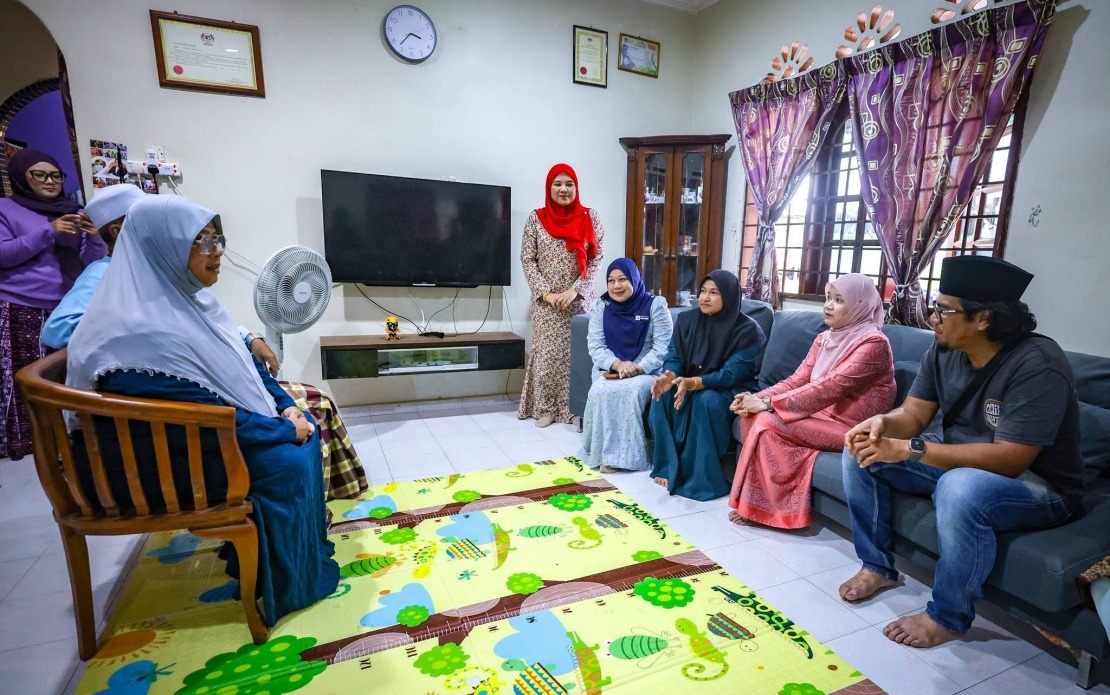
Education Minister Fadhlina Sidek paid a condolence visit to the family of Muhammad Raiyan Nufael, a Form Two student who died after collapsing during a rugby training session at a school in Telok Mas, Melaka on Wednesday. The minister's visit on June 26 came in an official capacity representing personnel from the Ministry of Education, underscoring the gravity with which the department treated the unexpected loss.
Muhammad Raiyan, aged 14, had been participating in routine rugby training when he suddenly experienced difficulty breathing. According to available reports, the teenager had been engaged in the training session for approximately 15 minutes before the medical emergency occurred. He collapsed while listening to instructions from the coach during a scheduled break in the practice, around 6 pm on the evening of the incident. The swift deterioration of his condition proved fatal despite intervention efforts.
The circumstances surrounding the teenager's death have prompted immediate scrutiny of school athletic practices and supervision protocols. The rapid onset of symptoms—occurring within such a short training window—raises questions about pre-exercise screening procedures, adequate hydration, and medical preparedness at the venue. Schools across Malaysia conducting contact and collision sports must now consider whether their current safety frameworks adequately protect young athletes, particularly those who may have underlying health conditions unknown to coaches or parents.
In her Facebook statement, Fadhlina Sidek expressed deep sympathy with the bereaved family, invoking religious sentiment appropriate to the loss. She sought comfort for the parents through spiritual affirmation, acknowledging both the family's immediate grief and the longer journey of recovery they face. The public nature of the minister's tribute served to recognize the community's collective mourning while emphasizing that the state education system takes such tragedies seriously at the highest administrative levels.
The incident highlights ongoing concerns within Malaysian schools regarding athletic supervision and emergency medical response. Rugby, while building character and physical resilience among adolescents, carries inherent risks of injury and, occasionally, catastrophic health events. The question of whether coaching staff were adequately trained in recognizing signs of medical distress—such as heat-related illness, cardiac events, or other acute conditions—remains crucial for understanding how similar incidents might be prevented.
Sports-related deaths among young people, though statistically uncommon, create significant ripple effects through school communities and nationwide conversations about youth safety. Parents become understandably anxious about their children's participation in structured athletic programs, while educators and administrators face the challenging task of balancing character development through sports with robust protective measures. The Ministry of Education will likely review protocols across all schools to ensure that rugby programs and other contact sports maintain standards that prioritize student welfare.
The timing and speed of Muhammad Raiyan's collapse—occurring during a coaching briefing rather than during active play—suggest that the underlying cause may have been unrelated to direct physical trauma. This possibility further emphasizes the importance of pre-participation health screening, particularly for adolescents engaging in demanding physical activities. Some teenagers may possess undiagnosed cardiac conditions or other vulnerabilities that could trigger sudden medical crises under stress.
The Telok Mas school now faces the difficult task of supporting its student body through collective grief while addressing safety improvements. School administrators, coaches, and parents will likely engage in detailed reviews of what occurred and what warning signs, if any, were missed. Such institutional soul-searching, while painful, often leads to meaningful changes in how schools approach athletic programming and emergency preparedness.
At the national level, the Education Ministry may consider whether existing guidelines for school sports are sufficient or require updating. Questions about adequate first aid training, presence of trained medical personnel, emergency equipment availability, and clear protocols for summoning ambulance services warrant careful examination. Other schools conducting rugby programs will likely enhance their safety measures in response to this tragedy.
The loss of Muhammad Raiyan represents not only a personal family tragedy but also a moment for the Malaysian education system to reflect on its responsibilities toward young athletes. The minister's visit acknowledged both the immediate human dimension of loss and the systemic questions that such incidents inevitably raise. Moving forward, ensuring that school sports remain beneficial while minimizing preventable risks will require commitment from education officials, school leadership, coaches, and parents working together.

