A criminal investigation has been launched in Rajasthan's Dholpur district following allegations that two young sisters were killed by their own family members and disposed of in a river, authorities revealed on Friday. The case marks another inquiry into the deeply troubling phenomenon of honour-based killings that continues to plague parts of India, raising fresh questions about family violence and gender safety in conservative communities across the country.
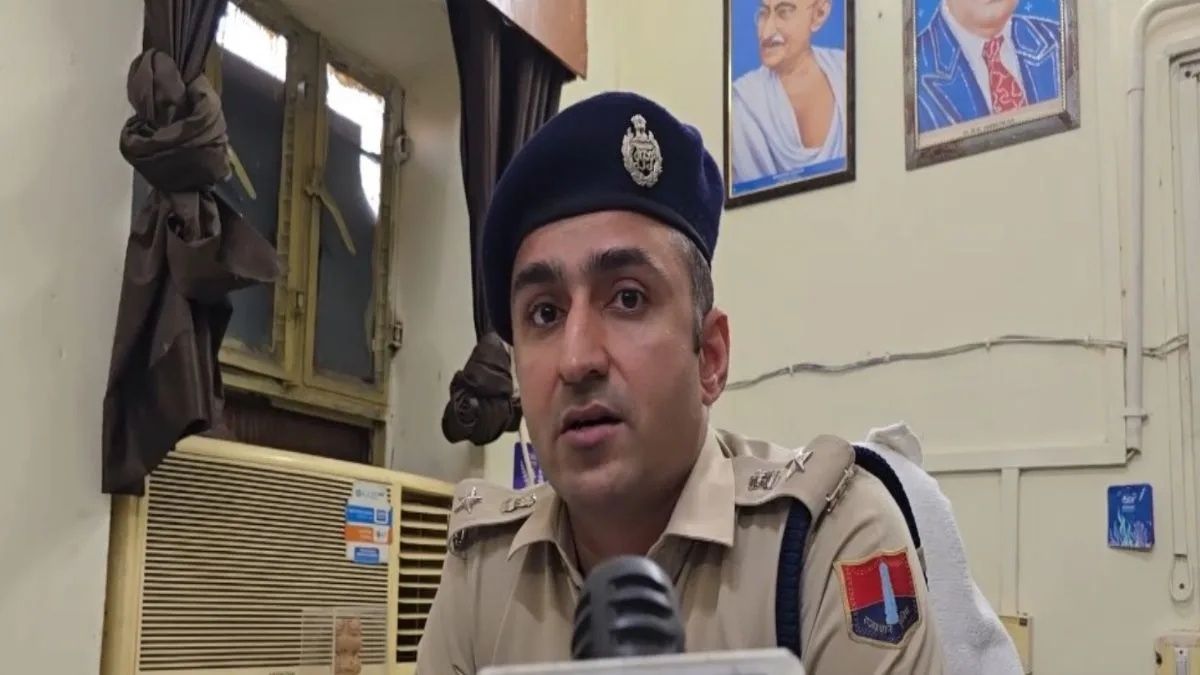
Police have identified the alleged perpetrators as family relatives, with the women's father, Bharat Lodha of Pharakpur village, named as a principal suspect in the deaths. According to Superintendent of Police Vikas Sangwan, the investigation began after officers received information suggesting the two daughters had been killed and disposed of in the waterway, prompting immediate intervention from authorities in the Sadar Police division.
The tragic incident reportedly occurred during the evening hours of June 11, with officers estimating the deaths took place between 9 and 10 p.m. near the Sagarpada Bridge, a location that appears to have been deliberately selected by those allegedly involved in the crime. The choice of this particular bridge suggests potential premeditation, as it provided access to the river while potentially offering some seclusion from public view during late evening hours.
Initial investigative findings point to a deeply personal motive rooted in family opposition to romantic relationships the young women had pursued. Police suspect that the family's objection to these relationships escalated to fatal consequences, a tragic pattern that reflects broader societal pressures within communities where family honour is perceived as contingent upon women's marital and romantic choices. Such cases underscore the severe danger faced by young women in patriarchal settings where romantic autonomy is viewed as an affront to family reputation.
The investigation has focused significant attention on reconstructing the events leading to the alleged crime, with police conducting detailed inquiries into the logistics of how the victims were transported to Sagarpada Bridge. Officers are examining who accompanied the young women, what vehicles were used, and the precise sequence of events that unfolded at the location. These investigative threads are critical to establishing both opportunity and intent among the accused family members.
Superintendent Sangwan emphasized that while preliminary findings strongly suggest family involvement and an honour-killing motivation, the investigation remains ongoing and several details continue to be verified. He noted that authorities are gathering physical evidence from the bridge area and its surroundings while simultaneously conducting interviews with individuals linked to the case and the broader family network. The methodical approach reflects the complexity of honouring killings investigations, which often involve multiple family members and deeply entrenched community attitudes.
The case carries significant implications for gender safety discussions across South Asia, where honour killings represent a persistent manifestation of extreme gender-based violence. Although precise statistics prove difficult to compile due to underreporting and varied legal definitions, such incidents regularly emerge from Indian states including Rajasthan, Haryana, and Uttar Pradesh. The phenomenon reflects a troubling intersection of patriarchal control, family authority, and women's fundamental right to personal autonomy in matters of the heart.
For Malaysian observers and regional policymakers, this case serves as a sobering reminder of the vulnerabilities that remain in societies where women's choices regarding relationships and marriage face intense family scrutiny. While Malaysia has made significant strides in protecting women's rights through legal frameworks and civil society awareness, gender-based violence rooted in family honour and reputation continues to pose risks in certain communities. The case underscores the importance of comprehensive legal protections, robust investigation mechanisms, and sustained public education about women's rights.
The investigation represents one of many similar cases being pursued across Indian law enforcement agencies, part of a broader pattern that criminal justice experts have identified as a public health crisis requiring coordinated responses. Beyond prosecuting individual perpetrators, addressing honour killings demands systemic interventions including educational programmes, community engagement, and support services for women at risk. Rajasthan police have indicated that legal action will follow based on investigation findings, though such cases often prove emotionally and legally complex given the family dynamics involved.
As the Dholpur investigation progresses, authorities face the challenge of securing evidence while navigating family loyalties and potential witness reluctance that frequently hampers honour-killing investigations. The case highlights why effective police training in gender-sensitive investigation techniques remains essential across the region, particularly in rural areas where traditional authority structures can discourage reporting and cooperation with law enforcement. The young women's deaths, tragic as they are, may ultimately contribute to heightened awareness about the dangers inherent in environments where family reputation supersedes individual safety and choice.

