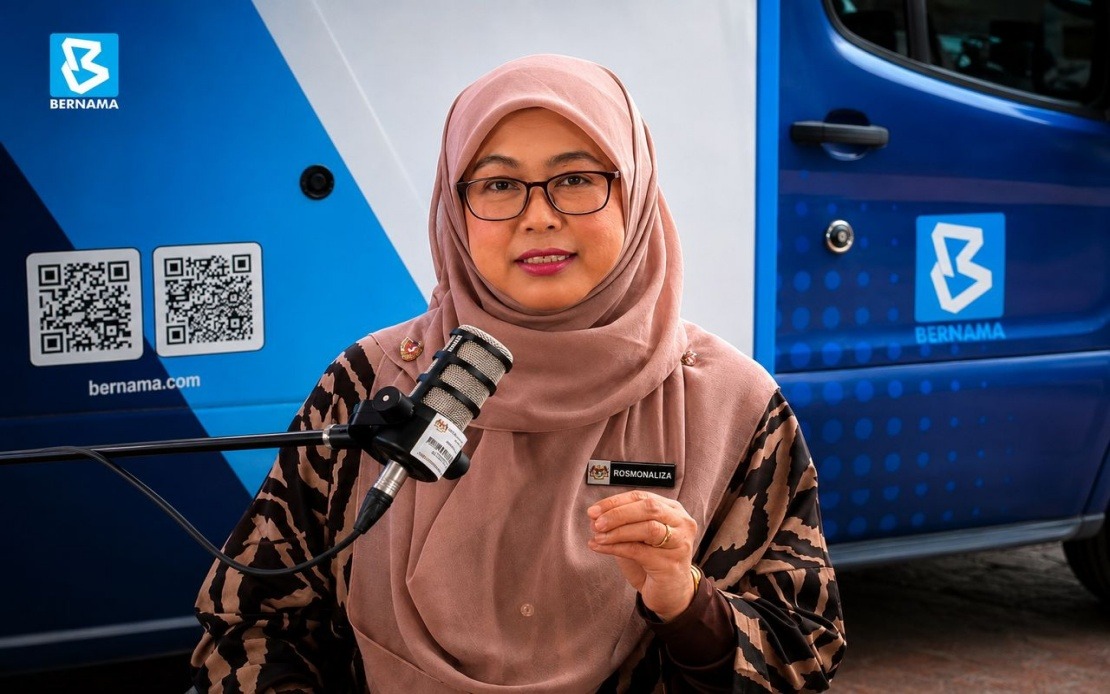
The National Population and Family Development Board (LPPKN) has issued a call for Malaysian fathers to embrace an expanded role in family life that extends well beyond the traditional breadwinner function. Speaking in Kuala Lumpur on June 25, LPPKN's Family Well-being Division director Rosmonaliza Abdul Ghani underscored how shifting social and economic realities demand that fathers become active participants in their children's emotional growth and academic pursuits. The appeal reflects a broader recognition that modern family dynamics require men to engage more meaningfully with their children's developmental needs, contributing both to individual well-being and the strength of family institutions across the country.
Rosmonaliza articulated a vision of fatherhood that positions men as transformative figures within households rather than merely financial providers. This reframing acknowledges that effective parenting depends on open communication, consistent emotional engagement, and genuine presence in a child's life. The LPPKN director emphasized that fathers today must recognize their influence in shaping not just their children's character, but the stability and resilience of entire family systems. This perspective aligns with growing international research demonstrating that paternal involvement significantly correlates with better educational outcomes, improved mental health, and reduced behavioural problems in children.
An encouraging trend emerging in Malaysia is the increasing willingness of men to seek professional support. Rosmonaliza noted that more fathers are now attending counselling sessions with spouses and children, suggesting a gradual cultural shift toward acknowledging mental health and interpersonal challenges. This openness to professional help represents meaningful progress in combating the stigma traditionally associated with men discussing emotional vulnerability. The LPPKN has responded by establishing comprehensive support frameworks that provide counselling, therapeutic interventions, and personality assessments specifically designed to address the pressures that fathers face, including financial strain, mental health difficulties, and broader life challenges.
The board's support infrastructure recognizes that many fathers operate in isolation, struggling with pressures while lacking safe spaces to voice their concerns. By creating counselling environments where men feel accepted rather than judged, LPPKN aims to prevent fathers from suppressing emotional distress—a pattern that historically contributes to family breakdown and social dysfunction. The rising number of men engaging with these services indicates genuine demand for such spaces, and their expansion remains critical given Malaysia's ongoing challenges with family stability and child welfare.
Experience working directly with vulnerable populations underscores the devastating impact of absent or dysfunctional fathers. Abbe, drawing on work with the urban poor and street children, highlighted how many social problems originate from the absence of engaged father figures within families. Drug abuse among household heads and cycles of poverty frequently precipitate family collapse and the emergence of broader social issues, including youth delinquency and street involvement. This ground-level perspective connects individual family dysfunction with wider societal challenges, demonstrating that paternal engagement is not merely a personal or domestic matter but a public health and social stability issue.
Addressing fathers who struggle with these challenges requires approaches grounded in compassion rather than punitive judgment. Abbe advocated for wisdom and empathy when engaging with men facing difficulties, particularly those wrestling with self-esteem issues or wounded pride. He noted that interventions incorporating religious values and family principles often prove more effective in encouraging men to reclaim their responsibilities as household heads. This insight suggests that culturally sensitive and spiritually informed support mechanisms may resonate more powerfully with Malaysian fathers than imported frameworks that ignore local contexts and values.
Spouses and children play indispensable supporting roles in helping fathers navigate life's pressures without resorting to harmful coping mechanisms. Rosmonaliza stressed that family members must actively acknowledge and validate a father's efforts, creating an environment where emotional expression and vulnerability are normalized rather than dismissed. This reciprocal support system proves essential for preventing fathers from internalizing stress and eventually experiencing breakdowns that destabilize entire households. When family members appreciate and recognize paternal sacrifices, they reinforce positive identity and motivation.
The value of paternal presence extends far beyond material provision. Rosmonaliza emphasized that children derive greater benefit from quality time and genuine engagement with their fathers than from accumulated possessions or financial advantages alone. This message carries particular resonance in Malaysia's increasingly affluent urban middle class, where the pressure to prioritize income generation sometimes crowds out relational investment. Children who experience consistent, engaged fathering develop stronger emotional security, healthier self-concepts, and more robust capacity to navigate adversity.
Younger generations must cultivate awareness of paternal contributions before familial relationships become strained or irreparable. Rosmonaliza's reminder that children should not delay appreciating their fathers' sacrifices addresses a common regret expressed by adult children who failed to recognize parental efforts during formative years. This forward-looking perspective encourages intergenerational communication and gratitude before opportunities are lost. As Malaysia continues modernizing, nurturing father-child relationships characterized by mutual appreciation and authentic connection becomes increasingly vital for family cohesion and individual flourishing.
The broader implication of LPPKN's position is that strengthening families requires intentional efforts to support fathers and expand their engagement beyond economic provision. Malaysia's vision for stable, resilient communities depends partly on creating conditions—through counselling access, cultural affirmation, and family support systems—that enable fathers to thrive in expanded roles. This approach recognizes that paternal well-being directly influences children's development and family stability, making it a worthwhile investment in national social health. As conversations about modern fatherhood continue evolving across Malaysia, the challenge lies in translating these aspirational messages into accessible, practical support that reaches fathers across all socioeconomic backgrounds.

