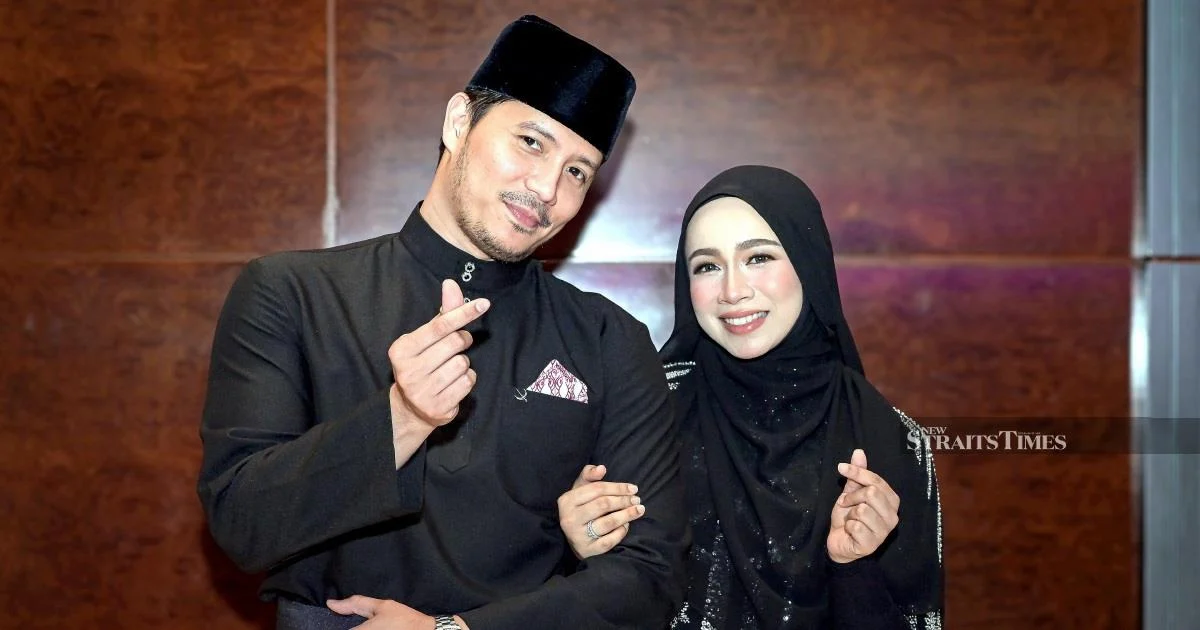
Television personality Fattah Amin and his wife Amira Othman have issued emphatic denials regarding accusations that surfaced across social media platforms linking the high-profile couple to physical mistreatment of their Indonesian domestic worker. The allegations, which gained considerable traction online in recent days, have prompted the entertainment personalities to respond with declarations of innocence and signals that they intend to pursue legal remedies against those spreading the claims.
The rapid dissemination of the allegations through social media underscores the precarious position public figures occupy in Malaysia's digital landscape, where unverified claims can achieve substantial circulation before verification occurs. For entertainment celebrities particularly, reputational damage from such accusations—regardless of their accuracy—can materially affect career prospects, brand endorsements, and public standing. The couple's swift response reflects the urgency with which high-profile personalities must now address allegations in an era where narrative can solidify faster than facts can be established.
Domestic worker welfare remains a significant issue throughout Malaysia and across Southeast Asia broadly. The country hosts an estimated two million foreign domestic helpers, predominantly from Indonesia, Philippines, and Bangladesh, with occasional high-profile cases of abuse garnering national attention and prompting discussions about labour protections and enforcement mechanisms. These incidents have historically prompted civil society organisations to call for stronger regulations and greater monitoring of employer conduct, though practical implementation remains challenging given the private nature of household employment.
The couple's indication that they will pursue legal action represents a familiar strategy employed by celebrities confronting online allegations. Malaysian defamation law provides avenues for those harmed by false statements to seek damages and corrections, though litigation can prove protracted and costly. The threat of legal recourse serves both as substantive protection of reputation and as a deterrent against further circulation of disputed claims, though critics argue that prominent figures sometimes weaponise such threats to silence legitimate scrutiny.
Social media amplification of allegations presents particular challenges for establishing facts. Unattributed videos or testimonies can acquire apparent credibility through repetition and sharing, yet identifying original sources and verifying authenticity frequently proves difficult. Content management platforms face mounting pressure from governments and civil society to moderate harmful material, yet the tension between removing genuinely harmful content and preserving space for legitimate criticism and information-sharing remains unresolved in most jurisdictions.
Fattah Amin has cultivated a substantial entertainment career spanning television, film, and music production, while Amira Othman similarly maintains presence within the local entertainment ecosystem. Their prominence ensures that allegations involving them will generate significant public interest and media coverage. The intersection of celebrity status and allegations involving vulnerable workers—such as domestic helpers with limited legal recourse and language barriers—creates particular sensitivities within Malaysian public discourse.
The broader context of domestic worker protection in Malaysia reflects ongoing tensions between household privacy, employer prerogatives, and worker rights. While the government has periodically announced measures to strengthen oversight and worker welfare protections, enforcement mechanisms remain inconsistent. Employment agents, recruitment procedures, and mechanisms for reporting abuse have faced criticism from human rights organisations as inadequate to the scale of potential exploitation occurring within private homes.
Online allegations of abuse warrant careful consideration of both the seriousness of potential harm to vulnerable workers and the rights of those accused to defend their reputations against false claims. The couple's denial and signalled legal response will now likely trigger scrutiny of evidence, witness accounts, and other substantive factors that might determine the veracity of the allegations. Simultaneously, the episode illustrates how digital platforms can weaponise social media to generate reputational pressure independent of established facts.
For Malaysian audiences following celebrity news, the unfolding narrative presents a reminder that viral social media claims—particularly those involving serious allegations—merit scepticism pending verification. The responsibility for truthful reporting extends not merely to traditional media outlets operating under established editorial standards, but increasingly to social media users who amplify claims without verification. Whether this particular incident will ultimately vindicate the couple or reveal substantive misconduct remains to be determined through legal and investigative processes.