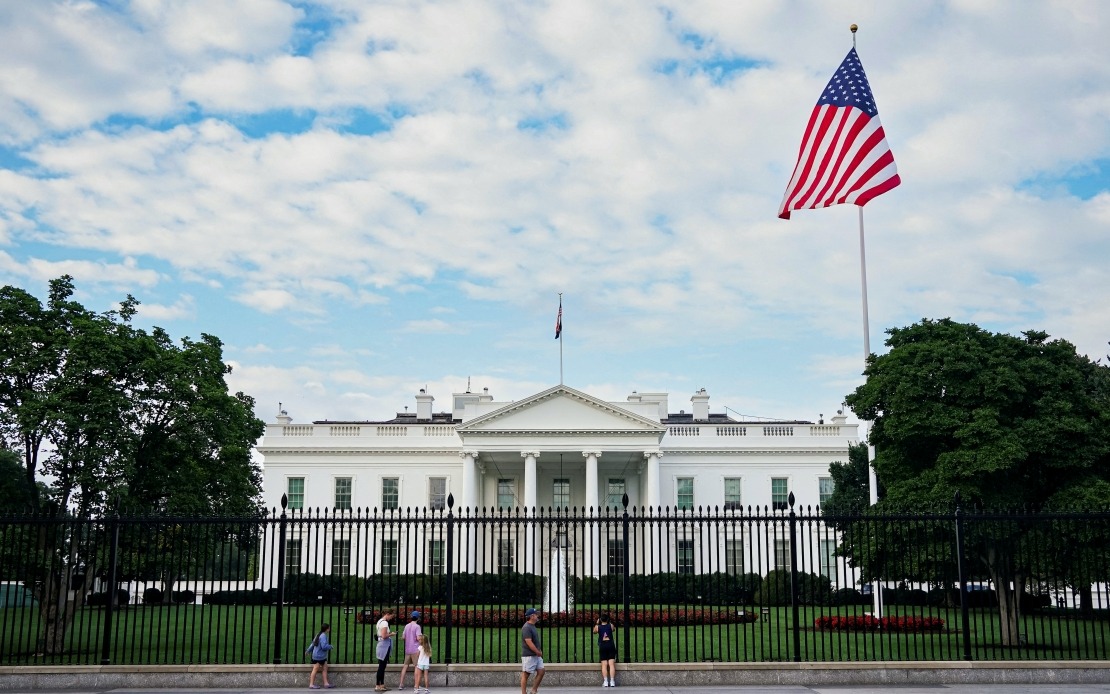
The Federal Bureau of Investigation announced Tuesday that it had prevented alleged coordinated attacks aimed at disrupting an Ultimate Fighting Championship event held at the White House on Sunday, which celebrated President Donald Trump's 80th birthday alongside the United States' 250th anniversary. FBI Director Kash Patel disclosed the foiled plot on social media, indicating that authorities and law enforcement partners became aware of the threat on June 10, several days before the high-profile event took place.
The alleged scheme represented a disturbing escalation in threat sophistication. According to officials briefing Fox News, the plan reportedly involved deploying explosive-laden drones to strike buildings positioned near the UFC venue, an initial action designed to trigger widespread panic and force mass evacuation of spectators. Once crowds were displaced and moving in predictable patterns, a pre-positioned sniper team was allegedly positioned to target attendees during the confusion. This multi-layered approach suggests coordinated planning among individuals operating across geographic distances, with the National Capital Region authorities identifying conspirators based outside the Washington, D.C. metropolitan area.
The investigation has led to substantial law enforcement action. As of Monday, five individuals remained in custody facing charges related to the alleged plot. However, the scope of the suspected network extends far beyond those arrests. Investigators have identified approximately 23 people as part of a broader potential conspiracy, raising concerns about the depth and organization of the threat. Officials indicated that a second phase of the alleged attack was planned, involving individuals attempting to breach the White House gates themselves, suggesting this was conceived as a multi-pronged operation rather than a single-point attack.
The unprecedented nature of hosting a cage-fighting spectacle on the South Lawn of the White House had already generated controversy even before security threats emerged. Two Virginia residents mounted a legal challenge, arguing the event violated proper procedures and lacked appropriate authority. However, a federal judge in the US District Court for the District of Columbia rejected the motion to block the event on Friday, clearing the way for preparations to proceed. Despite these legal challenges and the subsequent security threat, the event proceeded as planned with approximately 4,000 spectators in attendance.
This foiled plot reflects a troubling broader pattern of escalating political violence across the United States. The security landscape has deteriorated significantly in recent years, with multiple high-profile incidents demonstrating the range of threats facing government officials and public venues. Just two months prior, in April, a heavily armed man carrying guns and knives managed to penetrate a security checkpoint at the White House Correspondents' Dinner, an incident that resulted in federal charges including attempted assassination of the president. That breach raised serious questions about perimeter security protocols and the vulnerability of high-profile events.
The sophisticated nature of the alleged UFC event plot distinguishes it from reactive security breaches. The planning involved drone deployment, coordinated sniper positioning, and a subsequent ground assault component, suggesting tactical knowledge and resources. This complexity indicates potential coordination among individuals with varied skill sets, from drone operators to those with knowledge of security patterns and crowd dynamics. The fact that 23 individuals have been identified suggests either a sprawling network with multiple cells or investigators' efforts to map all potential connections and information sharers among the suspected conspirators.
For Southeast Asian observers and security professionals, this incident offers important lessons regarding event security at sensitive locations and the evolving threat landscape. The use of commercial drone technology as a potential weapon represents a concerning security vulnerability that many nations, including Malaysia, continue to address through regulatory frameworks and detection technologies. The coordinated nature of the alleged plot—combining aerial and ground assault components with psychological elements designed to create panic—demonstrates the kind of sophisticated threat planning that governments across the region must prepare to counter.
The implications for similar high-profile gatherings extend beyond American borders. International security experts monitoring regional developments note that demonstration of such coordinated attack planning, even when unsuccessful, provides operational templates that extremist or radical groups elsewhere may attempt to adapt. Malaysia's own experience with security threats, including those related to international terrorism and political extremism, underscores the importance of proactive intelligence gathering and international cooperation in identifying and preventing such plots before they reach execution stages.
The FBI's successful intelligence gathering and disruption of this alleged plot demonstrates the value of early threat detection and rapid inter-agency coordination. The June 10 identification of the threat provided a five-day window to execute arrests and disable the operational plan before the event occurred. This timeline underscores the critical importance of information sharing among law enforcement agencies and the need for robust intelligence infrastructure capable of identifying suspicious activity and connecting disparate pieces of information into coherent threat assessments.
Moving forward, the arrested individuals will face a complex judicial process. Charges related to attempted assassination, conspiracy, and weapons violations typically carry severe penalties under US federal law. The involvement of 23 identified individuals in the broader network may result in additional investigations and charges as authorities build comprehensive cases and determine individual roles within the alleged conspiracy. The outcomes of these prosecutions will likely establish important legal precedents regarding coordinated domestic threats and conspiracy law application.
For Malaysian readers and security professionals, this incident reinforces the reality that modern threats require comprehensive, multi-layered security responses. The attempted use of drone technology, coupled with traditional weapons and sniper tactics, exemplifies how adversaries combine conventional and emerging technologies. As Malaysia continues developing its own domestic security frameworks and participates in regional security cooperation initiatives, the lessons from this foiled plot—concerning threat identification, inter-agency coordination, and prevention strategies—deserve serious study and integration into national security planning.
%22%2F%3E%3C%2Fpattern%3E%3C%2Fdefs%3E%3Crect%20width%3D%22100%25%22%20height%3D%22100%25%22%20fill%3D%22url(%23phsfqfg)%22%2F%3E%3Crect%20width%3D%22100%25%22%20height%3D%22100%25%22%20fill%3D%22url(%23phsfqfp)%22%2F%3E%3Ctext%20x%3D%2250%25%22%20y%3D%2250%25%22%20text-anchor%3D%22middle%22%20dominant-baseline%3D%22central%22%20fill%3D%22rgba(255%2C255%2C255%2C0.95)%22%20font-family%3D%22Georgia%2C%20'Times%20New%20Roman'%2C%20serif%22%20font-weight%3D%22700%22%20font-size%3D%22194%22%20letter-spacing%3D%22-0.02em%22%3EINSIGHT%3C%2Ftext%3E%3C%2Fsvg%3E)
%22%2F%3E%3C%2Fpattern%3E%3C%2Fdefs%3E%3Crect%20width%3D%22100%25%22%20height%3D%22100%25%22%20fill%3D%22url(%23ph39uxag)%22%2F%3E%3Crect%20width%3D%22100%25%22%20height%3D%22100%25%22%20fill%3D%22url(%23ph39uxap)%22%2F%3E%3Ctext%20x%3D%2250%25%22%20y%3D%2250%25%22%20text-anchor%3D%22middle%22%20dominant-baseline%3D%22central%22%20fill%3D%22rgba(255%2C255%2C255%2C0.95)%22%20font-family%3D%22Georgia%2C%20'Times%20New%20Roman'%2C%20serif%22%20font-weight%3D%22700%22%20font-size%3D%22136%22%20letter-spacing%3D%22-0.02em%22%3EArchitect%E2%80%A6%3C%2Ftext%3E%3C%2Fsvg%3E)
%22%2F%3E%3C%2Fpattern%3E%3C%2Fdefs%3E%3Crect%20width%3D%22100%25%22%20height%3D%22100%25%22%20fill%3D%22url(%23ph2xyy5g)%22%2F%3E%3Crect%20width%3D%22100%25%22%20height%3D%22100%25%22%20fill%3D%22url(%23ph2xyy5p)%22%2F%3E%3Ctext%20x%3D%2250%25%22%20y%3D%2250%25%22%20text-anchor%3D%22middle%22%20dominant-baseline%3D%22central%22%20fill%3D%22rgba(255%2C255%2C255%2C0.95)%22%20font-family%3D%22Georgia%2C%20'Times%20New%20Roman'%2C%20serif%22%20font-weight%3D%22700%22%20font-size%3D%22226%22%20letter-spacing%3D%22-0.02em%22%3EShared%3C%2Ftext%3E%3C%2Fsvg%3E)