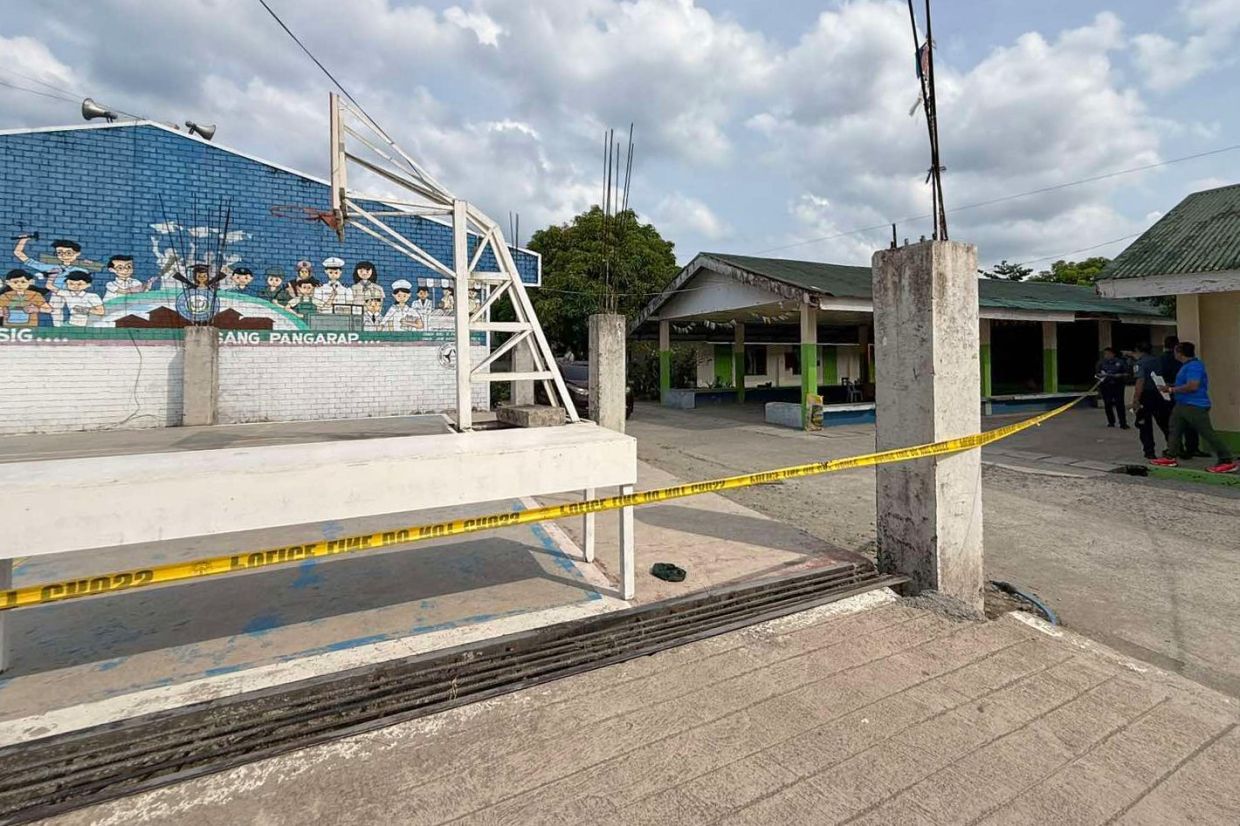
A 14-year-old student in the Philippines has been detained by authorities following the discovery of threatening messages posted on social media targeting Tolosa National High School on Leyte island. The announcement came from Interior Secretary Jonvic Remulla during a briefing at Camp Crame on Thursday, June 25, after operatives from the Philippine National Police Criminal Investigation and Detection Group received a tip from Senator Bam Aquino regarding the female Grade 10 student's posts from the previous evening.
The troubling messages discovered by investigators contained explicit threats of violence directed at students and staff at the Tolosa school, with the author claiming they would carry out an attack against the institution. In the post, the teenager warned fellow students to "prepare yourselves, especially to you, as you owe me. Get ready. I will disrupt the school." The threat escalated further with language suggesting indiscriminate violence: "Be prepared for whoever gets shot or stabbed. We don't care. Good luck to you at Tolosa National High School." Such language mirrors patterns seen in school threat cases globally and carries particular weight in the Philippine context given the recent tragedy in Tacloban City.
The timing of this incident is significant, occurring just days after the San Jose National High School shooting in Tacloban City that claimed three student lives and wounded at least twenty others. Two students, aged 14 and 15, were identified as responsible for that attack, an incident that has sent shockwaves through Philippine educational institutions and prompted urgent discussions about youth violence and school safety. The proximity of these events has raised concerns about potential contagion effects, where one violent incident may inspire copycat threats or actions from other troubled individuals.
Police investigation revealed that the Tolosa student had allegedly created multiple Facebook accounts to distribute the threatening messages more widely, demonstrating a calculated effort to amplify the threat across the social media platform. Authorities identified the minor through social media analysis and corroborating information from concerned individuals who reported the posts. However, when authorities moved to take action, they discovered that the accounts and associated posts had been deleted, suggesting the student may have recognised the seriousness of her actions or anticipated law enforcement involvement.
The handling of the case was complicated by the Philippines' Juvenile Justice and Welfare Act (Republic Act No. 9344), which provides legal protections for minors under criminal investigation. Since the student could not be formally charged under this framework, the Philippine National Police transferred custody to the Department of Social Welfare and Development, which subsequently released her to her parents. This outcome reflects the challenges facing Philippine law enforcement in balancing public safety concerns with the legal status and rights of juvenile offenders.
Cooperating with authorities proved difficult throughout the investigation. Remulla noted that the student exhibited hesitation and an unwillingness to provide full cooperation, a response likely driven by fear of the consequences she might face. More significantly, when police approached the girl's parents at Tolosa Municipal Police Station to gather information about the incident, they refused to engage with investigators or provide details about their daughter's behaviour or circumstances that may have motivated the threats. This parental resistance can complicate efforts to understand the full context of such incidents and identify whether additional risks exist.
Investigators concluded that personal and family issues may have provided motivation for the threatening posts, suggesting this was not an instance of random or purely copycat violence but rather a specific individual expressing distress through violent language. Following engagement with the family after initial contact, authorities assessed that the threat had been "neutralised and inactive," indicating no ongoing danger. Critically, investigators found no evidence that the student was part of any organised plan with other individuals or that she and her family had access to actual weapons, distinguishing this case from the Tacloban shooting where actual firearms were obtained and used.
A notable connection emerged between this incident and the Tacloban shooting: both the Tolosa student and the two teenagers responsible for the San Jose National High School attack were identified as avid players of GoreBox, a violent video game known for its graphic content. The revelation prompted the Cybercrime Investigation and Coordinating Centre to temporarily ban the game following the Tacloban shooting, raising questions about the relationship between violent digital media consumption and real-world threats among Filipino youth. While the connection remains correlational rather than proven causal, the pattern has prompted authorities to examine how digital entertainment may influence vulnerable young people.
The incident underscores emerging security challenges facing Philippine schools in an era of widespread social media access and digital communication among teenagers. The ability of a single student to reach potentially hundreds or thousands of peers through multiple social media accounts creates unprecedented opportunities for threat dissemination, while also complicating the detection and response mechanisms that schools and law enforcement must employ. Educational institutions across the Philippines are now grappling with how to balance freedom of expression and privacy rights against the need to identify and respond to credible threats before they materialise into actual violence.
For Malaysian observers, these developments carry particular relevance given similar digital connectivity patterns and social media usage among Southeast Asian youth, combined with comparable challenges in juvenile justice frameworks across the region. The case demonstrates how quickly threats can spread through social networks and the complexity of investigating and responding to such incidents within legal frameworks designed to protect minors. It also illustrates the importance of coordinated responses involving law enforcement, educational institutions, families, and social welfare agencies when addressing youth expressions of violence, whether through direct threats or concerning digital behaviour.

