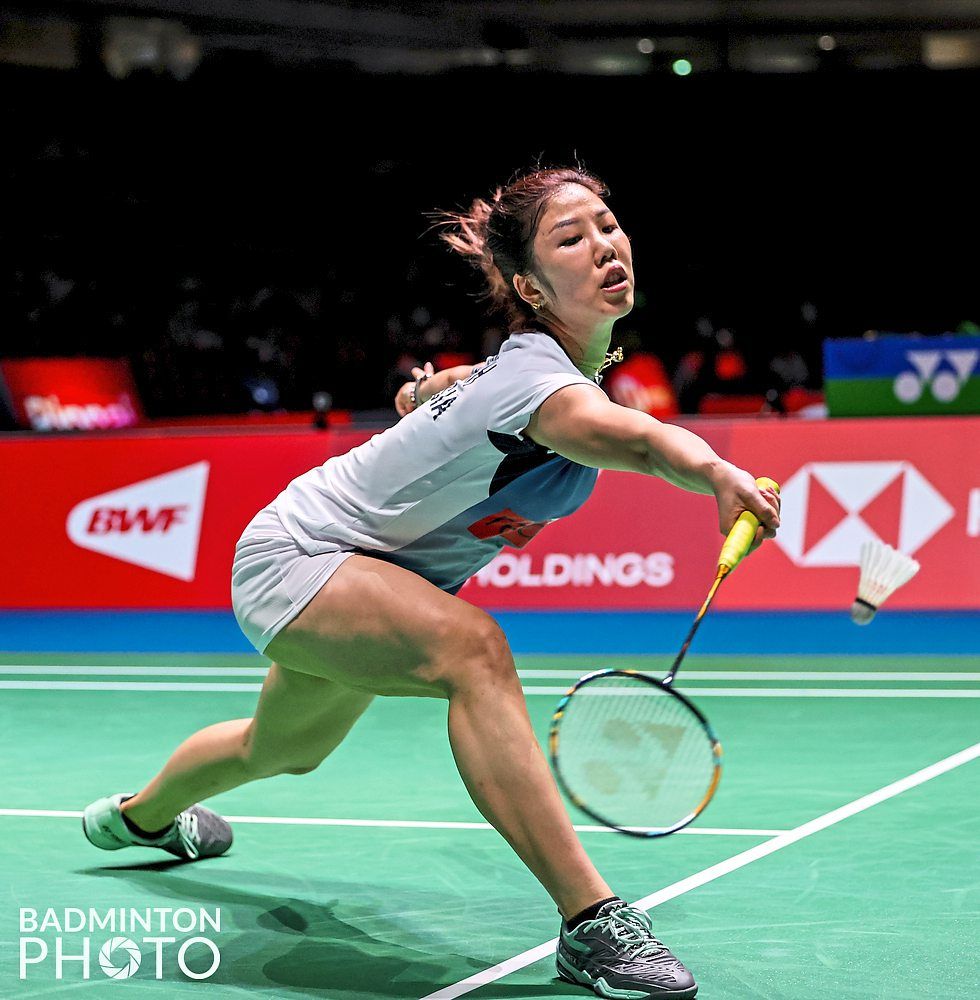
Soniia Cheah, Malaysia's former women's singles badminton representative at the Tokyo Olympics, has ended her tenure as sports director of the Kuala Lumpur Badminton Association (KLBA) effective immediately, stepping away from the position just four months after her appointment in February. The 33-year-old's departure marks a premature conclusion to what was initially a one-year contract, bringing her brief stint in a developmental role within the association to an abrupt close.
While the retired shuttler refrained from providing extensive detail regarding the circumstances of her departure, she acknowledged that resigning was a difficult decision that required careful deliberation before finalising her choice. Her statement suggested that the decision was not made impulsively but rather resulted from mounting concerns that had accumulated during her time in the position, ultimately becoming impossible to reconcile with her professional standards.
Cheah made explicit that her resignation was driven by her inability to continue serving in the role while maintaining certain values and principles that she considers fundamental to her identity as a former elite athlete. She explained that working within an environment where specific matters conflicted with her core beliefs created an untenable situation that left her with limited options. Rather than remaining in a compromised position, she determined that stepping down was the more principled course of action, even though doing so meant abandoning the opportunity midway through her contract term.
Crucially, Cheah emphasised that her decision was not a personal attack directed at any particular individual within the KLBA's leadership or membership structure. Instead, she framed her resignation as a broader statement about systemic concerns that she felt required examination and remediation. She expressed hope that her departure might catalyse the association to undertake a thorough review of its operations, policies, or practices, potentially addressing grievances that extend beyond her individual experience and may be affecting other stakeholders within the organisation.
The former shuttler's focus remained on the welfare and development of younger players in the system, underscoring that her primary concern throughout has been ensuring that the association functions in ways that genuinely serve the interests of aspiring badminton athletes. By stepping aside, she hopes the KLBA will have an opportunity to examine what she perceives as misaligned priorities and refocus on supporting players' development rather than perpetuating problematic patterns.
Despite the brevity of her tenure, Cheah expressed genuine appreciation for the players under her supervision during her time as sports director. Her final official engagement with the Kuala Lumpur squad occurred the previous week at the Affin 100Plus Junior Elite Tour Finals held at Stadium Juara in Bukit Kiara, providing her with an opportunity to work with the developmental cohort in a competitive setting before her departure became effective.
Cheah's career trajectory has been distinguished by considerable achievement within Malaysian badminton. At her peak, she attained the status of Malaysia's top-ranked women's singles player, earning selection to represent the nation at the prestigious Tokyo Olympics, a recognition that underscores her technical prowess and competitive calibre at the international level. Her extensive experience as an elite competitor positioned her seemingly well for a transitional role supporting the next generation of athletes, making her resignation particularly noteworthy.
The athlete's retirement from competitive badminton came in 2022, culminating a career that was ultimately constrained by chronic injury. A persistent problem with her Achilles tendon had plagued her for an extended period, gradually eroding her capacity to perform at elite levels despite her evident determination to continue competing. This recurring physical setback eventually necessitated her withdrawal from the sport, marking the conclusion of her playing days.
Cheah's appointment to the KLBA position represented a natural career progression for a respected former player transitioning into administrative and developmental work within Malaysian badminton governance. Her insider perspective as someone who had navigated the elite pathway was presumed to bring valuable insight to supporting emerging talent. However, her premature departure suggests that administrative structures within the association may not align with the standards and expectations that former elite athletes like Cheah bring to institutional roles, potentially indicating broader organisational challenges within Malaysian badminton's development framework that warrant attention from stakeholders and officials.

