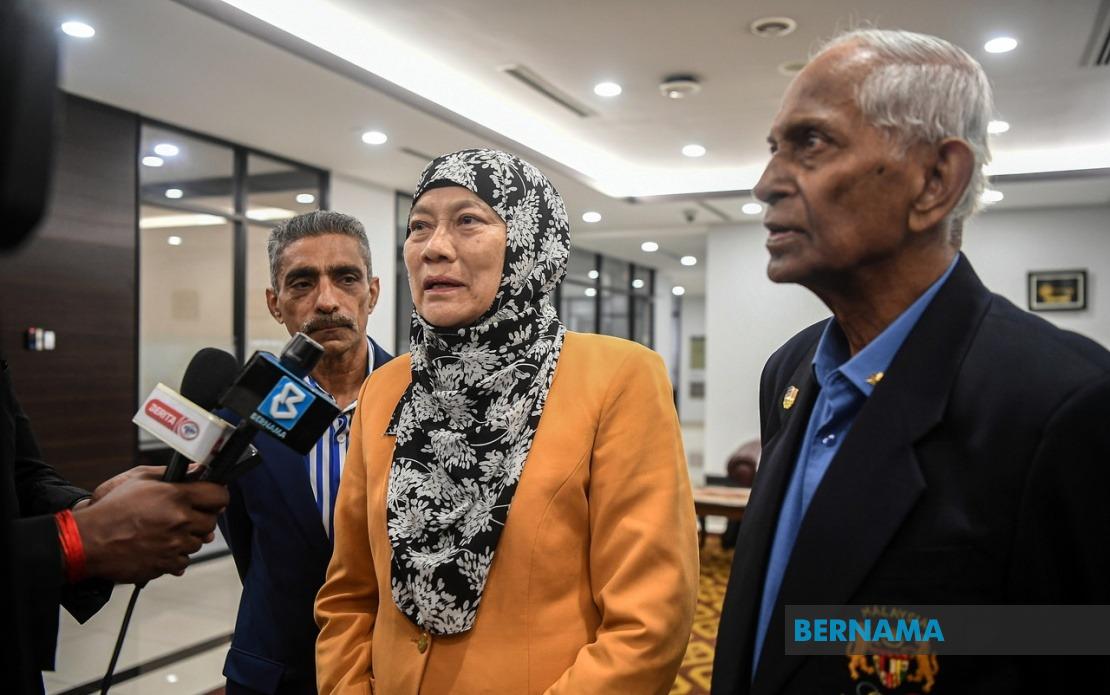
Datuk Zaiton Othman, a distinguished figure in Malaysian sports administration, has sounded an urgent alarm about the governance troubles afflicting Malaysia Athletics, cautioning the organisation that its current trajectory could invite serious international sanctions. Speaking in Parliament on June 23, the former Sports Commissioner stressed that Malaysia Athletics must urgently align its constitutional framework and operational procedures with those mandated by the World Athletics, the global governing body that oversees the sport internationally. Without swift corrective action, Zaiton warned, the federation faces the prospect of losing its international standing—a development that would reverberate across Malaysian athletics at every level.
The consequences of such disciplinary action would be severe and far-reaching. Should World Athletics suspend or revoke Malaysia Athletics' registration, the nation would be barred from hosting sanctioned athletics competitions, effectively removing track and field events from Malaysia's roster for the 2027 Southeast Asian Games scheduled to be held domestically. More immediately damaging to athletes themselves, a suspension would prohibit Malaysian competitors from participating in any international events recognised by World Athletics, effectively isolating the country's elite runners, jumpers, and field athletes from the global competitive stage. This isolation would undermine years of investment in talent development and devastate the careers of competitors training for major tournaments.
The timing of this governance crisis is particularly acute because Malaysia will serve as host nation for the 2027 SEA Games. Athletics occupies a privileged position within the SEA Games medal structure, consistently ranking alongside swimming and shooting as a sport delivering substantial medal hauls for participating nations. At recent editions, track and field events have distributed 47 gold medals, including the marquee 100-metre sprint and the 4x100-metre relay races that capture public imagination and generate significant media attention. The prospect of Malaysia staging the Games without being able to organise or field competitors in athletics would be an extraordinary embarrassment, undermining the nation's credibility as a host and diminishing the sporting spectacle that attracts regional and international audiences.
Zaiton, herself a former national athlete who earned the nickname 'Iron Woman' during her competitive heptathlon career, joined a delegation meeting Youth and Sports Minister Dr Mohammed Taufiq Johari at Parliament to raise these concerns. The group included Olympian Datuk Karu Selvaratnam and Datuk Noorul Ariffin Abdul Majeed, former chairman of the National Athletes Welfare Foundation, signalling that the anxieties are shared widely among former sporting achievers and those with institutional knowledge of Malaysian athletics. Their collective intervention reflects genuine alarm that bureaucratic and constitutional irregularities within the federation could jeopardise not just the sport's governance but the tangible opportunities available to current and future generations of athletes.
The root of the problem stems from Malaysia Athletics' constitutional arrangements, which apparently diverge from World Athletics standards in ways that trigger compliance violations. Karim Ibrahim, the federation's president, took a leave of absence from his post last month to facilitate the necessary constitutional amendments ahead of an Annual General Meeting scheduled for later in June. This development itself signals recognition within the federation that reform is overdue, though the timing—forced by international pressure rather than proactive governance—suggests the organisation was reactive rather than visionary in its approach.
Karim Ibrahim's personal history adds another layer of complexity to the governance question. In 2018, World Athletics suspended him from its competition activities, a decision the Court of Arbitration for Sport upheld on appeal. Yet despite this suspension, Karim retained eligibility to contest and serve on the Asian Athletics Federation Executive Council throughout the 2019-2023 term, a seeming inconsistency that highlights the intricate interplay between different levels of sports governance and the sometimes ambiguous boundaries of responsibility and sanction.
Zaiton's public intervention carries particular weight because it references the Sports Development Act 1997, the legislative framework governing sports associations in Malaysia. Although government cannot directly manage the internal affairs of autonomous sports bodies, the law grants the Sports Ministry and the Sports Commissioner explicit authority to enforce compliance with established regulatory frameworks and to impose corrective measures when associations deviate from required standards. This legislative mechanism provides a domestic tool for intervention even as international pressure mounts from World Athletics, creating a two-pronged accountability structure that Malaysia Athletics cannot ignore.
The broader implications for Southeast Asian athletics are substantial. Malaysia has traditionally been a competitive athletics nation within the region, and any governance disruption could diminish its athletic capability during a critical period of regional development. Neighbouring countries might exploit Malaysia's internal difficulties to consolidate their own athletic progress. The 2027 SEA Games represent not merely a sporting competition but a diplomatic and economic showcase, making the athletics programme's successful execution essential to national prestige and the event's overall success.
For Malaysian athletes currently training and competing internationally, the uncertainty is deeply unsettling. Competitors who have dedicated years to reaching elite standards face the prospect of having international opportunities curtailed through no fault of their own. Young athletes considering whether to pursue track and field careers must now factor in governance risk alongside the already substantial challenges of athletic development. The federation's internal turmoil threatens to undermine the confidence and stability that athletes require to invest the enormous physical, mental, and financial resources that elite sport demands.
The coming weeks will prove decisive. The June Annual General Meeting will determine whether Malaysia Athletics can implement constitutional reforms satisfying World Athletics requirements with sufficient speed and completeness. Success here could restore international standing and prevent sanctions. Failure would trigger a cascade of penalties affecting the 2027 SEA Games, international competition access, and Malaysia's status as a respected athletics nation. Zaiton's public warning reflects not antagonism toward Malaysia Athletics but rather urgent advocacy for the swift internal reform that alone can prevent catastrophe.

