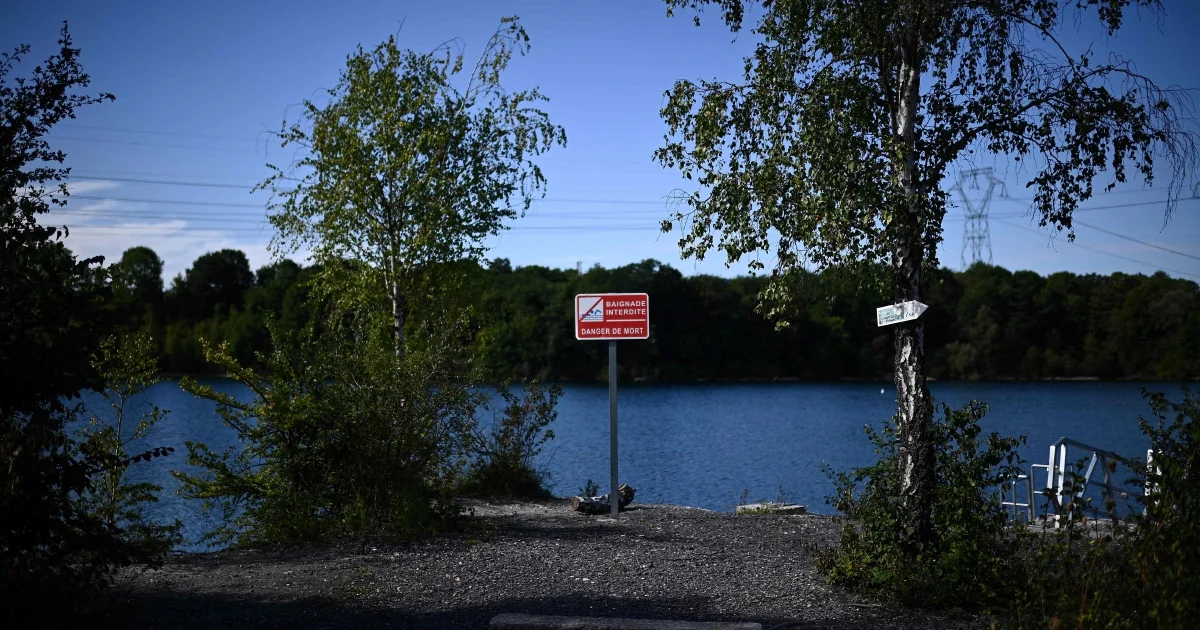
France is facing a humanitarian crisis in its waterways as forty people have drowned in recent days, driven into dangerous waters by an intense heatwave that has gripped much of Europe. The stark announcement from the French prime minister on Tuesday underscores the lethal consequences of extreme temperatures, as residents increasingly turn to lakes, rivers, and coastal areas in desperate bids to escape the oppressive heat bearing down on the continent.
The drowning deaths represent a tragic intersection of natural disaster and human behaviour during crisis conditions. As mercury climbs to dangerous levels across France and neighbouring countries, the public is ignoring safety warnings and venturing into bodies of water without adequate precautions. Many victims are inexperienced swimmers or elderly individuals whose judgment becomes impaired when facing thermal stress, creating a perfect storm of vulnerability. The sheer volume of water-related fatalities in such a compressed timeframe indicates that the scale of the heatwave has overwhelmed both public awareness campaigns and traditional emergency response systems.
This disaster carries profound implications for Southeast Asia, where monsoon seasons and extreme heat already claim preventable lives annually. Malaysia's tropical climate produces similar spikes in water-related deaths during holiday seasons and heat stress periods, particularly when people flock to beaches and rivers. The French experience demonstrates how public health infrastructure struggles to manage behaviour-driven crises during environmental extremes, a lesson increasingly relevant as climate change intensifies weather patterns across the region.
Europe's broader heatwave, stretching from France through Spain and beyond, represents one of the continent's most severe weather events in recent memory. Urban centres are recording temperatures that far exceed historical norms, forcing authorities to declare health emergencies and impose restrictions on movement and work. The prolonged duration of elevated temperatures means that cooling mechanisms—both biological and infrastructural—become exhausted, pushing vulnerable populations toward risky decisions they might avoid during ordinary circumstances.
The French government faces immediate pressure to enhance water safety messaging and increase lifeguard presence at popular swimming locations. However, public health experts acknowledge that when people are suffering from heat stress, rational risk assessment deteriorates significantly. The forty deaths represent a policy failure as much as a natural disaster, highlighting gaps between hazard awareness and actual behaviour modification in crisis scenarios. Similar patterns emerged during European heatwaves in previous decades, suggesting that even wealthy, well-resourced nations struggle with this particular challenge.
For Malaysia and the broader Southeast Asian region, the French situation offers cautionary perspective on heat-related mortality trends. While our climate is naturally warm, the intensification of heat stress through climate change means that peak temperatures increasingly exceed human physiological tolerances. Our public health systems must anticipate similar spikes in water-related fatalities, heat stroke, and other thermal injuries, particularly among elderly residents, outdoor workers, and lower-income communities with limited access to air conditioning or safe cooling facilities.
The socioeconomic dimensions of this crisis merit attention. Those most vulnerable to heat stress—the poor, the elderly, the isolated—are often those least able to access safe, supervised cooling environments or timely medical care. In France, as across Europe and Southeast Asia, heat fatalities cluster within disadvantaged populations lacking resources to relocate temporarily or obtain protective assistance. The forty deaths are therefore not merely meteorological events but reflect structural inequalities that intensify when environmental conditions become extreme.
Emergency services across Europe are now mobilizing additional resources for rescue operations and body recovery. Hospitals are treating numerous near-drowning cases and heat-related illnesses, straining medical systems already stretched by the broader health crisis of extreme temperatures. This cascading impact—where one environmental hazard creates secondary crises—demonstrates how heatwaves function as compound disasters affecting multiple systems simultaneously.
Authoritarian and institutional responses will likely intensify in coming weeks. French authorities may implement water access restrictions, increase surveillance at swimming locations, or mandate lifeguard presence during peak heat hours. These measures, while potentially life-saving, also represent losses of public freedoms and spontaneity. The question facing policymakers across Europe and Southeast Asia is whether targeted interventions can prevent drowning deaths without creating excessive restrictions on leisure and cooling access.
Looking ahead, climate scientists warn that such heatwaves will become more frequent and more intense across both Europe and tropical regions. Southeast Asia must begin implementing comprehensive heat response protocols now, before comparable crises occur. This includes not only infrastructure investment in cooling centres and public health awareness, but also fundamental rethinking of urban planning, work schedules, and social support systems to accommodate increasingly severe thermal conditions. The French tragedy serves as an urgent reminder that climate change kills not through distant catastrophes but through immediate, preventable deaths that occur when systems fail to adapt quickly enough to new environmental realities.

