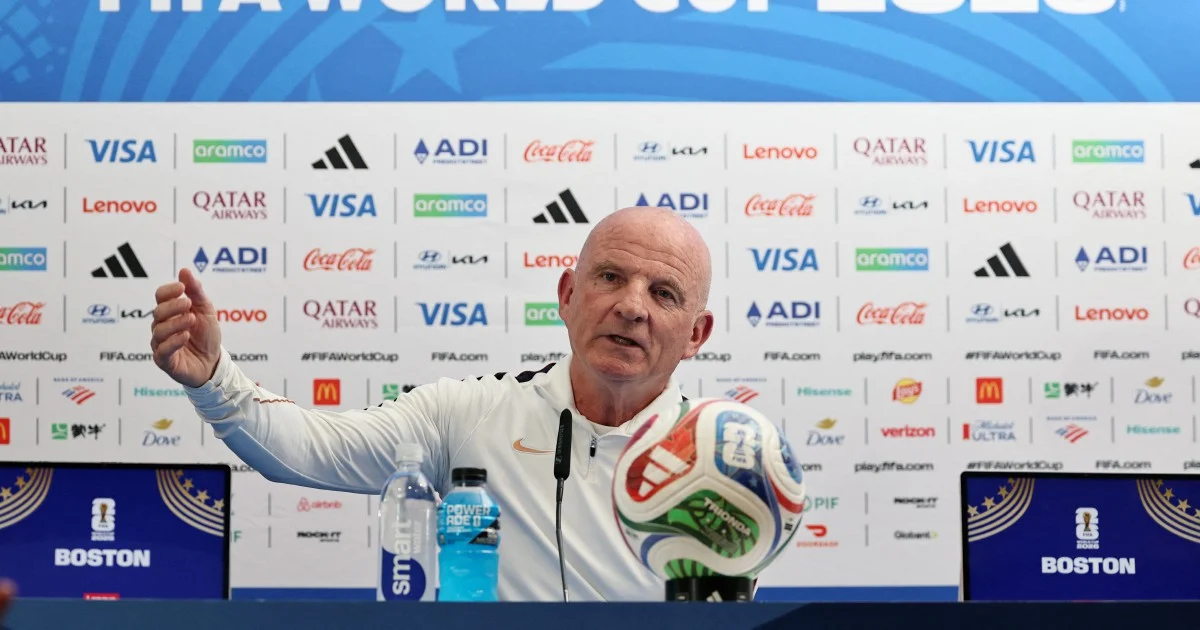
France will pursue first place in their World Cup Group I when facing Norway on Friday, with assistant coach Guy Stephan emphasizing that securing the group's summit would provide substantial logistical advantages for the tournament's remaining phases. Stephan, speaking in place of manager Didier Deschamps who has returned to France following his mother's funeral, outlined how the group's outcome carries consequences far beyond three points, fundamentally reshaping the team's movement patterns across the United States. The French delegation remains anchored in the Boston area, and maintaining that position through the quarter-final stage would represent a significant operational advantage over teams forced to conduct extended road journeys.
The mathematical situation favours the defending 2018 champions considerably. Having accumulated six points from their opening two matches, France needs merely to draw against Norway—a result they can achieve with their superior goal difference serving as an insurance policy. This comfortable position reflects the strong foundation both nations have established, each having won their initial contests and already securing knockout progression. The two teams now meet knowing they have already advanced, which typically influences tactical approaches and squad management decisions.
The implications of finishing second create a starkly different itinerary. Teams placed second in their groups face the prospect of relocating to distant American cities including Dallas, Miami, and Atlanta for subsequent matches. These venues represent significantly greater distances from Boston than matches played within the northeastern corridor, substantially increasing travel fatigue at a critical tournament juncture. Beyond mere mileage considerations, Stephan highlighted the temperature differential as a secondary but meaningful factor, with southern locations presenting considerably hotter conditions than the relatively temperate Boston environment.
For France specifically, remaining in the northeast through the quarter-finals would allow continuous acclimatization and maintenance of established routines. Sports science research consistently demonstrates that frequent relocation disrupts athlete recovery patterns, sleep cycles, and team cohesion during intensive competitions. The stability of remaining in a single base facilitates better preparation between matches and reduces the cumulative physical toll on players, particularly those managing minor injuries or fatigue markers.
The squad does face personnel challenges ahead of the Norway encounter. Central defender William Saliba will be unavailable, removing a key component from France's defensive architecture. Additionally, striker Marcus Thuram is managing calf discomfort, creating uncertainty about his availability and potential performance level. These fitness concerns arrive at a juncture where France must balance the desire to secure first place against the wisdom of protecting key players from aggravating injuries before the knockout stages commence.
Deschamps' absence represents an unusual situation, with the World Cup-winning manager necessarily prioritizing personal obligations during an emotionally significant moment. Stephan, assuming temporary responsibility, confirmed maintaining communication channels with his superior but indicated minimal direct contact would occur on Friday, the day of funeral proceedings. This arrangement nonetheless demonstrates organizational continuity, with Stephan's experience and preparation enabling the team to function effectively despite the manager's absence.
From a broader Southeast Asian perspective, France's performance holds relevance for regional football development and tournament dynamics. The French squad represents one of world football's elite operations, and observing how they navigate logistical challenges and personnel management provides instructive insights. Moreover, should France reach the tournament's final stages, their continued presence in northeastern American venues potentially creates different matchup configurations than if they were forced into the rotation of southern cities.
Norway represents formidable opposition despite the mathematical dynamics favoring France. The Scandinavian nation's strong start matches France's record, and they will approach the match with considerable confidence and proven tactical competence. The encounter promises competitive intensity despite both teams already qualifying, as professional pride and group positioning remain significant motivators even when advancement is secured.
The broader tournament context reflects how geographic distribution of venues creates substantially different logistical burdens depending on group outcomes. Unlike continental competitions where travel distances remain relatively standardized, North American tournaments introduce vast distances that genuinely impact player welfare and recovery capacity. France's determination to minimize disruption represents sophisticated tournament management, recognizing that championships are won through accumulated advantages accumulated across multiple dimensions—tactical, physical, and logistical.
Stephan's comments underscore how modern football competition extends beyond match performance into comprehensive operational management. The assistant coach articulated clearly that the team collectively prioritizes first place, understanding that this seemingly administrative consideration carries genuine consequences for their ability to maintain peak physical condition during the tournament's demanding latter stages. As France prepares for Friday's encounter, they pursue not merely victory but the strategic positioning that optimal group placement provides.

