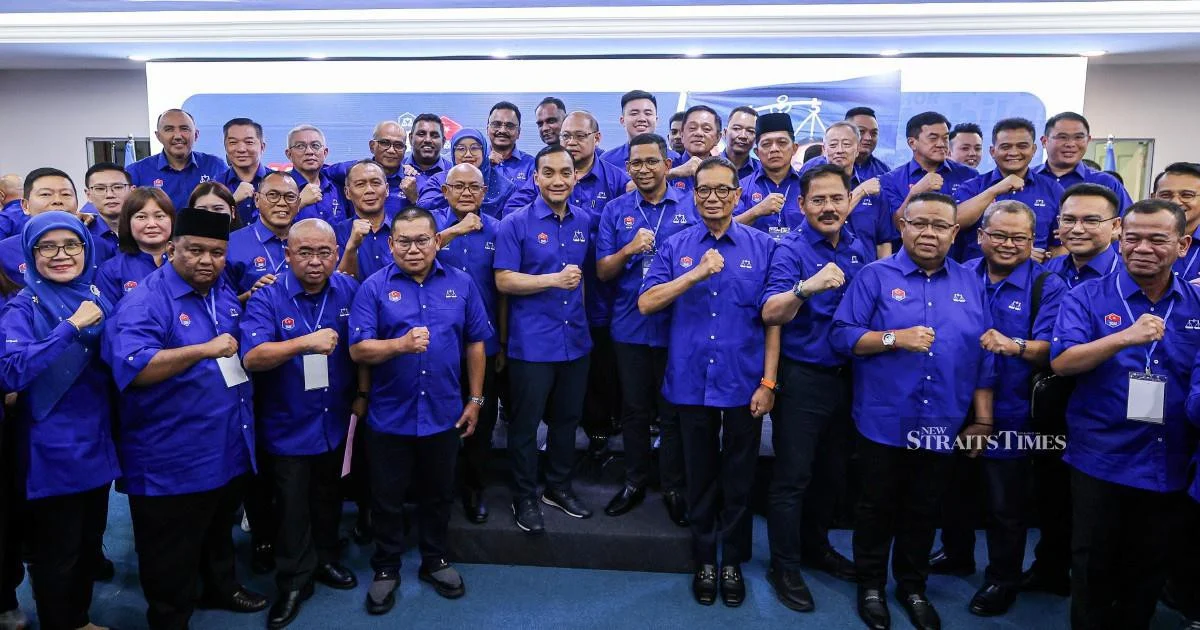
The Barisan Nasional coalition is banking on fresh political talent to reinvigorate its electoral prospects in Johor, with newly nominated candidates from the component parties signalling their commitment to a hard-fought campaign ahead of the July 11 state election. The introduction of newer faces into the coalition's lineup represents a strategic effort to reshape perceptions of the ruling alliance in the southern state, where electoral performance remains crucial to overall national political calculations. These candidates, drawn from various BN member organisations, have collectively pledged to execute intensive ground-level engagement and door-to-door outreach across their respective constituencies.
The decision to field new candidates reflects broader organisational efforts within Barisan Nasional to address voter fatigue and strengthen connections with younger demographics who may feel disconnected from traditional politics. In Johor, where the coalition has historically maintained considerable influence, the introduction of these candidates signals confidence in the party machinery's ability to coordinate a unified campaign message across multiple party structures. The July 11 election will serve as a significant barometer of whether this generational refresh can translate into electoral gains, particularly given the evolving political landscape across Malaysia.
Johor holds particular strategic importance within the national political framework, as the state's economic contributions and population make it a bellwether for broader regional political trends. Victory here could substantially strengthen Barisan Nasional's positioning ahead of potential national-level political developments. The coalition's leaders have emphasised that the new candidates have been selected based on their grassroots credentials and community engagement records, rather than purely on political pedigree or family connections. This messaging underscores an apparent acknowledgement that voters increasingly demand representatives who demonstrate tangible responsiveness to local concerns and development priorities.
The mobilisation of new campaign talent across Johor's constituencies indicates that Barisan Nasional is preparing for a competitive election rather than assuming automatic victory. Political observers note that the opposition has also been actively preparing candidates and strategies, suggesting that control of the state government cannot be taken for granted. The newer faces selected by BN component parties bring diverse professional backgrounds, ranging from business entrepreneurs to community activists, which party strategists believe will enhance their appeal across different voter segments.
The campaign period leading to July 11 will likely focus heavily on development achievements under BN governance in Johor, economic management credentials, and promises of infrastructure and social projects. New candidates have been briefed on party platforms emphasising stability, economic growth, and improved service delivery. The component parties within BN, including political organisations with significant traditional support bases in Johor, are coordinating their nominations to maximise territorial coverage and minimise direct competition within the coalition itself.
Community leaders and analysts in Johor suggest that voters are increasingly evaluating candidates on their individual merits and demonstrated commitment to constituency development rather than solely on party affiliation. This shift places pressure on all candidates, both new and established, to articulate clear visions for their respective constituencies. The newer Barisan Nasional representatives have indicated their intention to present themselves as change agents while maintaining the coalition's core policy positions and governance philosophy.
The July 11 election will determine the composition of Johor's state assembly for the coming term, with implications extending beyond the state's boundaries. A decisive BN victory would reinforce the coalition's dominance in the southern peninsula and potentially influence political calculations at the federal level. Conversely, any erosion of BN support would signal that voter preferences are shifting, regardless of candidate novelty or campaign intensity. Political strategists across the region are watching Johor closely as an indicator of broader electoral trends and voter sentiment regarding incumbent coalition performance.
The new candidates' campaign promises focus substantially on addressing cost-of-living concerns, job creation, education infrastructure improvements, and healthcare service expansion. These priorities reflect what party strategists have identified as key voter concerns following recent public consultations and feedback mechanisms. The freshness of these candidates' arrival on the political stage may provide them with credibility as reformers, though they will simultaneously need to demonstrate alignment with established BN governance approaches and proven economic management records.
As the campaign intensifies over the coming weeks, these new faces will be tested on their ability to connect authentically with constituents while articulating party positions on contentious state-level issues such as land management, environmental protection, and inter-religious harmony. The success or failure of this generational transition within Johor's Barisan Nasional structures may offer valuable lessons for the coalition's broader electoral strategy nationally. Party leaders view the July 11 election as an opportunity to demonstrate that Barisan Nasional remains capable of renewal and adaptive governance, themes that will likely dominate campaign messaging across all component parties competing under the coalition banner in Johor.

