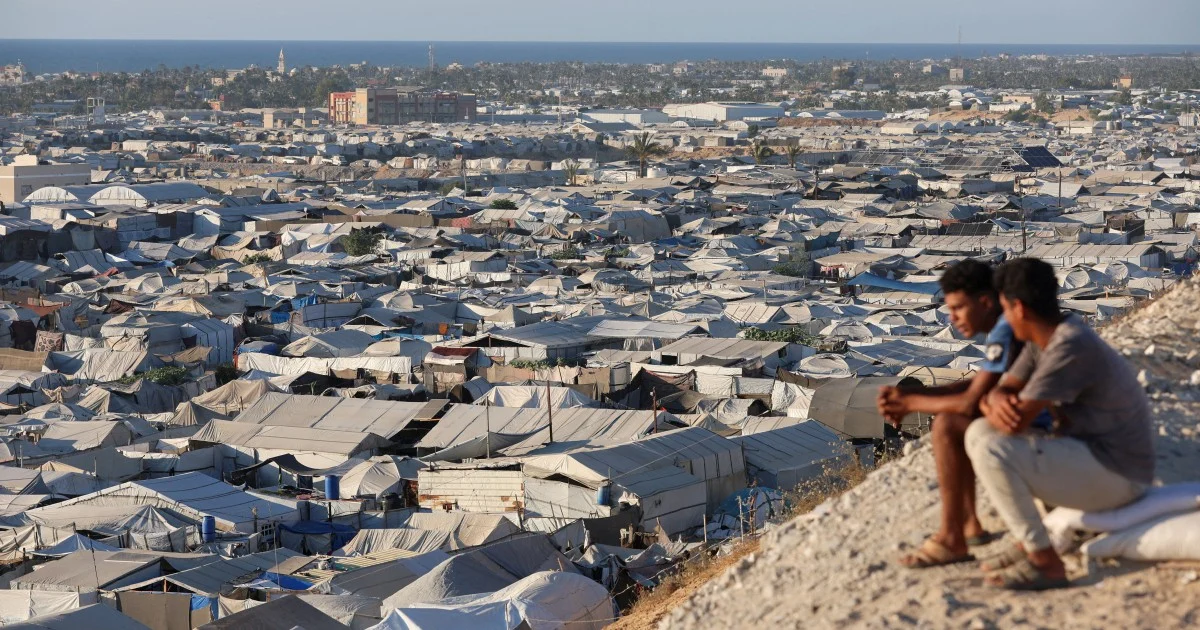
The humanitarian situation in Gaza remains far graver than the nominal ceasefire suggests, according to a stark assessment delivered by UN officials in Geneva today. Despite the formal declaration of a truce more than eight months prior, the territory continues to experience what international observers characterise as an ongoing catastrophe—one that has claimed the lives of 265 children in the period since fighting was supposedly halted. This discrepancy between the official ceasefire status and the documented reality on the ground underscores the complexity of the humanitarian crisis engulfing the Palestinian enclave.
UNICEF's characterisation of the ceasefire as a "deadly illusion" reflects frustration within the international humanitarian community over the gap between political agreements and actual conditions affecting civilians. The continued loss of child life at this scale indicates that the mechanisms in place to protect vulnerable populations remain ineffective or are being circumvented entirely. For Malaysia and other Southeast Asian nations that have maintained vocal support for Palestinian civilians, the persistence of casualties among children raises difficult questions about the practical outcomes of existing diplomatic efforts and international humanitarian law enforcement.
The timing of this UN statement carries particular weight given that eight months represents a substantial period during which one would reasonably expect stabilisation and measurable improvements in civilian safety. Instead, the data presented suggests that organised violence, structural collapse of medical and protective services, or both continue to claim young lives at alarming rates. This sustained toll challenges the legitimacy of describing the situation as peaceful, even in nominal terms, and points toward systemic failures in either implementing or monitoring compliance with ceasefire provisions.
The humanitarian infrastructure throughout Gaza has deteriorated significantly throughout the conflict, with hospitals, schools, and other essential facilities either destroyed or severely compromised. When examined alongside the ongoing child fatalities, this infrastructure collapse explains how deaths continue despite the absence of declared active hostilities. Malnutrition, preventable disease, and lack of emergency medical care become indirect mechanisms through which the conflict's lethality persists long after initial combat operations nominally conclude. The humanitarian agencies operating in the region face extraordinary obstacles in delivering even basic services, constraining their ability to prevent deaths that could be avoided in normal circumstances.
For regional observers including Malaysian policymakers, the Gaza situation exemplifies how ceasefire declarations alone provide insufficient protection for civilian populations without complementary mechanisms for reconstruction, accountability, and sustained humanitarian access. The distinction between a ceasefire and genuine peace becomes evident when examining outcomes for ordinary residents, particularly children who represent the most vulnerable demographic. The continued casualties suggest that without addressing underlying causes of violence and ensuring rapid restoration of essential services, declarations of peace remain merely symbolic gestures that fail to translate into tangible safety improvements.
The documentation of 265 child deaths in eight months suggests a pattern rather than isolated incidents—indicating either widespread security challenges that persist despite official truces, or deliberate obstruction of humanitarian efforts. The UN's willingness to characterise the situation as an "illusion" represents a rare direct challenge to the official narrative, signalling serious concern among international organisations about the narrative disconnect from ground reality. This language also reflects broader frustration with the international community's capacity to enforce compliance with humanitarian standards and protect those most in need of protection.
The role of Malaysia and other nations in the Non-Aligned Movement becomes relevant here, as these countries occupy a unique position in international diplomacy and humanitarian advocacy. The continued Gaza crisis tests the effectiveness of diplomatic pressure and humanitarian diplomacy as tools for achieving meaningful civilian protection. When international organisations like UNICEF resort to characterising situations as "illusions," it suggests that conventional diplomatic channels have proven insufficient in compelling the necessary changes to protect vulnerable populations.
Reconstructing Gaza's governance, security apparatus, and humanitarian capacity will require coordinated international effort that extends far beyond the current moment. The UN's assessment implies that merely ceasing active combat operations falls dramatically short of addressing the comprehensive needs of a population where basic services have collapsed and normalcy remains distant. For Malaysia's perspective as a nation committed to international humanitarian principles, the Gaza situation illustrates why humanitarian response must accompany and extend beyond political resolution.
Looking forward, the international community faces pressure to move beyond declarative ceasefires toward concrete measures ensuring civilian safety, humanitarian access, and accountability for breaches of protection standards. The 265 documented child deaths represent not merely statistical tragedy but evidence that current approaches have failed to translate political agreements into practical protection. This reality demands recalibration of international humanitarian strategy if future ceasefire declarations are to carry genuine meaning and achieve their stated objective of protecting vulnerable populations from ongoing harm.

