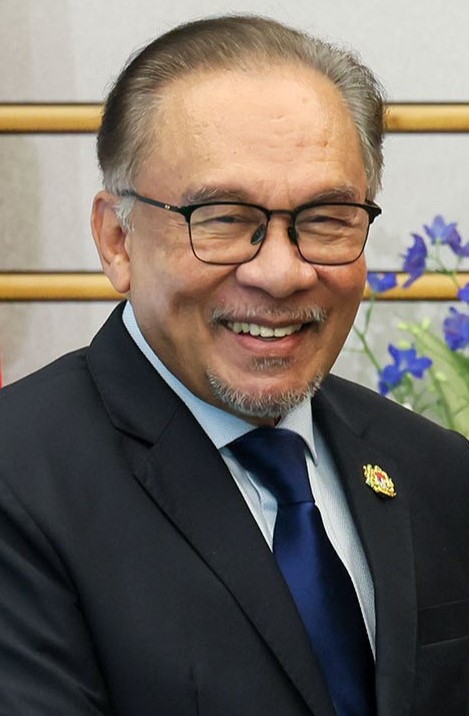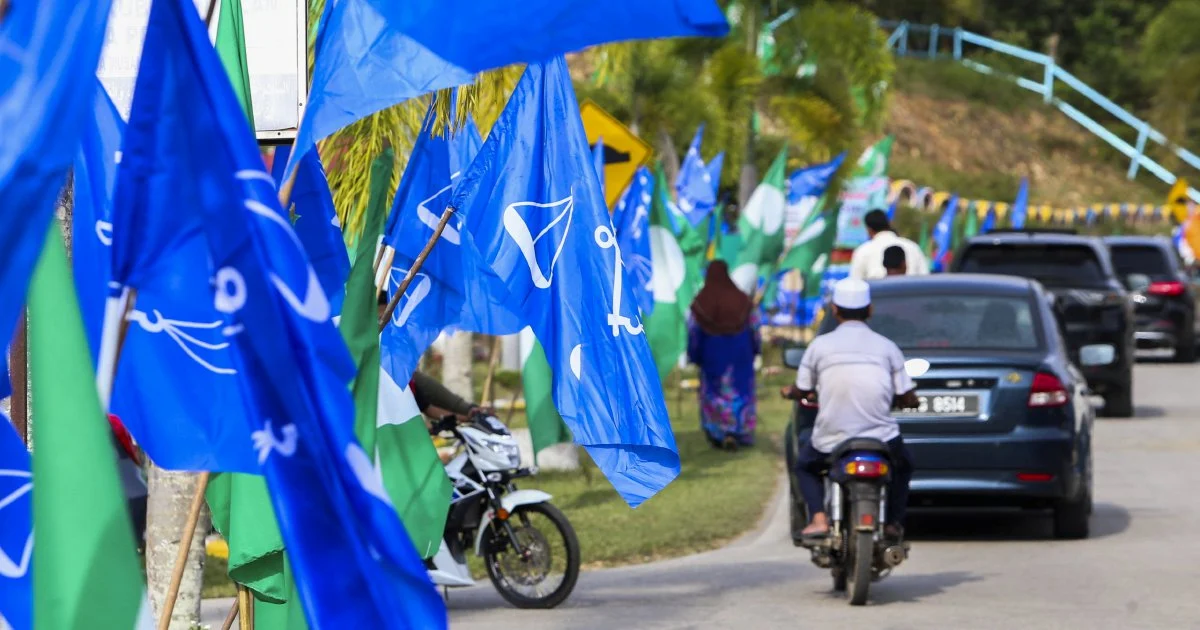
Datuk Mohd Amar Nik Abdullah, the vice-president of Parti Islam Se-Malaysia (PAS), has signalled that the 16th general election is probable to take place before the year concludes, specifically during the final quarter between late October and November. The senior party leader's projection comes as Malaysian political circles intensify speculation about the election timeline, with multiple stakeholders seeking clarity on when Prime Minister Anwar Ibrahim will dissolve Parliament to trigger the electoral process.
The timing suggested by the PAS official aligns with various constitutional and practical considerations. Under Malaysia's Federal Constitution, a general election must be called within 60 days of Parliament's dissolution. Holding polls in late October or November would allow the government to complete the electoral process and form a new administration before the year-end holiday period, which typically brings reduced administrative activity and public attention to governance matters.
For Malaysian voters and political observers, this timeline carries significant implications. A late-year election would compress the campaign period into a relatively busy time, competing with year-end festivities and preparations for the new year. The monsoon season in certain regions during this period could also affect voter turnout and campaign logistics, particularly in peninsular areas prone to flooding or rough weather conditions.
From a regional perspective, Malaysia's electoral calendar holds importance for Southeast Asian political developments. The outcome of GE16 will shape Malaysia's foreign policy direction, regional engagement, and economic partnerships across ASEAN for the subsequent term. Neighbouring governments and trading partners are likely monitoring these election projections, given Malaysia's significant role in regional affairs and its influence on regional groupings and initiatives.
The PAS perspective is noteworthy given the party's status as a major coalition partner in the current government structure. As part of the broader political alliance, PAS leadership's public commentary on election timing potentially carries weight in broader coalition discussions about optimal political conditions for electoral engagement. The party's electoral fortunes have fluctuated significantly in recent elections, making their strategic positioning relevant to understanding potential government formation scenarios post-GE16.
Internally, political parties across the Malaysian spectrum are utilising this window to consolidate support bases and prepare campaign machinery. The suggested timeline allows sufficient preparation without extended uncertainty that might unsettle investor confidence or create administrative drift. For smaller parties and independents, particularly those outside the major coalitions, the compressed timeframe presents both challenges and opportunities in mobilising limited resources for nationwide visibility.
The constitutional framework governing Malaysia's elections also factors into such timing considerations. Election Commission procedures, campaign financing regulations, and the logistics of candidate nominations across peninsular Malaysia, Sabah, and Sarawak require careful coordination. A late-year election date would need to account for nomination periods, campaign duration restrictions, and the physical organisation of polling stations nationwide, involving thousands of election officials and security personnel.
Economically, certainty about election timing benefits market stability. Investors and businesses require predictability regarding potential policy shifts and government continuity. The PAS vice-president's projection, despite being an informed estimate rather than official announcement, helps signal that electoral processes are progressing toward closure rather than remaining indefinitely suspended in political limbo.
Domestically, the election timeline influences numerous policy announcements and legislative agenda items. The current government may accelerate certain initiatives or defer others pending post-election parliamentary composition. Major legislation, budget allocations, and structural reforms often depend on clarity regarding electoral proximity, as administrations recalibrate priorities based on anticipated electoral contests.
Given Malaysia's demographic diversity and complex federal structure, general elections typically generate extensive discussion across different communities, state governments, and interest groups. The suggested October-November window would occur during a period when most Malaysians are returning to regular routines following the main school and university holiday periods, potentially facilitating voter engagement.
For political analysts, the PAS statement represents a significant indicator that major coalition members possess working assumptions about election timing, even if Prime Minister Anwar Ibrahim has not made formal announcements. Such leaks or background guidance from senior party figures typically precede official dissolution announcements, preparing public discourse for imminent electoral processes.
The pathway to GE16 will likely involve coordinated messaging from coalition leaders over coming weeks, with multiple statements from different parties gradually converging toward consensus expectations. These preliminary timelines serve to condition voter expectations and allow administrative bodies to prepare comprehensive election infrastructure.
As Malaysia approaches this anticipated electoral moment, the October-November timeframe suggested by PAS leadership provides the political ecosystem a provisional anchor point for planning, even as the precise date remains subject to Prime Minister Anwar Ibrahim's formal decision on Parliament dissolution.