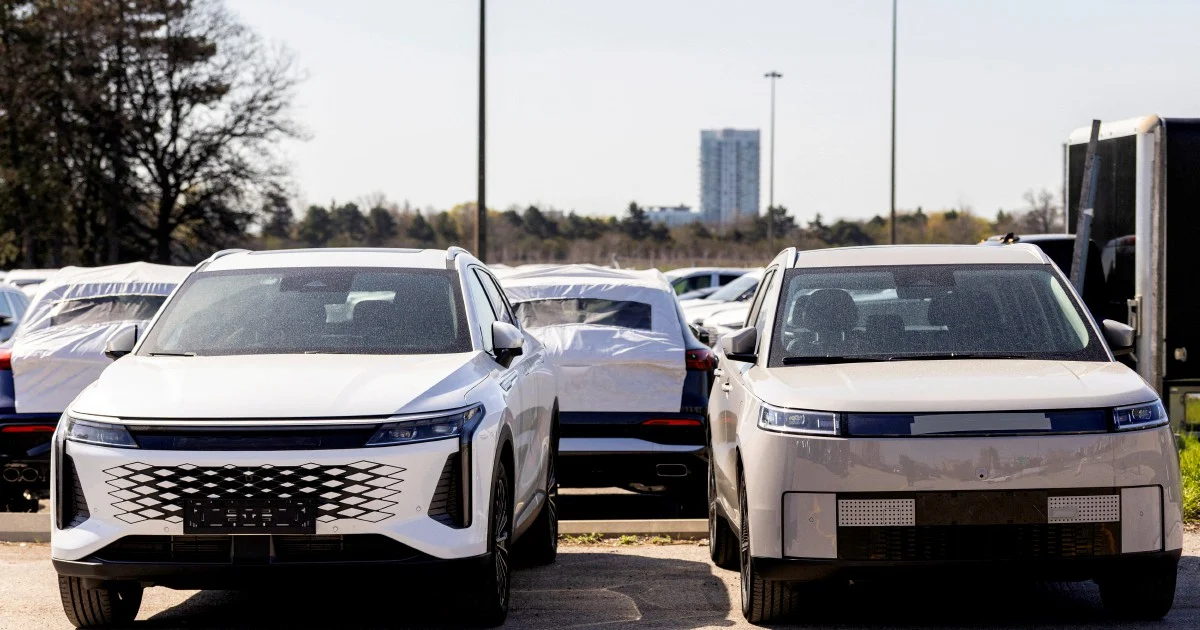
Geely Holding Group's Lotus brand is preparing to launch electric vehicle deliveries in Canada next month as part of a significant bilateral trade arrangement forged between Prime Minister Mark Carney and Chinese President Xi Jinping. China's ambassador to Canada, Wang Di, confirmed the timeline to Reuters on Friday, signalling the formal commencement of what represents a substantial expansion of Chinese automotive presence in the North American market.
The Lotus brand, which Geely acquired as part of its broader strategy to establish premium electric vehicle manufacturing capabilities, has positioned itself as a competitor in the growing EV segment. The entry into the Canadian market through this high-level diplomatic agreement underscores Beijing's interest in deepening trade relationships with Ottawa and reflects broader geopolitical efforts to secure market access for Chinese automotive manufacturers in developed economies.
The timing of this announcement carries significance for Canada's automotive sector, which has faced considerable pressure to diversify its supply chains and manufacturing partnerships. The agreement with China signals a willingness from the Carney government to engage with Beijing on trade matters, even as Canada navigates complex relationships with multiple global powers. The strategic importance of electric vehicle technology and manufacturing capacity has made automotive trade agreements increasingly central to national economic planning across North America.
Geely's decision to export Lotus vehicles to Canada specifically, rather than simply serving the Chinese domestic market, reflects confidence in both the vehicles' competitiveness and the market opportunity available in Canada. The premium positioning of the Lotus brand suggests these vehicles will target affluent Canadian consumers seeking alternatives to established European and American luxury EV manufacturers. This market segment has proven increasingly receptive to new entrants offering advanced technology and competitive pricing.
The bilateral agreement between Carney and Xi represents a formal framework that likely includes provisions addressing tariffs, regulatory compliance, and market access conditions. Such high-level diplomatic agreements typically encompass broader trade discussions beyond a single sector, suggesting that automotive exports may be part of a larger package of economic initiatives between Canada and China. The involvement of Canada's prime minister in negotiating these terms demonstrates the strategic value both nations place on expanding economic cooperation.
From a regional perspective, this development has implications for how Southeast Asian nations approach Chinese investment and trade relationships. Malaysia, as a significant automotive manufacturing hub and a country with established relationships both with China and North America, may observe how this Canadian arrangement evolves. The success or challenges encountered by Lotus in the Canadian market could influence similar investment and export strategies across the region, particularly as Chinese manufacturers seek to establish footholds in developed markets.
The July launch date provides a concrete timeline for market observers and competitors to assess Geely's operational readiness and logistical capabilities. Meeting this deadline will require coordinated efforts across manufacturing, quality assurance, shipping, and regulatory compliance divisions. Any delays or complications in this initial phase could affect future expansion plans and market confidence in Geely's ability to serve distant international markets reliably.
Canadian regulators will need to verify that Lotus vehicles meet all domestic safety and environmental standards before they can be sold to consumers. The vehicles' battery technology, charging compatibility, and performance characteristics in Canada's climate conditions will be subject to rigorous testing. These regulatory requirements represent significant hurdles that must be cleared before any commercial sales can commence, and the ambassador's timeline suggests these processes are already well advanced.
The arrival of Lotus vehicles in Canada could accelerate competition in the premium electric vehicle segment, potentially creating downward pressure on prices and encouraging faster innovation among established manufacturers. Canadian consumers would gain access to a new brand with distinct design language and technology features, expanding their choices in an increasingly crowded EV marketplace. The competitive dynamics may benefit consumers through enhanced product offerings and more aggressive pricing strategies from incumbent manufacturers.
Geely's international expansion strategy reflects the maturation of China's automotive industry and the government's commitment to supporting domestic champions in global markets. By establishing presence in developed economies like Canada, Geely builds brand recognition and gains experience navigating complex regulatory environments. These international operations generate valuable knowledge that can be transferred back to domestic manufacturing and inform future market entries elsewhere.
The broader context of this agreement includes ongoing discussions about North American automotive trade, supply chain reorganization, and the transition to electric vehicles. Canada's role as a traditional automotive manufacturing centre has evolved as companies invest in new EV production facilities and reconfigure their operations. The Lotus entry, while focused on imports rather than Canadian manufacturing, nonetheless represents the type of market transformation occurring across the continent.
Looking forward, the success of Lotus in Canada may determine whether Geely pursues additional North American expansion or establishes Canadian manufacturing facilities. If Canadian market reception proves strong, the company might consider localizing production to secure market position and address tariff considerations. Such decisions would carry employment implications for Canadian workers and foreign investment patterns for years to come.

