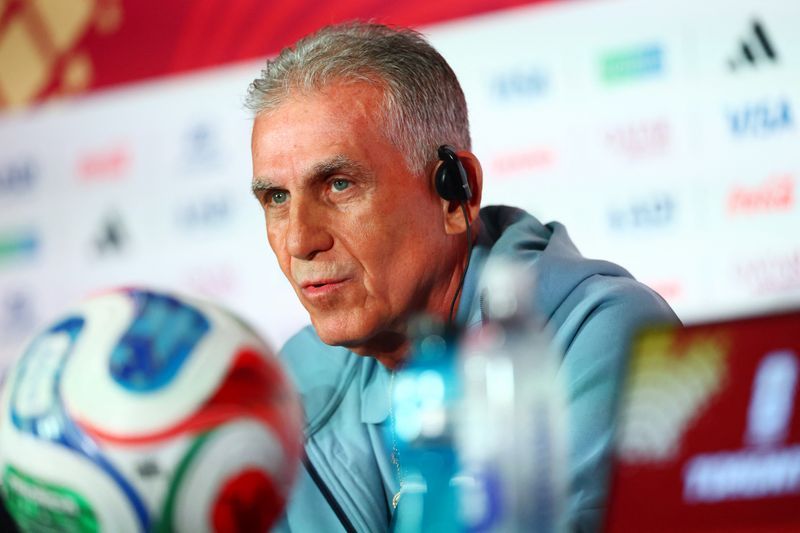
Ghana's preparations for their World Cup Group L showdown against Panama at Toronto Stadium received a vote of confidence from coach Carlos Queiroz on Tuesday, even as uncertainty persisted over the availability of midfielder Thomas Partey following Canada's initial refusal to grant him entry. A federal court hearing took place the same day to consider Ghana's appeal of the border decision, setting up a race against time before the teams face off just twenty-four hours later.
Queiroz adopted a pragmatic stance during his pre-match press conference, signalling that his tactical preparations had already accounted for multiple scenarios. Rather than dwelling on the complexities surrounding Partey's situation, the Portuguese tactician emphasised his team's readiness to execute their game plan irrespective of the midfielder's final status. This measured approach reflects both the coach's experience and his desire to maintain focus on the football itself rather than external distractions.
The 73-year-old strategist declined to elaborate extensively on Partey's legal circumstances, choosing instead to redirect the conversation toward Ghana's strengths and their opponents' vulnerabilities. Partey, who plays for Villarreal in La Liga, continues to deny allegations of rape and sexual assault in Britain, matters that have clearly complicated his ability to travel freely across borders. Queiroz's reluctance to engage further on these sensitive issues underscores the delicate position football organisations find themselves in when managing players facing serious legal allegations.
When discussing Panama as an opponent, Queiroz acknowledged the Central American side as a well-organised and experienced World Cup competitor, yet he expressed confidence that Ghana possesses the tools to exploit weaknesses in their defence. His assessment suggested a team that has studied its opposition thoroughly and identified specific tactical opportunities to pursue during the ninety minutes of play. This analytical approach, characteristic of Queiroz's managerial philosophy throughout his career, indicates preparation at multiple levels of detail.
Queiroz painted a picture of Ghanaian capabilities across several dimensions of the game. His team, he insisted, combines considerable experience with individual quality, possesses adequate pace to trouble opponents on the transition, and demonstrates technical skill in possession. The coach particularly highlighted Ghana's potential in one-on-one contests, suggesting his side would seek to turn defensive situations into attacking opportunities through direct battles with Panama's players. Such confidence, carefully calibrated rather than boisterous, speaks to a squad that respects its rival but harbours genuine belief in its own capacity.
Beyond tactical discussion, Queiroz addressed a broader controversy affecting the tournament: FIFA's mandatory hydration breaks implemented at the World Cup. The Portuguese manager, while declining to offer immediate commentary on a rule he termed potentially contentious among players and coaches, called for transparency in retrospective analysis. His critique centred on determining whether such breaks genuinely serve player welfare or whether commercial considerations held equal sway in their introduction.
Queiroz's proposal for a comprehensive integrity report once the tournament concludes reveals a coach concerned with the broader governance of international football. By requesting clear evaluation of FIFA's motives, he highlighted persistent tensions within professional sport between health protocols, competitive fairness, and commercial interests. Such scrutiny from an experienced manager carries particular weight, as it comes not from cynicism but from someone who has managed at the highest levels across multiple continents and eras.
The timing of Ghana's encounter with Panama carries additional weight for West African football ambitions at this tournament. Group L includes established teams and competitive challengers, making every point precious in the race for qualification. Ghana's experience in major tournaments, combined with their current squad composition, positions them as viable contenders, yet inconsistency has plagued their World Cup campaigns historically. Panama, meanwhile, represents both a beatable opponent and a team capable of producing disciplined performances that frustrate higher-ranked sides.
For Malaysian and Southeast Asian observers, Ghana's approach carries relevance beyond immediate World Cup implications. The way Queiroz manages uncertainty and maintains team cohesion amid external pressures offers lessons for regional footballing development. His emphasis on strategic preparation, honest assessment of opponents, and operational readiness regardless of circumstances provides a template for professional football management applicable across different contexts and competitive levels throughout Asia.

