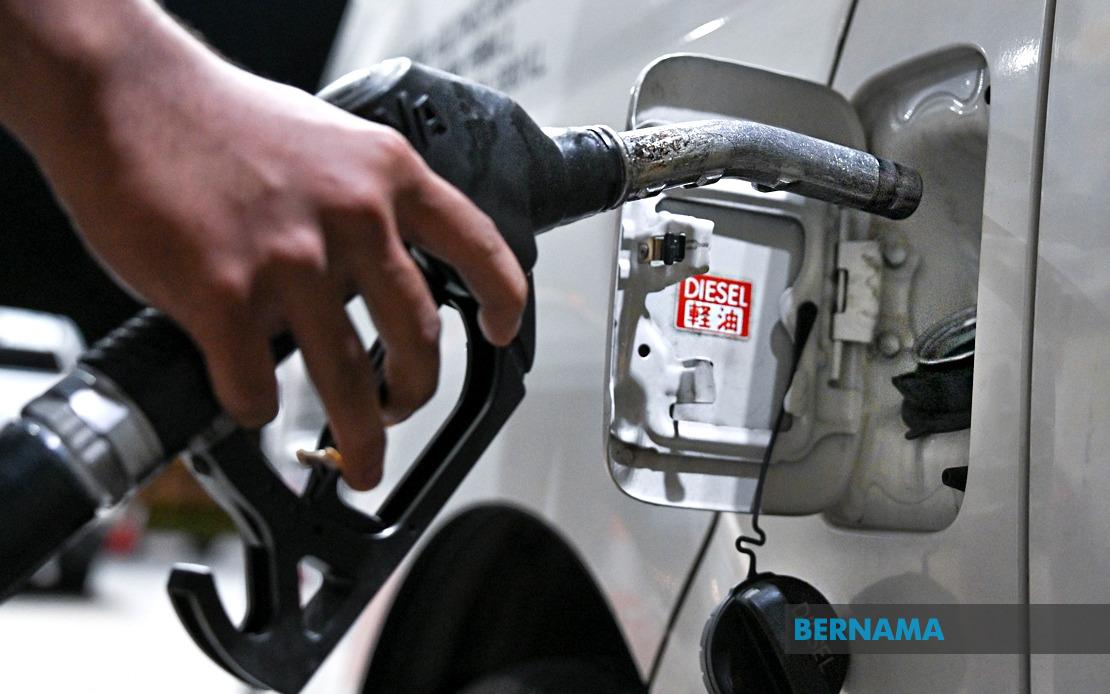
Prime Minister Datuk Seri Anwar Ibrahim unveiled a significant fuel subsidy adjustment on June 21, reducing the subsidised diesel price to RM2.10 per litre beginning July 2026. The move brings the nation's fuel subsidy framework into closer alignment with the established BUDI MADANI RON95 programme, implementing eligibility verification through MyKad identification to streamline distribution and curb subsidy leakage. Second Finance Minister Datuk Seri Amir Hamzah Azizan is expected to detail the implementation mechanics of this pricing reform.
The announcement represents a meaningful intervention in Malaysia's energy cost structure, particularly benefiting small business operators and self-employed workers who depend heavily on diesel fuel for daily operations. For many of these individuals, fuel represents a significant proportion of operating expenses, making even modest price adjustments consequential for profit margins and business viability. Night market trader Mohd Faizal Ahmad, 43, based in Shah Alam, highlighted how the reduction would translate into tangible financial relief, noting that the MyKad verification mechanism provides assurance that assistance reaches genuinely eligible users rather than being dispersed indiscriminately.
Small-scale contractors stand to gain considerably from this measure. Tan Chee Keong, 52, who operates maintenance and construction material delivery services from Johor Bahru using heavy vehicles, characterised the reform as both positive and equitable. His perspective underscores a recurring concern within the contracting sector: fuel costs consume substantial budgets, and effective subsidy mechanisms can strengthen competitiveness and operational margins. The contractor's emphasis on preventing subsidy abuse reflects broader public sentiment that government assistance should benefit legitimate users rather than creating opportunities for unauthorised profit extraction.
Agricultural and horticultural sectors will similarly experience operational cost reductions. Vegetable farmer R. Mageswaran, 38, from Sungai Siput in Perak, relies on regular van deliveries to markets and food establishments throughout his supply chain. Lower diesel costs directly diminish his transportation expenses, improving overall profitability and potentially enabling him to offer more competitive pricing to customers. Such efficiency gains across agricultural supply chains have downstream effects on food pricing and availability for Malaysian consumers.
The subsidy reform carries particular significance for East Malaysia. Currently, diesel retails at RM2.15 per litre under existing subsidies in Sabah, Sarawak, and Labuan, substantially lower than the unsubsidised Peninsular Malaysian price of RM4.37 per litre. The Ministry of Finance statement emphasises that this reform establishes nationwide pricing uniformity and mechanism consistency, resolving a longstanding disparity in fuel subsidy availability across Malaysia's regions. This standardisation strengthens equity in fuel costs across the federation and simplifies administrative oversight of subsidy programmes.
The MyKad verification approach mirrors the successful BUDI95 framework established for subsidised RON95 petrol. That programme demonstrated the viability of identity-based eligibility verification in restricting subsidies to Malaysian citizens while maintaining accessibility and reducing administrative friction. By extending this proven methodology to diesel subsidies, the government builds on demonstrated technical and operational capacity rather than introducing untested systems. The model's familiarity to petrol station operators and consumers should facilitate smoother implementation and public compliance.
Fuel subsidy policy in Malaysia operates within a constrained fiscal environment where the government balances multiple competing priorities. Direct price support requires substantial budgetary allocation, creating trade-offs with education, healthcare, and infrastructure spending. Implementing targeted subsidies through identity verification addresses this tension by concentrating limited resources on Malaysian citizens whilst reducing costs for non-citizens who may have cross-border access to unsubsidised fuel markets. This approach enables broader subsidy maintenance without unbounded fiscal expenditure.
The diesel price adjustment also reflects broader energy policy considerations affecting Malaysia's economic competitiveness and inflation dynamics. Transport costs permeate virtually all economic activity, from manufacturing to retail distribution. Moderating fuel expenses through targeted subsidies helps contain inflationary pressure in goods and services, supporting consumer purchasing power and macroeconomic stability. For export-oriented businesses, lower domestic fuel costs provide competitive advantages in global markets.
Implementation success will depend considerably on MyKad verification system functionality and adoption across Malaysia's petrol station network. The distributed nature of fuel retail, spanning thousands of outlets nationwide, creates logistical challenges in ensuring consistent application of eligibility criteria. Previous subsidy programmes have encountered difficulties with verification delays and customer frustration over authentication processes. The government's emphasis on simplicity and convenience in the verification process suggests awareness of these challenges and commitment to avoiding barriers that might undermine programme effectiveness.
Business communities have generally endorsed the reform, viewing it as rational policy balancing fiscal responsibility with economic support. The consensus across traders, contractors, and farmers reflects recognition that strategic subsidy targeting is preferable to either universal subsidies straining public finances or complete subsidy removal imposing excessive burdens on lower-income and small business sectors. This middle-ground approach appears to command cross-sector support.
The July 2026 implementation timeline provides stakeholders adequate preparation period for system adjustments and public awareness campaigns. This extended lead time allows petrol station operators to integrate MyKad verification technologies, consumers to understand eligibility requirements, and government agencies to conduct stress tests ensuring system reliability. Proactive planning in announcement and implementation phases distinguishes this reform from previous abrupt fuel policy changes that disrupted markets and generated public backlash.
Regional implications merit consideration. Other Southeast Asian nations face comparable fuel subsidy challenges, and Malaysia's targeted approach using digital identity verification may offer instructive lessons for policymakers across the region seeking to balance fiscal constraints with economic support. Thailand, Indonesia, and the Philippines all maintain diesel subsidy programmes, and Malaysia's framework could inform their reform discussions.
Longer term, this policy adjustment positions Malaysia for more sustainable energy pricing mechanisms. As global oil markets remain volatile and long-term energy transitions accelerate, flexible subsidy systems that can adjust to fiscal capacity and economic conditions will prove more resilient than rigid price controls. The shift toward identity-verified, targeted subsidies represents incremental movement toward pricing structures that reflect genuine production costs whilst maintaining equity protections for vulnerable populations and essential business sectors.

