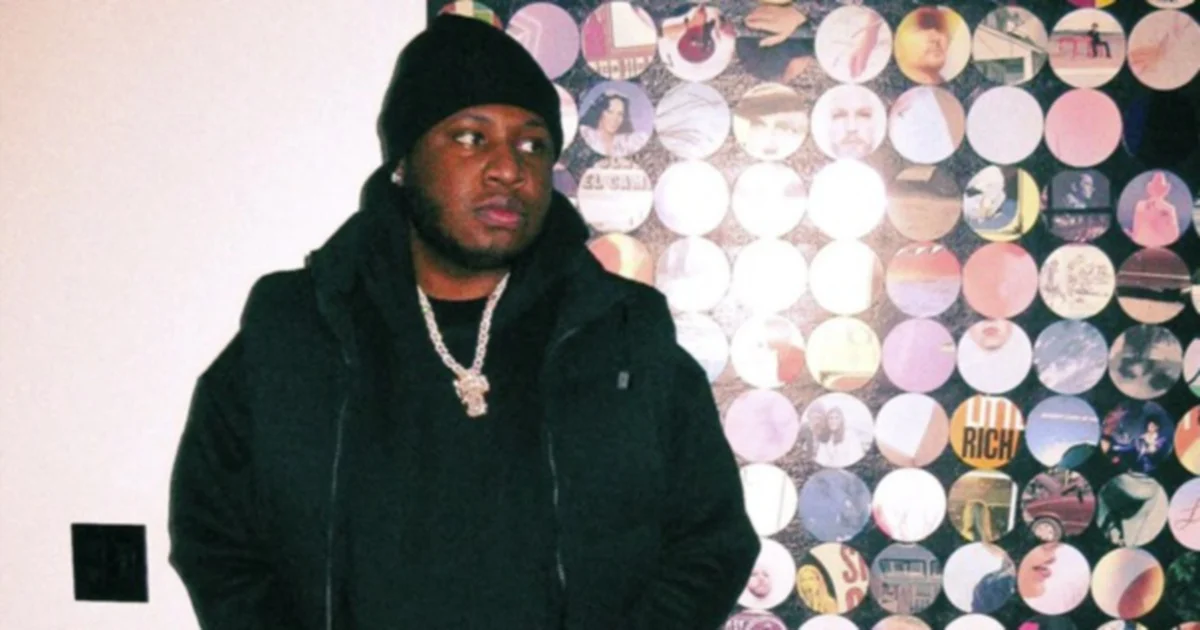
The music industry is reeling from the loss of Tay Keith, a Grammy-nominated music producer who died at 29 at his residence in Nashville, Tennessee. His death marks a significant loss for hip-hop and contemporary music production, removing from the scene a creative force whose fingerprints appeared on some of the genre's biggest commercial and critical successes over the past decade.
Tay Keith's production credentials spoke to his outsized influence within modern hip-hop circles. His collaborations extended across the most commercially dominant names in rap and R&B, including Drake, Travis Scott, Beyoncé, and Eminem. This range reflected not merely technical proficiency but an ability to adapt his sonic sensibility across different artistic voices while maintaining a recognizable production signature that combined hard-hitting beats with contemporary production flourishes.
The producer's work earned him a Grammy nomination, cementing his status as a consequential figure in modern music production rather than merely a behind-the-scenes technician. Grammy recognition in production categories typically indicates not just commercial success but artistic validation from industry peers, suggesting that Tay Keith's contributions transcended hit-making into the realm of genuinely influential creative work that shaped the sound of contemporary hip-hop.
For Southeast Asian and Malaysian audiences, Tay Keith's passing holds particular significance given the region's deep engagement with hip-hop culture and American music production trends. Malaysian artists, producers, and music enthusiasts closely follow developments within American hip-hop, with many aspiring local musicians studying production techniques pioneered by figures like Tay Keith. His work established production standards that influenced emerging artists across the region.
Tay Keith emerged during a period when hip-hop production was undergoing significant transformation. The late 2010s and early 2020s witnessed a shift toward more experimental sounds, with producers increasingly blending trap influences, drill elements, and pop sensibilities. Tay Keith positioned himself at the intersection of these movements, creating beats that appealed to both mainstream audiences and critics who valued artistic innovation.
His collaborations with Drake demonstrated his ability to craft production that complemented the Toronto rapper's distinctive delivery and emotional range. Similarly, his work with Travis Scott showed his capacity to create atmospheric, spacious productions suitable for the Houston artist's psychedelic approach to trap music. These varied collaborations underscore that Tay Keith possessed the technical versatility required to serve different artistic visions while maintaining high production standards.
The collaboration with Beyoncé represented perhaps his highest-profile validation, working with an artist whose meticulous approach to every element of her music ensures that production partners meet exacting artistic standards. Her willingness to feature Tay Keith's production work indicated that the young producer had achieved a level of mastery that transcended generational boundaries and genre categorizations.
Tay Keith's death at 29 places him within a troubling pattern affecting the music industry, where several young talented creators have died in recent years. These losses raise ongoing conversations about mental health support within the entertainment sector, the pressures accompanying success at young ages, and whether industry structures adequately protect emerging talent during rapid ascents to prominence.
The sudden nature of deaths within the music industry often leaves fans and colleagues searching for meaning and reckoning with the fragility of human life, particularly when individuals appear to have achieved significant professional success. For artists who collaborated with Tay Keith, his passing likely triggers reflection on their shared creative journeys and the circumstances that bring collaborators together.
Tay Keith's legacy will inevitably shape future discussions about production trends in hip-hop. Younger producers entering the field will encounter his work and consider how to build upon or diverge from the aesthetic directions he established. His catalog provides a blueprint for understanding what resonated within mainstream hip-hop during his most prolific period.
The loss also impacts the broader ecosystem of music production, where mentorship and knowledge transfer happen through both formal instruction and osmotic absorption of techniques and approaches used by respected practitioners. Tay Keith's absence removes a potential mentor figure from the industry landscape, affecting countless aspiring producers who might have learned directly from his experience.
In Nashville, where Tay Keith maintained his base of operations, the music community will likely organize tributes and remembrances celebrating his contributions. Nashville has increasingly established itself as a significant production hub beyond its historical country music associations, and Tay Keith represented the city's emergence as a center for modern hip-hop and R&B production work.
As the music industry processes this loss, his body of work becomes the primary means through which audiences will continue experiencing his creative vision. The tracks he produced will continue circulating, introducing his production style to new listeners while serving as a reminder of his artistic capabilities to those familiar with his collaborations. This enduring presence through recordings ensures that Tay Keith's influence persists even as the industry adjusts to his physical absence.

