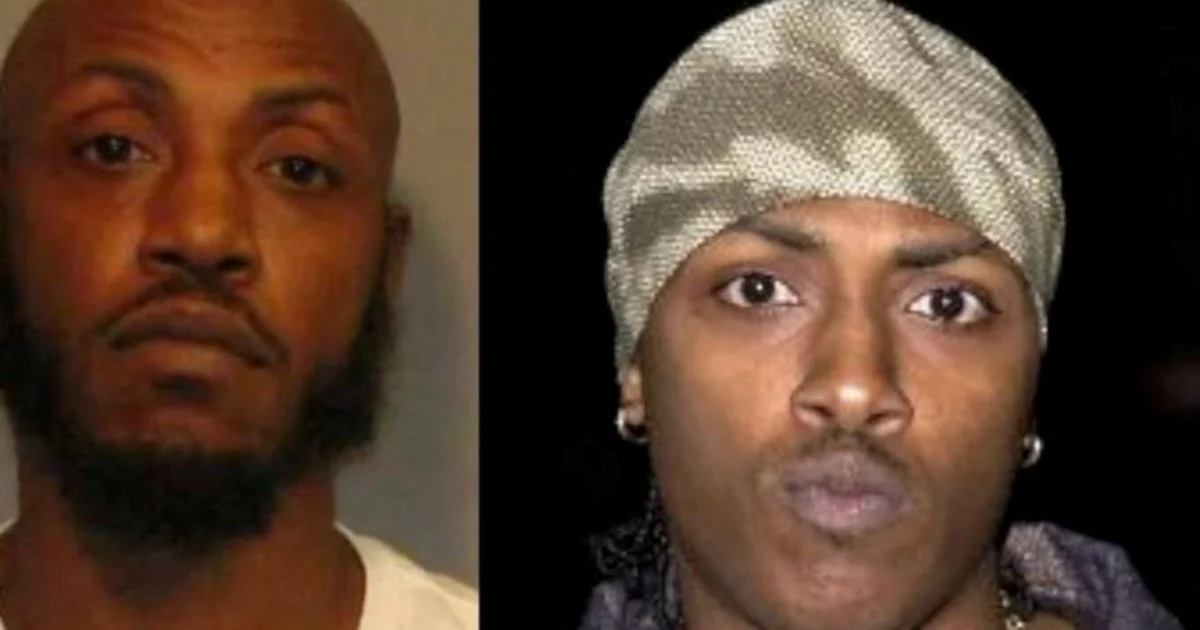
The music entertainment world faced another significant moment when Louisiana courts handed down a 20-year prison sentence to Mystikal, a Grammy-nominated American rapper, after he accepted responsibility for third-degree rape charges. The sentencing, delivered in Baton Rouge, represents the judicial conclusion to allegations that emerged when authorities arrested the artist in July 2022 on a range of serious criminal charges. The case exemplifies ongoing accountability measures within the entertainment industry, particularly regarding allegations of sexual misconduct that have gained increased scrutiny over recent years.
Mystikal's legal proceedings unfolded over several months following his 2022 arrest, during which he faced multiple charges of a serious nature. The rapper's decision to enter a guilty plea to the third-degree rape charge constituted a significant development in the case, effectively concluding the legal dispute without proceeding to trial. This approach, though uncommon among high-profile entertainers, allowed the court to deliver a swift resolution while acknowledging the gravity of the allegations. The sentence of two decades represents a substantial penalty within the American criminal justice system and underscores judicial determination to address sexual assault allegations with appropriate severity.
The implications of this conviction extend beyond the individual case, resonating throughout the hip-hop music community and the broader entertainment sector. Mystikal had achieved considerable recognition within the music industry, earning Grammy nominations for his work as a performer and artist. His high-profile status initially amplified media coverage of the arrest and subsequent legal proceedings. The conviction demonstrates that prominence in entertainment does not insulate individuals from accountability under criminal law, a principle increasingly emphasised as the #MeToo movement and related advocacy efforts have intensified scrutiny of workplace conduct across industries.
For Southeast Asian entertainment observers and Malaysian audiences with interest in international music and celebrity news, this case illustrates broader patterns within the American entertainment system. The 20-year sentence reflects comparable sentencing guidelines for serious sexual offences in comparable jurisdictions, though approaches to such crimes vary significantly across different legal systems and countries. Malaysian readers familiar with the rapper's earlier commercial success may find his significant legal consequences noteworthy, particularly given the stark contrast between his previous public prominence and his current legal situation.
The broader context surrounding this case includes the evolution of accountability mechanisms within the music industry itself. Record labels, venues, and industry organisations have increasingly implemented reporting systems and conduct policies intended to address allegations of misconduct more comprehensively than historical approaches allowed. Mystikal's conviction represents a moment when the formal legal system intervened decisively in circumstances that likely would have been handled differently in earlier decades of entertainment history.
The specific charge of third-degree rape under Louisiana law carries particular legal definitions and severity ratings within that state's criminal code. The guilty plea indicated that Mystikal and his legal representatives determined that accepting responsibility offered the most practical path forward, rather than contesting the allegations through extended litigation. This strategic decision, while avoiding the uncertainty of trial proceedings, involved full acknowledgment of criminal culpability. The resulting 20-year sentence reflects the Louisiana judiciary's assessment of appropriate punishment for this particular offense under state sentencing guidelines.
For the alleged victim or victims in this case, the legal resolution represents a form of formal justice system validation, though the emotional and personal dimensions of such cases extend far beyond courtroom proceedings. The conviction provides legal closure while acknowledging harm that occurred. Victim advocacy organisations have increasingly emphasised the importance of such formal accountability, arguing that criminal convictions offer survivors recognition and validation within institutional frameworks that historically minimised or ignored such allegations.
The entertainment industry's response to such high-profile convictions has shifted considerably. Where previous generations might have attempted rehabilitation of public image or career comeback narratives, contemporary entertainment companies and industry figures face significant pressure to distance themselves from individuals convicted of serious crimes. Streaming platforms, radio stations, and retailers have established policies regarding content distribution and promotion of artists facing legal consequences, creating practical barriers to career continuation beyond incarceration itself.
Mystikal's imprisonment signals completion of one legal chapter while potentially opening others. Prison systems in Louisiana and elsewhere house numerous inmates serving lengthy sentences for sexual assault, creating environments where issues of rehabilitation, mental health support, and eventual reintegration emerge as ongoing concerns. The rapper's 20-year sentence suggests he may not face release until middle or later age, fundamentally altering any possibility of entertainment career revival.
This case also reflects broader American legal trends regarding sexual assault prosecutions and convictions. Over recent decades, American courts have processed an increasing volume of such cases, with enhanced forensic capabilities and evolved investigative procedures supporting prosecution efforts. The guilty plea and sentencing represent successful application of these enhanced capabilities in securing justice for sexual assault allegations. Malaysian legal observers noting differences between common law jurisdictions like Malaysia and the American federal-state legal system may find the Louisiana case instructive regarding comparative approaches to serious crime prosecution and sentencing philosophies.