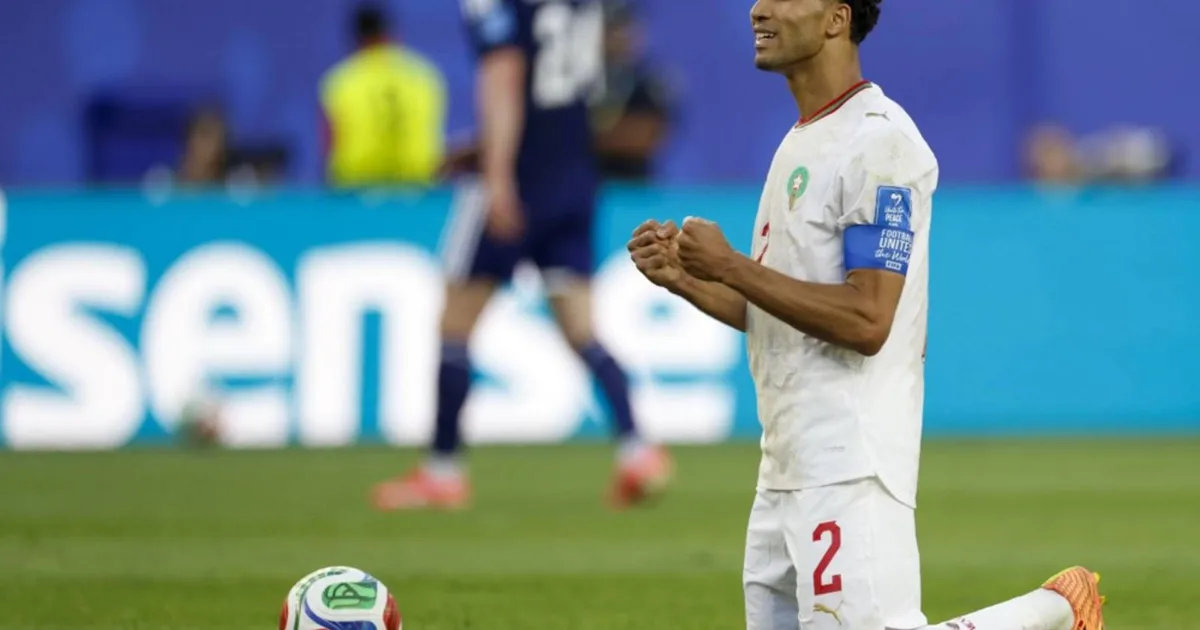
Achraf Hakimi, the Paris Saint-Germain defender and key player for Morocco's national team, is managing to remain composed amid serious legal challenges in France, his coach from the nation's World Cup campaign has indicated. The allegations stem from an incident in the Paris region during 2023 involving a 24-year-old woman, charges which the footballer has categorically rejected.
The situation underscores the mounting pressure facing elite athletes when criminal proceedings intersect with their professional careers at the highest levels of European football. Hakimi, who has established himself as one of the continent's most talented full-backs, now confronts the prospect of navigating a protracted legal process while simultaneously maintaining his performance standards for club and country. His ability to compartmentalise these competing demands will likely prove decisive in determining his immediate future in professional football.
The timing of these developments compounds the complexity of Hakimi's circumstances. World Cup-winning coaches and senior football figures often maintain close relationships with their squad members long after tournaments conclude, and Morocco's World Cup coach has positioned himself as a supportive voice during this turbulent period. His public statements suggesting Hakimi remains mentally resilient carry significance beyond mere reassurance—they represent an institutional acknowledgement from Morocco's football establishment regarding the player's standing.
For the Paris region judicial system, the case represents part of a broader pattern of high-profile athletes facing serious accusations. French courts have demonstrated consistent willingness to pursue such matters rigorously, regardless of defendants' public status or sporting prominence. This approach reflects French society's commitment to equal justice principles, though it invariably attracts international media scrutiny when elite figures are involved.
Hakimi's professional trajectory had been ascending steadily before these allegations surfaced. His performances for Paris Saint-Germain had marked him as among the continent's finest attacking full-backs, capable of influencing matches through both defensive solidity and creative contributions in the final third. For Morocco, he represented a symbol of the nation's increasing competitive sophistication within international football, a player capable of competing effectively against Europe's traditional powerhouses.
The implications for his club remain uncertain. Paris Saint-Germain, accustomed to managing high-pressure situations involving their roster, faces decisions regarding squad rotation, playing time allocation, and long-term planning that intersect uncomfortably with legal proceedings outside the club's direct control. European football clubs operating in jurisdictions with robust legal systems generally maintain formal distances from criminal cases involving their employees, though informal support structures frequently remain operative.
For Morocco's football programme, Hakimi's situation presents complications for squad planning and international competition preparation. National team coaches must balance considerations of player availability, squad morale, and the nation's global reputation when key performers face significant extrajudicial challenges. The World Cup coach's measured comments suggest Morocco's football authorities are attempting to navigate these tensions with appropriate gravity and discretion.
The case also highlights broader questions about due process and public perception in the social media age. Athletes accused of serious crimes face unprecedented scrutiny across digital platforms, where court proceedings unfold simultaneously in public discourse. Hakimi's legal team must contend not only with formal judicial processes but with the parallel court of public opinion, where evidence standards frequently differ dramatically from those required in actual courtrooms.
From a Southeast Asian perspective, the case resonates within broader discussions about athlete accountability and the globalised nature of modern football. Malaysian readers and fans throughout the region follow European competitions closely, and cases involving prominent players generate significant interest. The intersection of sports celebrity, criminal allegations, and legal systems across international boundaries illustrates how contemporary football transcends purely sporting dimensions.
Looking forward, the forthcoming legal proceedings will substantially influence Hakimi's career trajectory and public standing. Depending on outcomes, he may emerge rehabilitated within football circles or face long-term reputational damage affecting sponsorship opportunities and club prospects. His lawyer's defence strategy and the evidence presented during proceedings will prove determinative in shaping both legal verdicts and broader public assessment.
The coach's insistence on Hakimi's composure ultimately reflects a professional assessment of the player's mental resilience rather than commentary on legal substance. Maintaining psychological equilibrium while facing serious accusations represents a genuine challenge, and observers within Morocco's football establishment apparently believe Hakimi is managing this balance adequately. Whether that composure translates into successful legal outcomes remains an open question, one that will unfold within French courtrooms rather than football stadiums.

