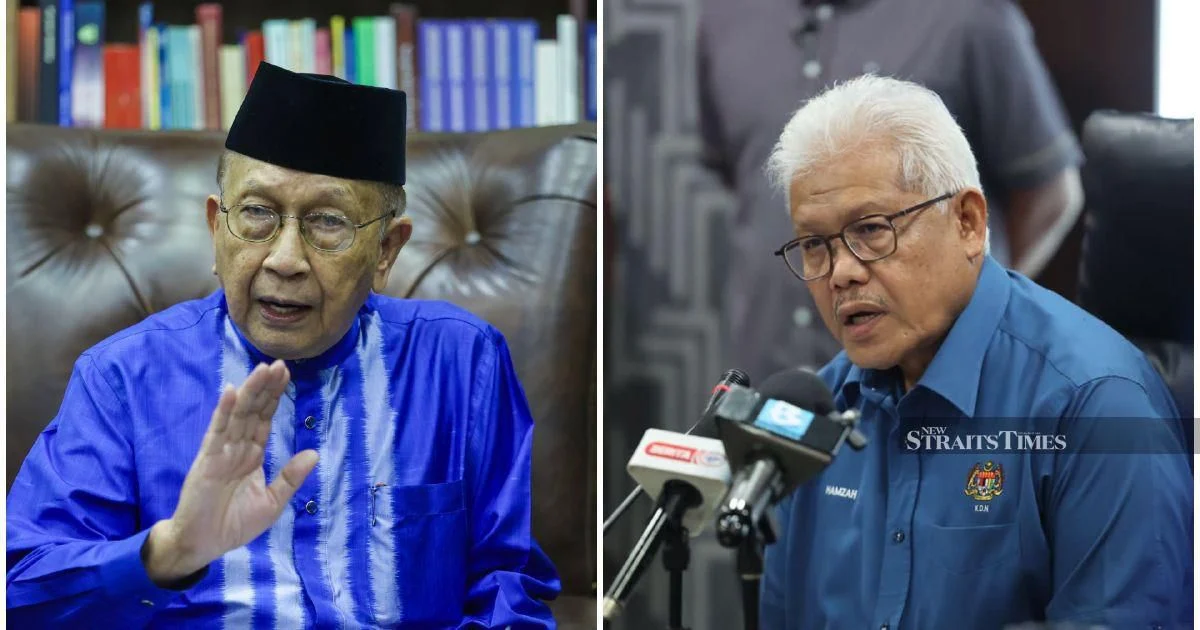
Parti Wawasan Negara has formally unveiled its comprehensive central leadership configuration, marking a significant institutional development for the political movement. The announcement establishes a leadership hierarchy that combines the considerable experience of Malaysia's seasoned political figures with professional expertise drawn from various sectors of the economy and public administration.
The appointment of Hamzah and Rais Yatim to head the party's central structure reflects Wawasan's strategy of leveraging the credentials of those who have held senior ministerial positions and parliamentary responsibilities. This composition underscores the party's positioning as a vehicle for established political figures seeking alternative outlets for their ambitions and policy influence within Malaysia's competitive party landscape.
The broader leadership configuration incorporates multiple categories of political participants. The line-up includes seasoned veterans of Malaysia's political arena, individuals who have previously served as cabinet ministers under various administrations, current and former members of parliament representing constituencies across the country, and professionals bringing specialist knowledge in fields ranging from law and business to public policy and administration.
This mixed composition reflects a deliberate organizational strategy. By combining those with deep institutional experience within government and parliament alongside specialists from outside the political establishment, Wawasan positions itself as bridging the gap between Malaysia's traditional political class and contemporary professional expertise. Such arrangements have become increasingly common among newer or reformist political entities seeking to distinguish themselves from conventional party structures.
The significance of this announcement extends beyond mere organizational formality. Leadership structures in Malaysian politics carry symbolic weight, signalling to both members and the broader public which individuals the party intends to promote as potential ministers, parliamentary performers, and party decision-makers. The elevation of figures like Hamzah and Rais Yatim suggests Wawasan's positioning within Malaysia's political spectrum and its competitive intentions.
For Malaysian voters and political observers, the announcement provides clarity regarding the party's institutional identity. Wawasan joins a landscape of political entities vying for influence and representation, competing not only for electoral support but also for the allegiance of ambitious politicians and policy professionals. The inclusion of former ministers and parliamentarians indicates the party's capacity to attract figures with proven governmental experience.
The timing and content of such leadership announcements often reflect internal party dynamics and negotiation outcomes. The balance between veteran politicians and newer professionals, the distribution of senior positions, and the representation of different geographic regions all typically emerge from complex internal discussions about party direction, resource allocation, and future strategy.
Southeast Asian political movements increasingly recognize that effective governance requires technical expertise alongside political acumen. By assembling leadership teams that bridge these domains, parties signal sophistication in their approach to governance. This pattern reflects broader regional trends toward professionalization in political party management and strategic operations.
For Malaysia's political landscape, the crystallization of Wawasan's leadership structure represents another data point in the ongoing evolution of the country's multiparty system. With federal elections not required until 2028, political parties continue adjusting their organizational structures and leadership configurations in preparation for the next major electoral cycle. Each major announcement by established or emerging parties influences the calculations of voters, activists, and potential political candidates regarding their own allegiances and strategic positioning.
The specific identities and backgrounds of appointed individuals will likely shape Wawasan's policy platforms and campaign messaging in subsequent months. Leadership teams typically reflect party priorities and strategic emphases, suggesting areas the party intends to emphasize in parliamentary debates, state-level politics, and public advocacy campaigns.
Malaysian political parties have historically used leadership announcements to demonstrate internal cohesion and purpose. By presenting a unified and comprehensive organizational structure, Wawasan signals stability to prospective members and supporters. This becomes particularly important for parties still establishing their public identity and track record.
The composition announced reflects Malaysia's contemporary political reality, where parties must appeal simultaneously to traditional constituencies and emerging demographic segments, integrate experienced political operators with younger professionals, and maintain institutional continuity while projecting renewal. Wawasan's approach mirrors these competing demands through its deliberately balanced leadership configuration.
Going forward, the effectiveness of this leadership arrangement will be tested through parliamentary performance, state-level political engagement, and the party's capacity to translate its leadership credentials into electoral and policy influence. The announcement itself marks an important organizational milestone, but the structure's real significance will emerge through its functioning in Malaysia's competitive and dynamic political arena.

