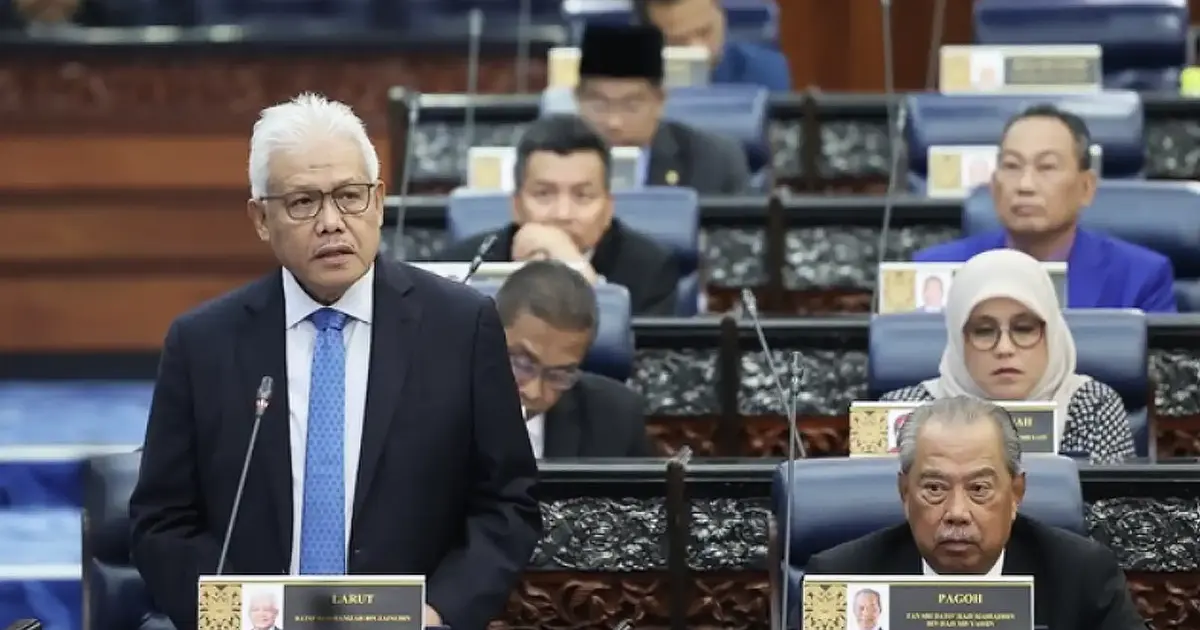
The seating arrangement in the Dewan Rakyat has shifted in ways that signal changing dynamics within Malaysia's opposition coalition, with Hamzah Zainudin reclaiming the prominent seat directly behind the Speaker that denotes the opposition leader's official position. This reassignment comes at the expense of Bersatu president Muhyiddin Yassin, who previously occupied this prestigious frontbench location alongside senior government figures and has now been moved substantially further down the row.
The repositioning represents more than a mere administrative adjustment to parliamentary logistics. Seating arrangements in the Dewan Rakyat carry symbolic weight, reflecting both formal recognition of leadership status and the relative standing of political figures within the legislative chamber. Hamzah's return to the opposition leader's traditional seat formalises his authority over the main opposition bloc, a recognition that carries procedural significance during parliamentary debates and questioning sessions. The leader of the opposition enjoys specific privileges and protocols within parliamentary procedure, including the right to lead responses and set the tone of questioning during key parliamentary moments.
Muhyiddin's demotion from the immediate proximity to the Speaker represents a notable diminishment of his visible standing in Parliament. Previously positioned at the vanguard of the opposition presence, his relocation eight seats along the front bench—a significant distance in the physically confined space of the Dewan Rakyat—places him further removed from the symbolic centre of opposition activity. This shift reflects broader realignments within the opposition coalition that have played out over recent months, with various factions consolidating or fragmenting their influence.
The Bersatu party, which Muhyiddin leads, has navigated a complex political landscape since the last general election. The party's relationship with other opposition components has been subject to negotiation and tactical positioning, with questions about coalition unity and leadership hierarchy remaining ongoing points of discussion among opposition strategists. Muhyiddin's previous prominence in the front row had marked him as a central figure in opposition proceedings, but leadership designations within Parliament must ultimately reflect the formal status accorded by the broader coalition and the Speaker's office.
For Hamzah, the reassignment consolidates his position as the principal opposition voice. As the leader of Pakatan Harapan and the opposition coalition, Hamzah chairs parliamentary committee meetings involving opposition members and coordinates the opposition's legislative strategy and questioning approach. The front-row seat placement reinforces these functional responsibilities with visual and procedural primacy, allowing him to respond immediately to government statements and lead the opposition's examination of policy and administrative matters.
The mechanics of seating arrangement in the Dewan Rakyat are typically determined in consultation with the Speaker's office and leadership of parliamentary factions. Shifts in these arrangements occasionally reflect negotiations between coalition partners regarding representation and prominence. The decision to move Muhyiddin rearward while restoring Hamzah to the opposition leader's seat suggests that coalition negotiations have produced agreement on these roles, though the underlying discussions that led to this outcome remain confidential between the parties involved.
Parliamentary traditions in Westminster-style legislatures like Malaysia's place considerable importance on physical positioning, with front-bench assignments denoting senior responsibility. Government frontbenchers opposite the Speaker typically include cabinet ministers and senior government figures, while opposition frontbenchers traditionally host the opposition leader, deputy leader, and senior spokespersons on major policy areas. This spatial hierarchy creates visual reinforcement of political authority and responsibility within the legislative chamber.
For Malaysian observers following parliamentary politics, these shifts offer indicators of coalition stability and internal negotiations. The opposition coalition's effectiveness depends partly on unified messaging and clear leadership hierarchies, which physical positioning in the Dewan Rakyat both reflects and reinforces. Hamzah's elevation to the frontbench opposition leader seat confirms expectations about his role following recent coalition developments, while Muhyiddin's repositioning suggests adjustments in how Bersatu's influence is balanced within the broader opposition framework.
The implications extend beyond theatrical positioning. The opposition leader's seat provides practical advantages during parliamentary sittings, including proximity to aides, easier coordination with other opposition frontbenchers, and enhanced visibility during recorded parliamentary television broadcasts. These factors combine to make the opposition leader's designation a meaningful practical advantage alongside its symbolic significance. Hamzah's reclamation of this position therefore represents both formal recognition and enhanced practical capacity to lead parliamentary opposition activities going forward.

