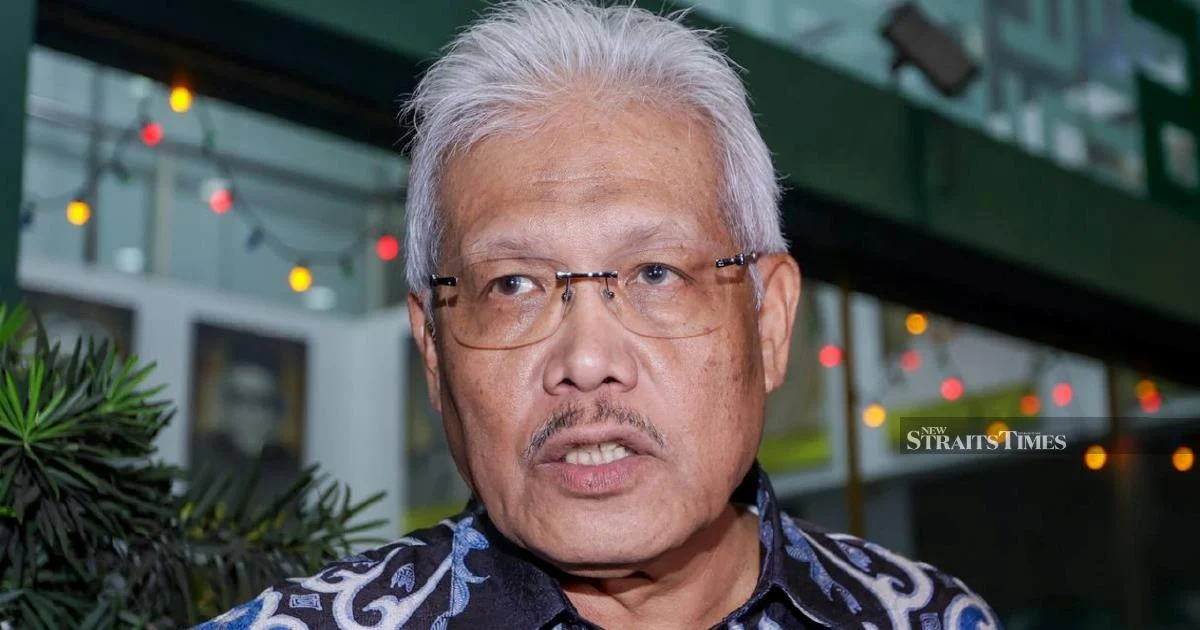
Datuk Seri Hamzah Zainudin's formal recognition as opposition leader will move closer to completion with the submission of official documentation to the Dewan Rakyat Speaker before lawmakers reconvene. The procedural step, confirmed in Kota Baru, represents the finalisation of leadership arrangements within the opposition bloc and signals a structured transition in parliamentary arrangements following recent political shifts.
The appointment carries constitutional weight in Malaysia's parliamentary system, as the opposition leader holds formal standing in the Dewan Rakyat with recognised privileges and responsibilities. The leader serves as the principal spokesperson for the opposition coalition, chairs opposition business during parliamentary proceedings, and receives additional allowances and parliamentary resources as part of the formal office. This institutional recognition distinguishes the role from mere factional leadership, embedding it within Malaysia's democratic framework.
Hamzah's elevation to this position reflects significant repositioning within the opposition landscape, particularly given his background and political trajectory. His appointment consolidates what opposition parties view as a necessary show of unity and coherent alternative governance, especially as the coalition navigates internal complexities and positions itself for potential electoral contests. The formal notification process ensures that all parliamentary procedures are followed with due diligence, preventing any legal or procedural challenges to his standing.
The timing of this announcement, made in Kota Baru, carries geographic significance as Kelantan remains a Perikatan Nasional stronghold under PAS governance. The location of this political development underscores the broader coalition dynamics and the delicate balance of interests that define contemporary opposition politics in Malaysia. Regional power bases and state-level considerations increasingly shape national opposition strategy, making such announcements meaningful beyond mere administrative procedure.
Parliamentary notification protocols require explicit documentation and official acknowledgement before opposition leaders can exercise full powers associated with their role. This ensures transparency and allows the government and parliamentary authorities to prepare appropriate arrangements for opposition business, including debate scheduling and parliamentary protocols. The submission deadline before the next sitting prevents any gaps in institutional clarity or parliamentary procedure.
The opposition bloc in Malaysia has experienced structural challenges in recent parliamentary sessions, with competing interests and periodic disagreements testing coherence. Establishing clear, formal leadership through properly documented channels helps address perceptions of disunity and provides members with identifiable direction. For ordinary Malaysians following parliamentary affairs, such formalisation offers confirmation of leadership structures that determine how their interests are articulated within legislative processes.
The next parliamentary sitting will present opportunities for Hamzah to exercise his role in addressing government policies, initiating debates, and mobilising opposition parliamentary tactics. His engagement with priority issues—whether economic management, social policy, or governance concerns—will define the effectiveness of opposition oversight during his tenure. The formal appointment therefore represents not merely administrative completion but the initiation of substantive parliamentary activity under clarified leadership.
Government-opposition dynamics in the Dewan Rakyat depend substantially on orderly procedures and recognised institutional roles. By completing the notification process before parliament reconvenes, opposition parties demonstrate commitment to constitutional propriety and parliamentary norms. This approach contrasts with more confrontational or procedurally irregular methods sometimes employed during periods of political tension, signalling preference for structured democratic engagement.
For opposition coalition members, formalised leadership offers clearer lines of accountability and decision-making authority. Deputies and supporting lawmakers understand hierarchical structures and can coordinate positions more effectively when institutional clarity exists. This organisational benefit extends to media engagement, public positioning, and long-term strategic planning across multiple political spheres beyond parliament itself.
The appointment also carries implications for Malaysia's federal governance architecture. Effective opposition oversight strengthens institutional checks and balances, compelling government to justify policies, respond to questioning, and defend decisions more rigorously. The formal recognition of opposition leadership therefore serves broader democratic interests beyond partisan advantage, contributing to more robust parliamentary scrutiny of executive power.
As Malaysia navigates ongoing political transitions and prepares for electoral cycles ahead, opposition positioning becomes increasingly consequential. Clear institutional leadership structures help opposition coalitions present coherent alternatives to government stewardship and demonstrate readiness for potential shifts in governing arrangements. Hamzah's formalised appointment represents one element of opposition preparation for whatever political developments emerge in Malaysia's continuing democratic evolution.

