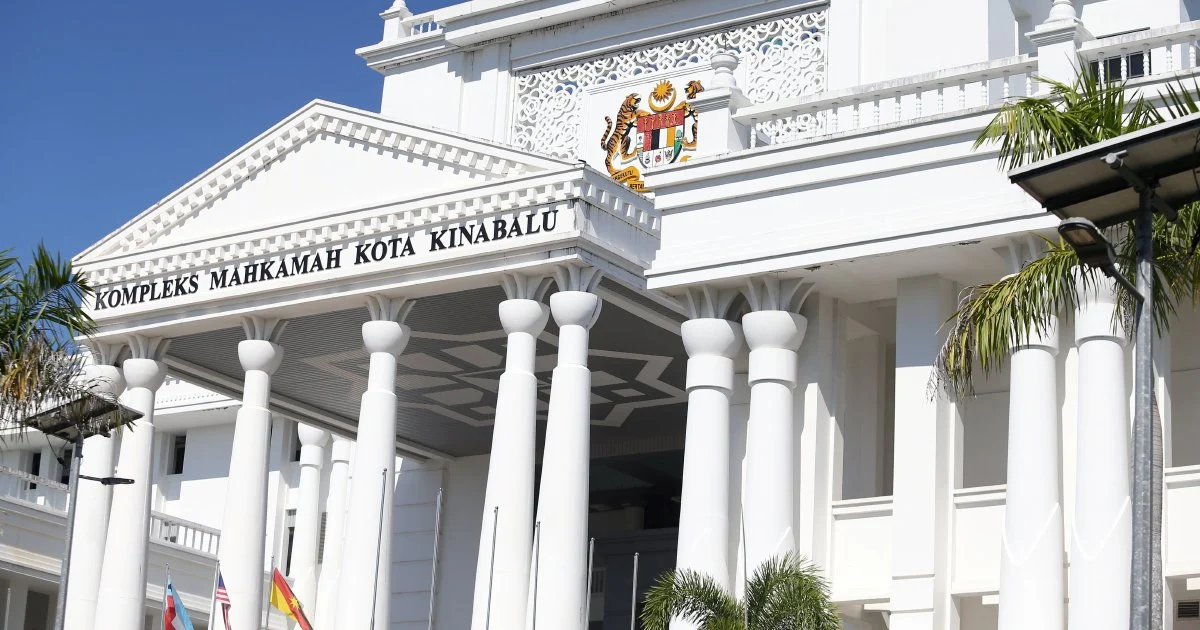
A graphologist appearing before the Coroner's Court in Kota Kinabalu has reaffirmed her forensic analysis indicating that not all handwritten entries discovered in the late Zara Qairina Mahathir's journals originated from the subject herself. The expert's continued insistence on her original conclusions adds another layer of complexity to the examination of documentary evidence surrounding the prominent figure.
The significance of this testimony extends beyond the immediate proceedings, as journal entries often serve as crucial historical and evidentiary documents in Malaysian legal and public discourse. The distinction between entries penned by Zara Qairina Mahathir and those potentially written by others could carry substantial implications for understanding the circumstances under examination by the court. Handwriting analysis remains a recognised forensic discipline, though its reliability in legal proceedings continues to generate scholarly debate internationally.
As a member of Malaysia's prominent Mahathir family, Zara Qairina's personal records have attracted considerable public attention. The Coroner's Court inquiry itself reflects the seriousness with which authorities are treating the matter. The examination of documentary evidence through expert testimony represents a standard investigative approach, though questions about the chain of custody and preservation of such materials inevitably arise in high-profile cases.
The graphologist's determination that multiple authors likely contributed to the journal entries raises pertinent questions about the document's overall reliability as a singular personal account. In forensic contexts, such findings can either corroborate other investigative leads or introduce new puzzles requiring explanation. The expert's refusal to modify her assessment, despite potential pressures in a high-profile case, underscores the professional standards expected of those offering technical evidence to the court.
Handwriting identification involves examining numerous variables including letter formation, spacing, pressure patterns, baseline consistency, and flourishes specific to individual writers. Malaysian courts regularly rely on such expert testimony, particularly in cases involving document authenticity and provenance questions. The rigorous nature of such analysis typically requires comparison with authenticated samples from the suspected writers, a process that appears to have been conducted in this instance.
The court's focus on determining authorship of specific entries suggests that certain passages may contain information directly relevant to the matters under investigation. The distinction becomes legally and factually meaningful only if those particular entries carry evidentiary weight. This underscores why the expert's testimony warrants careful examination and cross-scrutiny from legal representatives present at the proceedings.
For Malaysian observers following the case, the implications touch on broader questions of evidence authentication and the role of expert testimony in the justice system. The Coroner's Court mechanism itself represents an important institutional framework for investigating deaths and circumstances that warrant formal scrutiny. Public confidence in such investigations rests partly on the transparency and competence of expert evidence presented.
The expert's position also invites consideration of alternative explanations for multiple handwriting styles within the journals. These might include periods when Zara Qairina Mahathir herself varied her handwriting due to health conditions, emotional states, or circumstantial factors affecting her penmanship. Conversely, the possibility of deliberate entries by other persons represents the scenario the expert's analysis suggests occurred.
As the Coroner's Court proceedings continue, this testimony contributes to the broader evidentiary picture being constructed. The court must ultimately weigh the graphologist's findings against other documentary evidence, witness statements, and contextual information to form comprehensive conclusions. In Malaysian legal practice, expert evidence serves to illuminate technical matters beyond the capacity of lay judges or juries to assess independently.
The public dimension of this case, given Zara Qairina Mahathir's family connections and the official nature of the inquiry, ensures sustained media scrutiny and public interest. This attention itself places responsibility on all participants in the legal process to maintain rigorous standards and procedural integrity. The graphologist's steadfast adherence to her original assessment, rather than modifying conclusions to align with external expectations, reflects the professional independence that effective expert testimony requires.
Looking forward, the question of journal authorship may influence how the Coroner's Court interprets other evidence and constructs its final narrative regarding the circumstances of Zara Qairina Mahathir's death. The interaction between this documentary analysis and other investigative threads will ultimately determine the weight assigned to the journals in the court's deliberations and recommendations.

