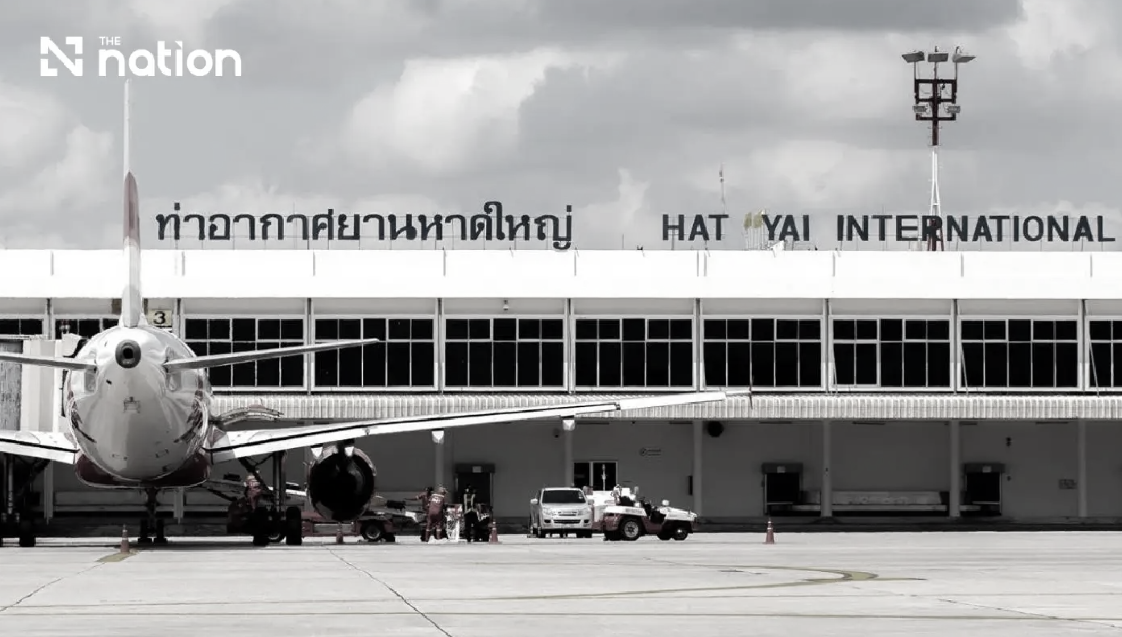
Hat Yai International Airport in Songkhla province was forced to temporarily close its primary runway after an airport fire engine became involved in an incident on the tarmac, disrupting air traffic and prompting authorities to reroute incoming aircraft to alternative facilities. The closure of Runway 26 lasted approximately two and a half hours on Wednesday, June 17, 2026, illustrating how swiftly a single operational incident can cascade across the region's aviation network.
Airport officials issued a formal aviation notice—known in international aviation terminology as a NOTAM—informing airlines and air traffic controllers that the runway would remain unavailable from 1.55pm until 4.30pm local time. The decision to implement this extended closure reflected safety protocols prioritised by airport management, who determined that thorough investigation and clearing of the incident site took precedence over resuming normal operations. During this window, the runway essentially became a restricted zone, preventing any landing or takeoff activity that would ordinarily move hundreds of passengers through the facility.
The practical implications of this disruption rippled across the region's flight schedule. With Hat Yai's primary landing surface offline, incoming aircraft had no choice but to be redirected to alternative airports capable of handling commercial traffic. Krabi International Airport, positioned approximately 100 kilometres northwest and serving as the nearest viable option, became the default destination for diverted flights. This arrangement, while ensuring passenger safety, extended journey times for travellers and created logistical challenges for airlines managing unexpected route changes mid-flight.
Flight tracking data from Flightradar24, a real-time aviation monitoring platform widely used by the aviation industry and enthusiasts, confirmed the scope of the disruption. At least two commercial flights destined for Hat Yai were compelled to land at Krabi instead. Thai Airways flight TG263, a scheduled service connecting Hat Yai to other regional hubs, and Thai Lion Air flight SL712, a budget carrier operating on the same route, both experienced the diversion. These were not isolated incidents but rather representative of the broader traffic management challenge created by the runway closure.
The incident sparked immediate concern among passengers aboard affected aircraft, many of whom were uncertain about the sudden change to their travel plans. One passenger travelling on Thai Airways flight TG263 contacted Hat Yai Airport directly to seek clarification on why their inbound flight could not proceed as scheduled. Airport personnel acknowledged an emergency situation but initially refrained from divulging specific details about the fire engine accident, a communication strategy that reflected the ongoing nature of the incident response at that moment.
Airports across Southeast Asia, including those in Malaysia and Thailand, operate under strict international safety standards that mandate closure of operational areas during emergencies or when potential hazards exist. The decision by Hat Yai Airport management to keep Runway 26 closed for the full duration necessary—rather than rushing to reopen prematurely—underscored adherence to these protocols. The fire engine involved in the accident represented a critical piece of airport infrastructure, and any collision or malfunction affecting this equipment required thorough assessment before normal runway operations could safely resume.
The broader context of this incident reflects ongoing operational pressures facing mid-sized regional airports throughout Thailand and Southeast Asia. Hat Yai International Airport serves as a vital transportation gateway for southern Thailand, connecting Songkhla province to domestic destinations and regional hubs. The airport handles a mix of scheduled commercial flights and occasional charter operations, with traffic volumes that have grown substantially as tourism and regional connectivity have expanded. A single infrastructure incident can therefore have disproportionate effects on the airport's capacity and schedule reliability.
Passengers waiting for information during the closure faced uncertainty about their travel timelines and eventual destinations. Airlines issued advisories urging affected travellers to monitor communications from their carriers, as flight plans could change at short notice depending on the developing situation. For those eventually rerouted to Krabi, the diversion meant either ground transportation back to their original Hat Yai destinations or acceptance of modified itineraries that extended their journey duration.
The Thai Airways flight TG263 eventually touched down safely at Krabi Airport, allowing its passengers to complete their journeys despite the unexpected routing. This successful resolution, while not ideal for travellers, demonstrated the competence of Thai aviation authorities in managing crisis situations and redirecting traffic to alternative facilities without compromising safety. The incident highlighted the interdependency of regional airports and the importance of maintaining multiple operational options for managing disruptions.
For Malaysian aviation stakeholders and regional carriers, the Hat Yai incident serves as a reminder of operational fragility in the Southeast Asian aviation network. Airports in Malaysia and neighbouring countries operate under similar pressures, managing growing passenger volumes with aging infrastructure while adhering to rigorous safety standards. The ripple effects of a single incident at Hat Yai—affecting flights, passengers, and scheduling across multiple carriers and airports—underscore why preventive maintenance and emergency response protocols remain critical investments for regional aviation authorities.

