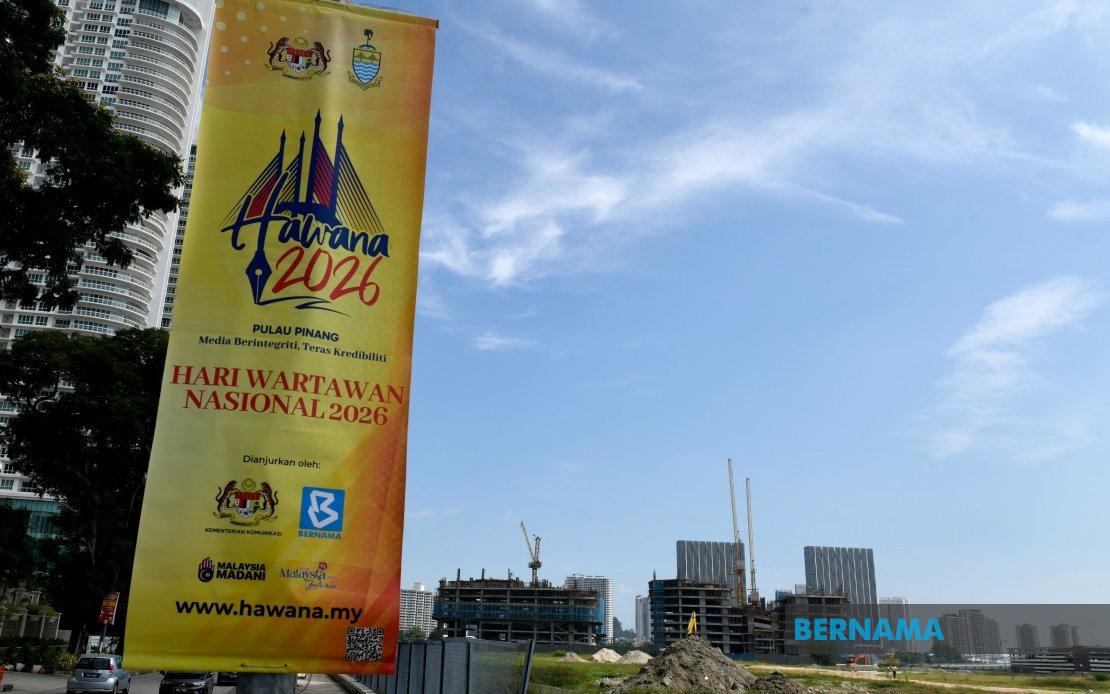
Penang is poised to welcome the inaugural National Journalists' Day (HAWANA) 2026 celebration, a landmark event that state officials believe will catalyse growth in tourism and the creative economy whilst positioning the island as a premier regional destination. The three-day festival, commencing June 19 at the PICCA Convention Centre @ Butterworth Arena, represents a significant vote of confidence in Penang's infrastructure and appeal, marking the first time the prestigious national gathering has been held outside traditional venues. State Tourism and Creative Economy Committee chairman Wong Hon Wai underscored the strategic importance of hosting the event, describing it as validation of Penang's capacity to deliver world-class international conferences whilst maintaining its reputation as one of Malaysia's most visited destinations.
The selection carries tangible implications for Southeast Asia's tourism landscape, as the convergence of approximately 1,000 media professionals from across Malaysia and the ASEAN region will provide Penang with unparalleled exposure among influential gatekeepers of regional narratives. Such concentrated media attendance translates into substantial visibility that transcends traditional advertising, embedding Penang's attributes—cultural heritage, culinary diversity, tourism infrastructure, and emerging creative sectors—into editorial coverage that reaches millions across the region. Wong emphasised that media personnel serve as crucial conduits for destination marketing, arguing that accurate, compelling storytelling by journalists directly influences traveller confidence and purchasing decisions. This symbiotic relationship between media and tourism development proves particularly valuable for states seeking to differentiate themselves within competitive regional markets where brand perception heavily influences visitor flows.
Beyond the formal proceedings, the accompanying RIUH Pi HAWANA Carnival projects visitor numbers of approximately 30,000 across the three-day period, creating substantial demand for accommodation, dining, retail, and entertainment services throughout Penang and adjacent Seberang Perai. Tourism operators have reportedly secured robust hotel bookings, indicating that the region's hospitality sector is well-positioned to absorb the influx. The carnival itself, offering free admission, features over two dozen local creative brands alongside twenty food vendors, transforming the convention venue into a dynamic marketplace for discovering Penang's emerging talent and culinary offerings. This experiential approach—enabling visitors to engage directly with artists, entrepreneurs, and creators rather than merely observing them—fosters deeper economic engagement and community connections that typically translate into repeat visitations and word-of-mouth promotion.
The economic multiplier effects extend across multiple sectors simultaneously. Hotels benefit from increased room occupancy; restaurants and hawker centres experience heightened patronage; transport operators serve additional passengers; retail establishments capture discretionary spending; and tourist attractions attract supplementary visitors. For a state economy increasingly dependent on diversifying beyond manufacturing, such events provide measurable stimulus whilst demonstrating government commitment to nurturing the creative industries. Wong's emphasis on media as partners in promoting both tourism destinations and creative sectors reflects evolving recognition across Southeast Asia that cultural production and tourism operate synergistically—creative workers require audiences and markets, whilst cultural experiences increasingly drive traveller motivation.
The event's thematic focus on 'Media Integrity Strengthens Credibility' carries particular resonance across Southeast Asia, where questions about information reliability and journalistic independence remain contested terrain. By centring professional standards and ethical practice, HAWANA 2026 positions Malaysia's media practitioners as custodians of public discourse at a moment when misinformation, sensationalism, and polarised narratives pose challenges to regional stability. The gathering therefore serves dual purposes: celebrating journalists' contributions whilst reinforcing institutional commitments to credible, responsible reporting. For Penang specifically, hosting this conversation on its soil elevates the state's profile as an intellectual and cultural centre rather than merely a tourist commodity.
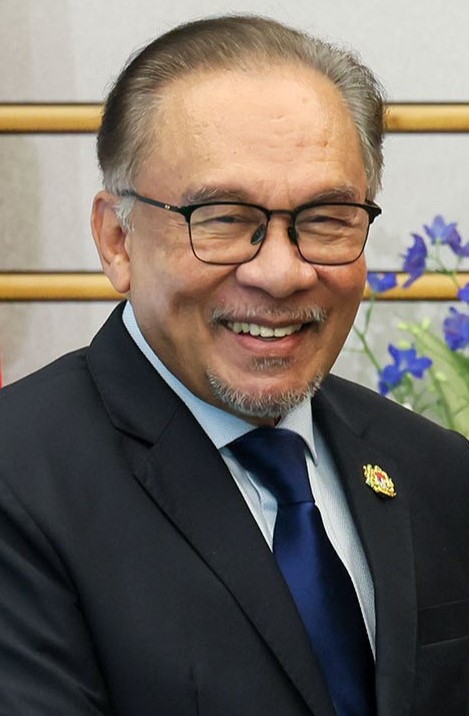
Prime Minister Datuk Seri Anwar Ibrahim's participation in the June 20 opening ceremony signals federal-level endorsement and positions HAWANA 2026 within broader national development narratives. Federal backing typically enhances event prestige and can facilitate resources, media promotion, and high-profile attendee participation that smaller-scale regional gatherings struggle to command. The involvement of the Ministry of Communications and the Malaysian national news agency Bernama indicates institutional support for professional journalism whilst demonstrating government recognition that healthy media ecosystems contribute to national prosperity and regional standing.
The sixteen scheduled live stage performances featuring established and emerging Malaysian artists—including acts such as Exists, Bunkface, Masdo, Sakura Band, Budak Nakal Hujung Simpang, and Chelsea Ng—ensure the carnival maintains entertainment value for families and younger demographics beyond the professional media community. This inclusive programming strategy broadens the event's appeal and ensures that economic benefits reach performers, production crews, and support services whilst generating content opportunities for both traditional and social media platforms. The festival becomes a cascading media event unto itself, with attendees generating organic digital coverage that amplifies reach far beyond physical attendance.
For Malaysia and Southeast Asia more broadly, HAWANA 2026 exemplifies how strategic event hosting intersects tourism development, creative economy nurturing, and media infrastructure strengthening. As regional competition for visitor attention intensifies and emerging destinations increasingly compete for market share, Penang's positioning as a cultural and intellectual hub—not merely a heritage or beach destination—represents a sophisticated differentiation strategy. The event acknowledges that contemporary travellers often seek experiences involving creative discovery, authentic cultural engagement, and exposure to local artistic production rather than passive consumption of tourist infrastructure. Penang's ability to deliver such multidimensional experiences enhances its competitive positioning within Southeast Asia's dynamic tourism sector.