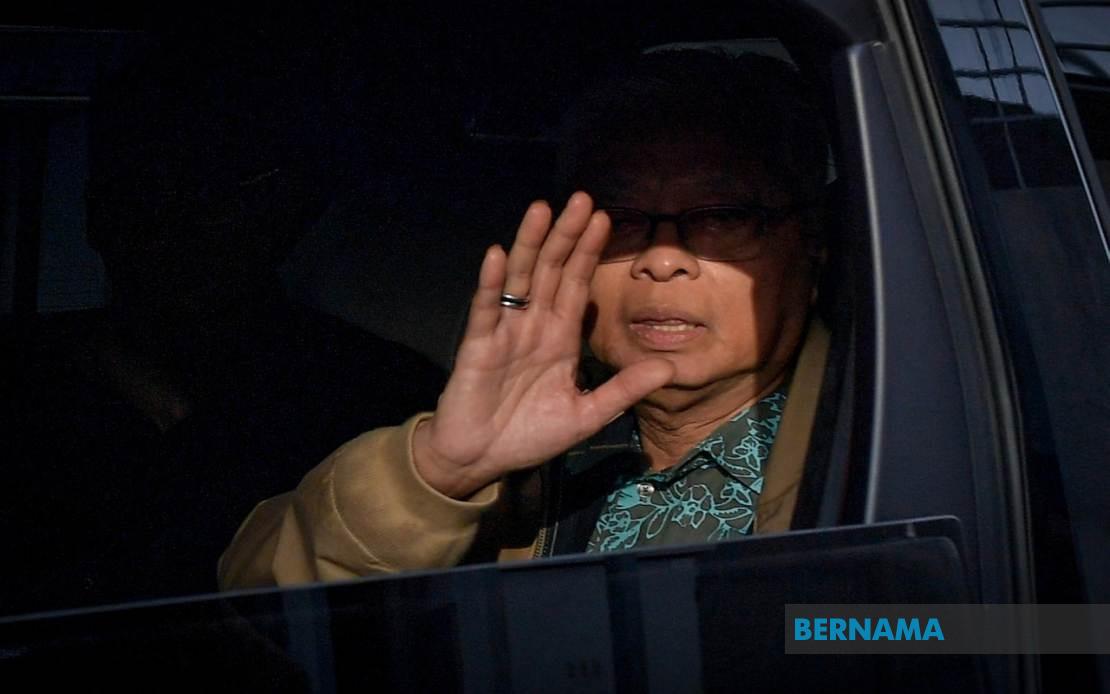
A significant development in Malaysia's digital media landscape has emerged as the High Court in Kuala Lumpur validated the acquittal of blogger Jufazli Shi Ahmad, who faced charges related to provocative content posted on his YouTube channel criticising former Prime Minister Datuk Seri Ismail Sabri Yaakob and the UMNO party. Judge Datuk Aslam Zainuddin's decision on October 18, 2024, to dismiss the prosecution's appeal represents an important legal precedent concerning the boundaries of online expression and government accountability in the country.
The case centred on two distinct allegations against Jufazli spanning 2022. The first charge involved the creation and transmission of offensive material through his 'King Maker Politik' YouTube channel on June 27, 2022, at 3 pm, with the content subsequently accessed by authorities at the Dang Wangi District Police headquarters on July 1 the same year. This charge was prosecuted under Section 233(1)(a) of the Communications and Multimedia Act 1998, which carries potentially severe penalties including fines up to RM50,000, imprisonment not exceeding one year, or both, alongside an additional daily fine of RM1,000 following conviction.
The second charge concerned Jufazli's alleged refusal to supply the password to his YouTube account to police officers at Dang Wangi headquarters on July 5, 2022, at 12.10 pm. This violation was framed under Section 249 of the same legislation, exposing Jufazli to maximum penalties of RM100,000 in fines or up to two years' imprisonment. The dual nature of the charges—one targeting speech itself and the other targeting non-cooperation with authorities—reflected a comprehensive prosecutorial strategy aimed at both punishing the content and extracting digital access credentials.
Judge Aslam's ruling explicitly upheld the Sessions Court's earlier determination to discharge and acquit Jufazli, effectively rejecting the prosecution's arguments for reversal. The High Court judge stated that following careful examination of appeal records, the Sessions Court judge's reasoning, and submissions from both legal representatives, the appellate court found no grounds to disturb the lower court's decision. Deputy Public Prosecutor Mohamad Fadhly Mohd Zamry had presented the state's case, while Jufazli's defence was mounted by lawyer Ramesh N.P. Chandran.
The implications of this decision extend beyond the individual case, touching upon broader questions about digital rights and political expression in Malaysia. Content creators and commentators operating within the online sphere have historically navigated an ambiguous regulatory environment where the line between legitimate criticism and offensive communication remains contested. This acquittal suggests that Malaysian courts may be increasingly willing to apply more nuanced interpretations of communications legislation, distinguishing between genuine offensive intent designed to harass or annoy and partisan political commentary, even when caustic or unflattering.
The 'King Maker Politik' channel's focus on political analysis and commentary reflects the growing prominence of independent digital media platforms in Malaysia's information ecosystem. YouTube and similar platforms have become significant spaces where citizens engage with political discourse outside traditional media gatekeeping, particularly during periods of government transition or political instability. The 2022 timeframe of these alleged offences coincided with Malaysia's complex political situation following the 2022 general election, when various stakeholders vigorously debated governmental legitimacy and leadership choices.
For Malaysian audiences and content creators, this verdict carries practical significance regarding what constitutes permissible online speech. The acquittal indicates that merely criticising political figures or parties, even in provocative terms, may not automatically constitute an offence under the Communications and Multimedia Act 1998, provided such criticism does not cross into harassment or defamation. This distinction matters considerably for digital journalists, political commentators, and ordinary citizens who wish to engage in legitimate political discourse without fear of disproportionate legal consequences.
The case also highlights ongoing tensions between law enforcement approaches to digital content and established principles of free expression. Police investigation and potential prosecution of online political commentary can function as a chilling effect on speech, deterring citizens from publicly voicing dissent or criticism. By upholding Jufazli's acquittal, the High Court has signalled judicial restraint in applying communications legislation to suppress political speech, even when authorities perceive it as offensive or annoying.
Comparatively, Malaysia's approach to online expression remains more restrictive than many neighbouring Southeast Asian democracies, though this decision suggests incremental movement toward greater judicial protection of digital speech rights. The outcome may influence how lower courts handle subsequent cases involving similar factual patterns, potentially establishing a precedent that prosecutors must demonstrate more than mere offensiveness when pursuing cases under Section 233 of the Communications and Multimedia Act.
Further context reveals this decision occurs within Malaysia's broader evolution regarding digital rights and governmental accountability. As internet penetration deepens and online platforms become primary venues for political discourse, courts face increasing pressure to balance competing interests: state security concerns, individual privacy and freedom, and the public's right to information and political participation. Jufazli's acquittal represents a judicial determination that protecting political commentary outweighs prosecutorial preferences in this particular balance.
The High Court's formal dismissal of the prosecution's appeal also underscores the independence of Malaysia's judiciary in adjudicating contentious cases with political dimensions. Despite pressures that might encourage judicial deference to government positions, the court proceeded with principled legal analysis rather than predetermined outcomes. This institutional resilience matters significantly for public confidence in the rule of law and democratic governance.
Moving forward, both digital content creators and law enforcement agencies will need to recalibrate their understanding of permissible boundaries in online political discourse. Content creators may feel emboldened to engage more freely in political commentary, while authorities may need to reserve prosecution for instances demonstrating genuine harm or malicious intent rather than mere political disagreement. The decision ultimately affirms that vibrant democratic societies require robust spaces for political expression, including within digital media platforms, even when such expression proves uncomfortable or critical of established power structures.

