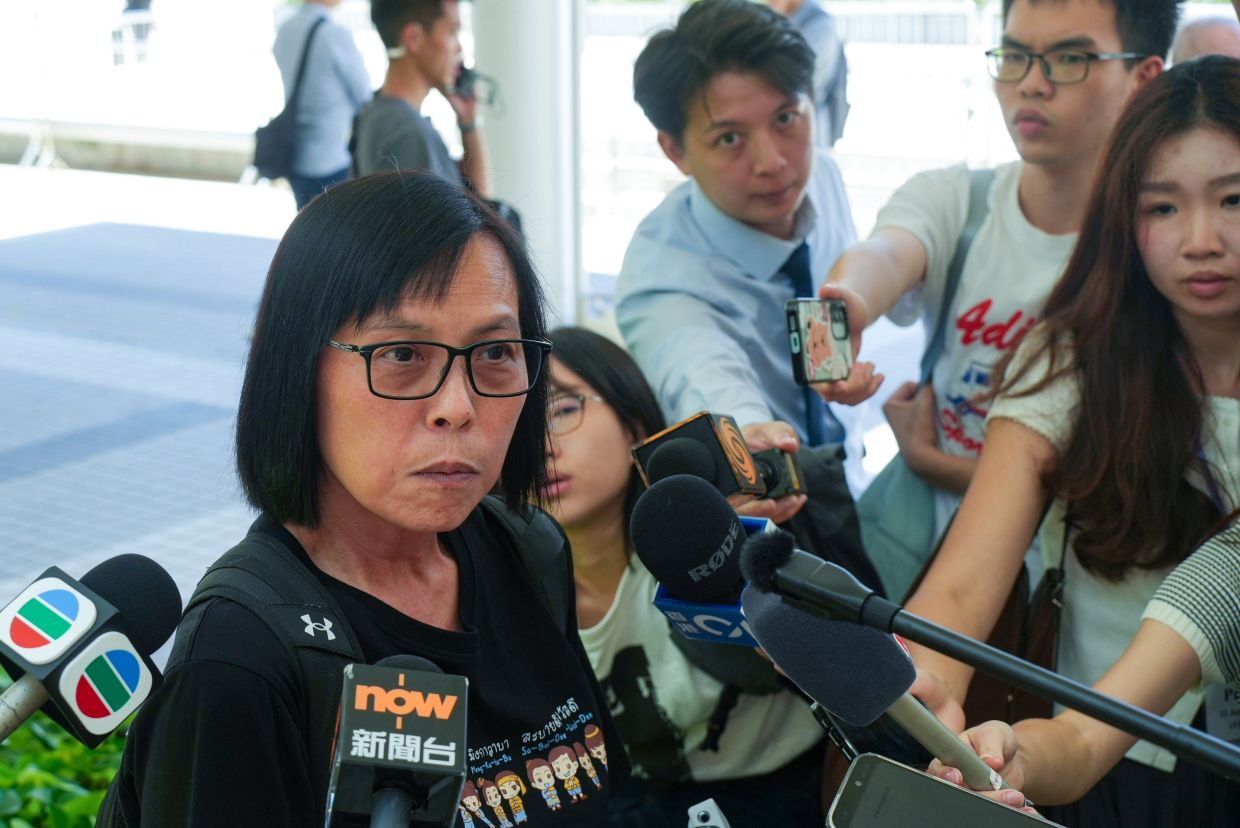
An independent committee tasked with investigating Hong Kong's Wang Fuk Court apartment fire has opted against converting itself into a statutory commission of inquiry, a decision that has triggered fresh anxiety among survivors and observers who fear the panel may lack sufficient authority to uncover critical details about the disaster.
Chairman Justice David Lok Kai-hong announced the committee would proceed without statutory powers during hearings that resumed Monday following a six-week adjournment. The choice reflects a deliberate strategy to maintain the inquiry's current operational framework rather than expand its remit through formal legal designation—a move that typically grants investigative bodies enhanced powers of compulsion and enforcement.
The distinction between a statutory and non-statutory inquiry carries substantial practical implications across Asia's regulatory landscape. Statutory commissions possess explicit legal authority to subpoena witnesses, demand document production, and impose penalties for non-compliance. Non-statutory bodies, by contrast, operate within narrower boundaries and rely on voluntary cooperation. For survivors grappling with trauma and families seeking accountability, this limitation represents a potential vulnerability in how thoroughly the investigation can pursue leads.
The Wang Fuk Court fire, which claimed multiple lives and displaced numerous residents, ranks among Hong Kong's more significant residential disasters in recent years. The intensity of public scrutiny and the complexity of potential liability issues—spanning building management, safety inspections, and emergency response protocols—typically warrant the comprehensive powers that statutory status provides. The committee's decision to remain non-statutory therefore stands at odds with the scale and sensitivity of what families and the broader public expect from such an inquiry.
Justice Lok's rationale for declining statutory designation remains partly opaque from available reporting, though administrative efficiency and timeline considerations often influence such decisions. Statutory conversion requires formal government approval and can introduce additional procedural requirements that extend investigation timelines. For stakeholders who have already waited through a six-week pause, the prospect of further delays may have influenced the committee's preference for maintaining its current structure.
However, survivor advocates have raised concerns that proceeding without statutory authority could hamper the investigation's ability to compel testimony from reluctant witnesses, including those affiliated with building management companies or government agencies whose cooperation might otherwise remain discretionary. The distinction becomes especially critical if evidence emerges suggesting systemic failures or deliberate obstruction by parties with potential liability exposure.
Hong Kong's inquiry framework reflects broader regional patterns in how Southeast Asian and East Asian jurisdictions balance investigative thoroughness against administrative expedience. Malaysia has employed statutory commissions in high-profile cases, granting them explicit coercive powers to ensure comprehensive fact-finding. The contrast underscores how governance choices can materially affect the quality and credibility of public inquiries, particularly in matters involving loss of life.
The committee's resumption of hearings after its extended pause suggests investigations into the fire's origins, building conditions, and emergency response protocols remain substantive and evolving. Witnesses, technical experts, and officials will continue presenting evidence, but their willingness to engage and the depth of information they can be compelled to provide may differ significantly depending on whether statutory powers undergird the process.
For Malaysian observers and policymakers, the Hong Kong decision offers an instructive case study in inquiry design. If residential safety concerns or disaster investigations emerge domestically, the relative merits of statutory versus non-statutory approaches become practically relevant. Jurisdictions seeking to maximize investigative credibility and public confidence typically lean toward statutory designation, particularly when institutional accountability is at stake.
Survivors and their representatives continue lobbying for enhanced investigative powers, arguing that the absence of statutory authority creates perverse incentives for less forthcoming participation from parties with potential exposure. The committee has heard these concerns but apparently determined that its current mandate, combined with voluntary cooperation mechanisms and reputational pressure, suffices for pursuing truth and accountability.
The inquiry's continuation will test whether a non-statutory framework can adequately serve the interests of victims and the public appetite for understanding how the Wang Fuk Court fire occurred and what systemic vulnerabilities it exposed. The next phase of hearings will clarify whether the committee encounters cooperation gaps or witness reluctance that statutory powers might have prevented.
As Hong Kong's investigation proceeds, broader questions linger about governance structures and investigative effectiveness across the region. The committee's choice may ultimately influence how policymakers elsewhere evaluate the institutional design of future inquiries into critical incidents affecting public safety and welfare.

