Hong Kong police have moved against two individuals accused of selling seditious publications and accepting financial support from foreign political organisations, marking a significant escalation in the application of the city's expansive national security framework. The arrests, carried out on Wednesday, represent a troubling trend for civil liberties advocates monitoring the trajectory of Hong Kong's political freedoms since the introduction of sweeping security legislation.
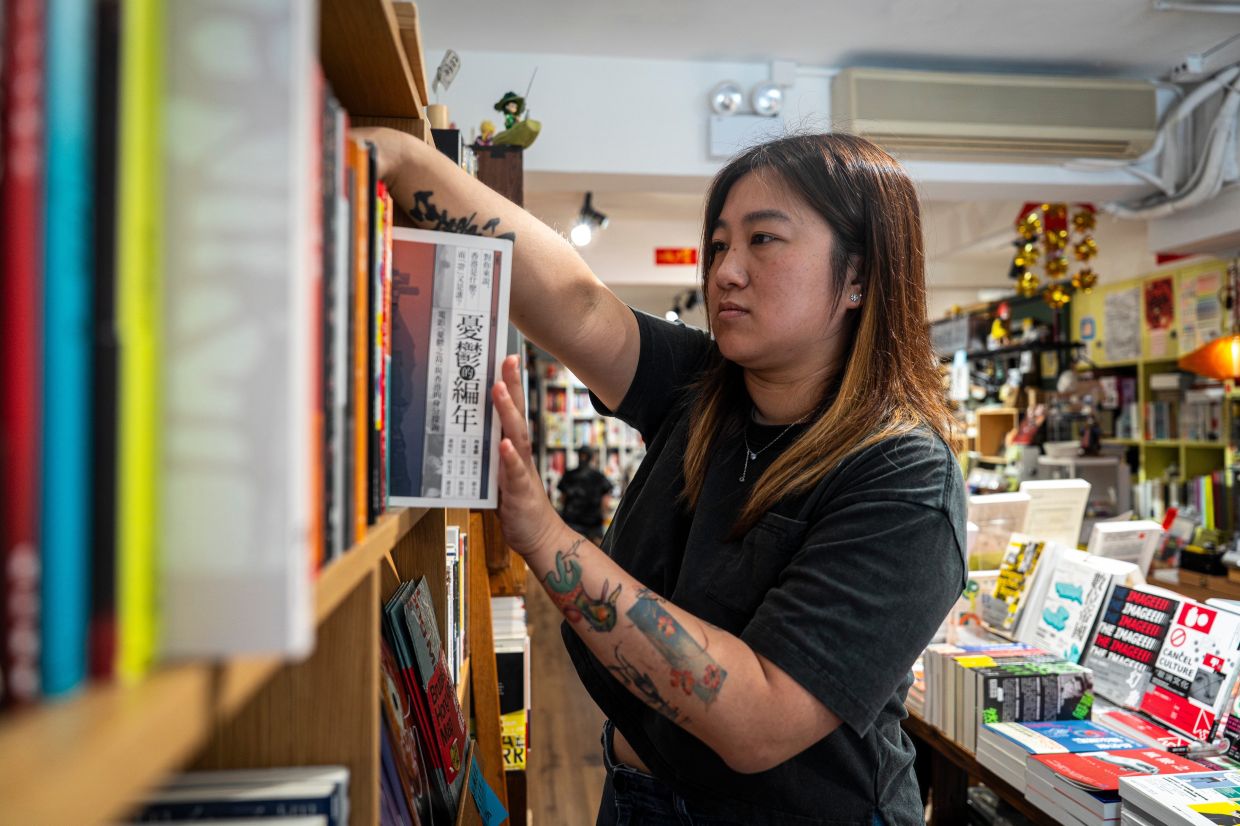
While the government has not officially named those detained, local news organisations including Ming Pao have reported that one suspect is Leticia Wong, owner of Hunter Bookstore in the Sham Shui Po district. Wong, a former district councillor with pro-democracy sympathies, has maintained a visible public presence even as many prominent activists have faced imprisonment following the contentious 2019 protests. Her reported arrest would underscore what critics characterise as an intensifying campaign to suppress dissenting voices in the territory.
The timing of these arrests carries particular symbolic weight. They occur just days before Hong Kong marks the anniversary of its 1997 handover from British to Chinese sovereignty, a moment that typically invites scrutiny of Beijing's commitment to the "one country, two systems" arrangement. That pledge was intended to preserve Hong Kong's distinct legal traditions and civil liberties framework. Yet observers increasingly argue that the gap between that original commitment and current reality continues to widen, particularly through the application of the national security law.
According to the government statement released Thursday, both suspects face allegations under the 2024 national security law regarding seditious conduct, as well as potential charges related to handling proceeds from indictable offences. Police investigations claim they displayed items deemed seditious and sold publications containing seditious material within their shop, specifically materials allegedly designed to incite hatred toward the government, judicial system, and law enforcement. The statement further asserts they received remittances originating from foreign political organisations, though it provides no specific details about which publications or organisations were involved.
Wong's bookstore has long attracted controversy from pro-Beijing quarters. Last year, a pro-government newspaper characterised an independent book fair held at the venue as embodying "soft resistance," and specifically flagged the shop's intention to stock a biography of Jimmy Lai, a pro-democracy media tycoon currently serving time on national security charges. This incident reveals how ordinary commercial decisions—what books to display and sell—have become matters of state scrutiny under the expanded security framework.
The pressure on Wong's operation has extended well beyond occasional confrontations. During an interview with international media last year, Wong detailed systematic government attention directed at her establishment. According to her records, authorities targeted her shop 92 times between July 2022 and June 2025, through various mechanisms including inspections, conspicuous patrols outside the premises, and warning letters citing alleged violations. The cumulative effect of such measures clearly constrains normal business operations and sends a message to other potential venues about the consequences of hosting independent cultural or literary events.
This arrest represents the second police action against independent booksellers in recent months, reflecting a broader pattern rather than an isolated incident. In March, authorities apprehended the owner and staff of another bookstore on similar sedition suspicions, including allegations connected to the same Lai biography. Those individuals were subsequently released on bail, suggesting that while the arrests achieve their deterrent objective, the legal cases themselves may face evidentiary challenges. The repetition of such arrests, however, compounds a chilling effect on the retail book trade and intellectual freedom more broadly.
The Hong Kong government defends these enforcement actions as essential safeguards for public stability, and consistently reiterates that freedom of speech remains protected within the territory. This official position sits uneasily alongside the accumulating evidence of restrictions on what can be sold, published, or discussed. For Malaysian and other Southeast Asian observers, these developments carry particular significance, as they illustrate how comprehensive national security legislation can function in practice to constrain freedoms that appeared constitutionally safeguarded.
The episode also illuminates questions about foreign support for civil society activities. The allegation of receiving remittances from overseas political organisations—whether this refers to crowdfunding, donations, or other mechanisms—raises questions about how international solidarity with local activists is being recharacterised as seditious funding. This broader categorisation of international civic engagement as a security threat reflects an approach that could have implications for how regional governments view transnational civil society networks and cross-border activism. For a city that has historically positioned itself as a global financial and cultural centre, such interpretations risk damaging the openness and pluralism that underpinned its distinctive appeal.

