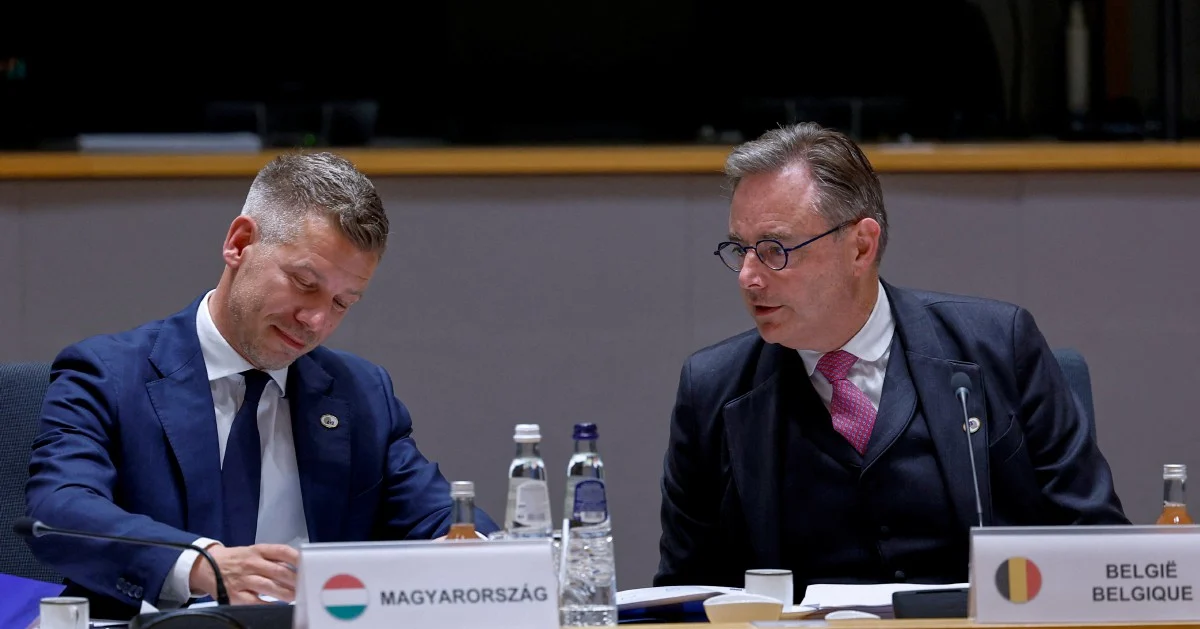
Hungary is preparing to take a significant step toward restoring its relationship with the European Union through parliamentary passage of sweeping anti-corruption measures, a move that signals Prime Minister Peter Magyar's commitment to addressing long-standing governance issues that have strained relations between Budapest and Brussels. The planned legislative approval represents a critical juncture for the nation, which has faced mounting scrutiny and financial consequences over allegations of democratic backsliding and institutional weaknesses in its anti-graft frameworks. For Malaysian observers, the Hungarian situation mirrors broader challenges facing democracies worldwide in maintaining institutional independence and public trust, particularly when political leadership changes create opportunities for course correction.
The withholding of EU funds has emerged as a powerful enforcement mechanism within the bloc's governance architecture, creating direct financial incentives for member states to strengthen their democratic institutions and corruption controls. Hungary currently faces the suspension of substantial financial resources from the European Union budget, with billions of euros locked away pending demonstration of meaningful reform. This funding freeze has created tangible pressure on the Hungarian economy, making the passage of anti-corruption legislation not merely a matter of principle but of immediate economic necessity. The delayed funds represent development projects, infrastructure investments, and social programmes that would otherwise flow into the country's coffers, making the stakes intensely practical for ordinary Hungarians affected by reduced public investment.
Peter Magyar's ascent to the prime ministerial office represents a significant shift in Hungary's political direction, with his administration signalling a departure from policies that drew EU criticism. Magyar has positioned himself as a reformer willing to confront institutional vulnerabilities and strengthen oversight mechanisms that international observers identified as inadequate. His reform drive extends beyond anti-corruption measures to encompass broader democratic governance questions, suggesting a comprehensive reimagining of how state institutions operate. For regional observers in Southeast Asia, the Hungarian experience underscores how international financial leverage and EU institutional requirements can compel domestic reform, a dynamic with potential relevance to ASEAN countries managing their own governance standards and international relationships.
The specific mechanisms being introduced through the anti-corruption measures remain central to their effectiveness in addressing EU concerns. These legislative proposals typically focus on strengthening institutional independence, enhancing transparency in government procurement and public spending, and establishing robust mechanisms for investigating and prosecuting corruption cases at all levels of government. Enhanced oversight of the judiciary, revised conflict-of-interest regulations, and tighter controls on asset declaration and beneficial ownership become critical components of such reform packages. The EU has historically demanded not just legislative change but demonstrable implementation and cultural shift within government institutions, meaning that passage alone represents only the first phase of a longer reform journey.
The timing of these measures carries significance beyond their immediate content, as Hungary seeks to participate fully in future EU budget allocations and investment programmes. The European Union's financial leverage creates powerful incentives for compliance, yet successful anti-corruption reform requires sustained political will and institutional buy-in from multiple stakeholder groups including judiciary, civil service, and parliament itself. Hungarian civil society organisations and international observers have emphasised that legislative measures prove meaningful only when accompanied by actual enforcement and cultural acceptance of higher standards throughout government operations. The challenge facing Magyar's administration involves converting legislative promises into operational reality across a bureaucracy that may resist such changes.
From a regional perspective, Hungary's experience illustrates how EU membership creates both constraints and incentives that shape member-state behaviour in ways that bilateral relationships alone might not achieve. Southeast Asian nations observing Hungary's situation gain insight into how international institutional arrangements can enforce governance standards without requiring direct military or coercive intervention. The mechanism operates through economic incentives and institutional pressure, demonstrating an alternative model of international relations that emphasises conditionality and institutional compliance. For Malaysia and other ASEAN members, such patterns offer lessons regarding how regional or international bodies might leverage economic resources to encourage governance improvements among member states.
The anti-corruption agenda also intersects with broader questions about Hungary's place within the European Union and its international standing more generally. Nations facing credibility questions regarding their governance institutions often discover that restoring international confidence requires sustained effort and measurable results, not merely legislative symbolism. The EU's approach—suspending funds until concrete reform occurs—creates accountability structures that can drive change when political motivation exists. Hungary's willingness to pursue these measures under Magyar's leadership suggests that domestic political constituencies have recognised the cost of institutional decay and the benefits of European integration sufficiently to support reform measures that might otherwise face resistance from entrenched interests.
The passage of anti-corruption legislation by the Hungarian parliament represents a crucial moment in determining whether the country can rebuild fractured relations with the EU and restore access to critical financial resources. However, the real test of reform commitment will emerge in subsequent months and years through actual implementation, enforcement, and the extent to which corruption cases are genuinely prosecuted regardless of political connections or social status. The international community will closely monitor whether these measures translate into substantive institutional change or remain as legislative gestures without meaningful practical consequences. For Hungary's economy and citizens, successful implementation could unlock billions in development funding that remains frozen, while failure to demonstrate genuine commitment would perpetuate the financial isolation that has constrained recent years.

