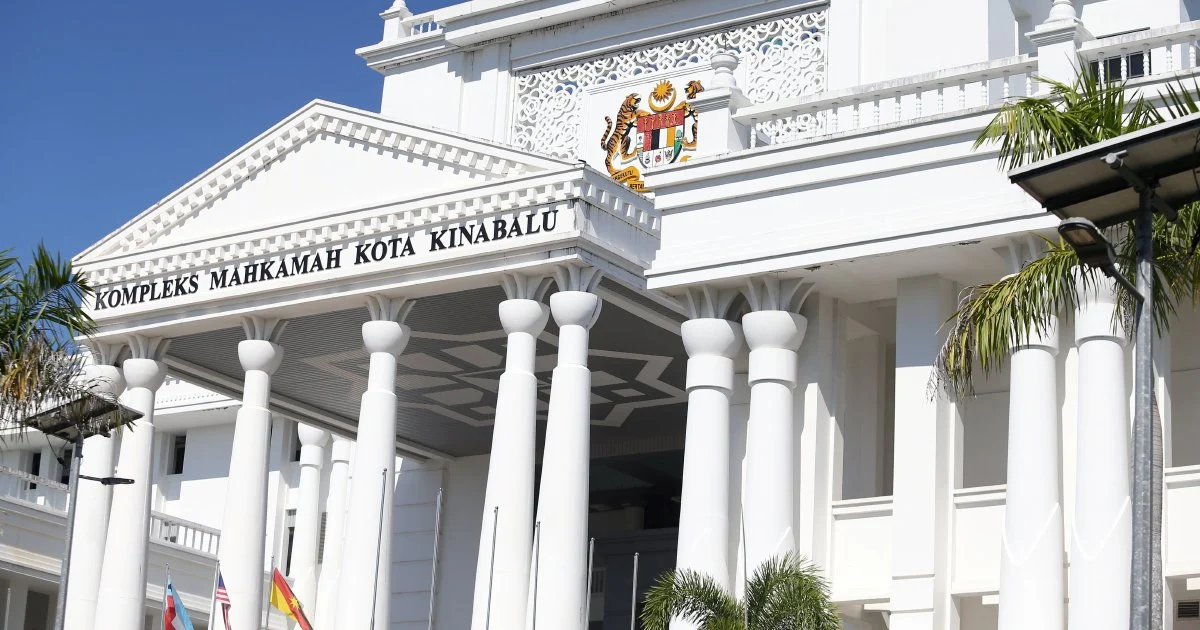
The lengthy inquiry into the circumstances surrounding the death of 13-year-old Zara Qairina Mahathir is drawing toward its conclusion, with legal proceedings in Kota Kinabalu scheduled to extend through October before reaching a critical juncture. The court has set October 23 as the anticipated closing date for what has been a protracted investigation into how the young teenager's life ended, marking a significant milestone in what has become a closely followed case in Sabah.
The final sessions of the inquest are shaping up to be particularly significant, as Zara's mother, Noraidah Lamat, is expected to take the stand for an extended period during these concluding hearings. Her testimony is anticipated to span approximately one week, positioning her as one of the last major witnesses to provide evidence before the proceedings formally conclude. This extended examination of her account underscores the court's deliberate approach to ensuring all material facts surrounding the case are thoroughly ventilated.
Inquests of this nature serve a crucial function within Malaysia's legal framework, operating separately from criminal trials to establish the facts and circumstances of a death rather than to determine criminal liability. The extended timeline through October suggests the court is methodically working through substantial evidence and witness testimony to build a comprehensive factual record. The participation of a parent in such extended testimony often provides emotional context and personal details that assist the coroner in understanding the deceased's circumstances in the weeks and months leading to their death.
The case has drawn considerable public attention across Malaysia and particularly in Sabah, where questions about youth welfare and safeguarding remain matters of significant community concern. The deliberate pace of the proceedings, allowing for thorough examination of evidence rather than rushing toward conclusions, reflects the seriousness with which the judicial system approaches cases involving children. This methodical approach, while extending the timeline for resolution, ensures that no potential avenue of inquiry is left unexplored.
For the bereaved family, the prospect of concluding testimony in late October may provide a sense of moving toward closure after what has likely been an agonising period of uncertainty. However, the formal conclusion of inquest proceedings does not necessarily end the family's questions or their need for accountability, depending on what facts emerge through the inquiry. The coroner's findings, once delivered, will form an official record of the circumstances and may influence discussions within regulatory authorities about whether additional safeguards are warranted.
The structure of Malaysian inquests places particular emphasis on witness testimony, and the extended participation of the deceased's mother indicates the court believes her perspective and knowledge of Zara's circumstances are central to understanding what occurred. Parents often provide crucial context about their child's emotional state, relationships, activities, and any concerning behaviour or disclosures that might shed light on the events leading to death. This information, when combined with evidence from medical professionals, authorities, and other witnesses, enables the coroner to construct a detailed account of events.
The continuation of proceedings through October raises practical and emotional considerations for all involved in the inquiry. Court schedules in Sabah can be affected by weather and logistical factors, and the protracted nature of these proceedings places significant demands on witness availability, legal representation, and judicial resources. For legal professionals involved in the case, managing the complexity of youth-related deaths requires sensitivity to both evidential requirements and the human impact of sustained focus on tragedy.
The anticipated October 23 conclusion date, while providing a concrete target, remains subject to the inherent unpredictability of court proceedings. Extensions occur when new evidence emerges, when witnesses require additional examination, or when the complexity of the legal or medical issues demands more time than initially expected. The court's indication of this date nonetheless signals that the major phases of evidence gathering are substantially complete, and the case is moving into its final stages.
As the inquest approaches its conclusion, the focus will likely turn toward what recommendations, if any, the coroner will make regarding prevention of similar deaths in the future. Inquests into deaths of young people often result in findings that highlight systemic gaps in safeguarding, mental health support, or supervision that warrant attention from relevant authorities and organisations. Any such recommendations emerging from this case could influence policy discussions at state and federal levels regarding youth protection frameworks in Malaysia.

