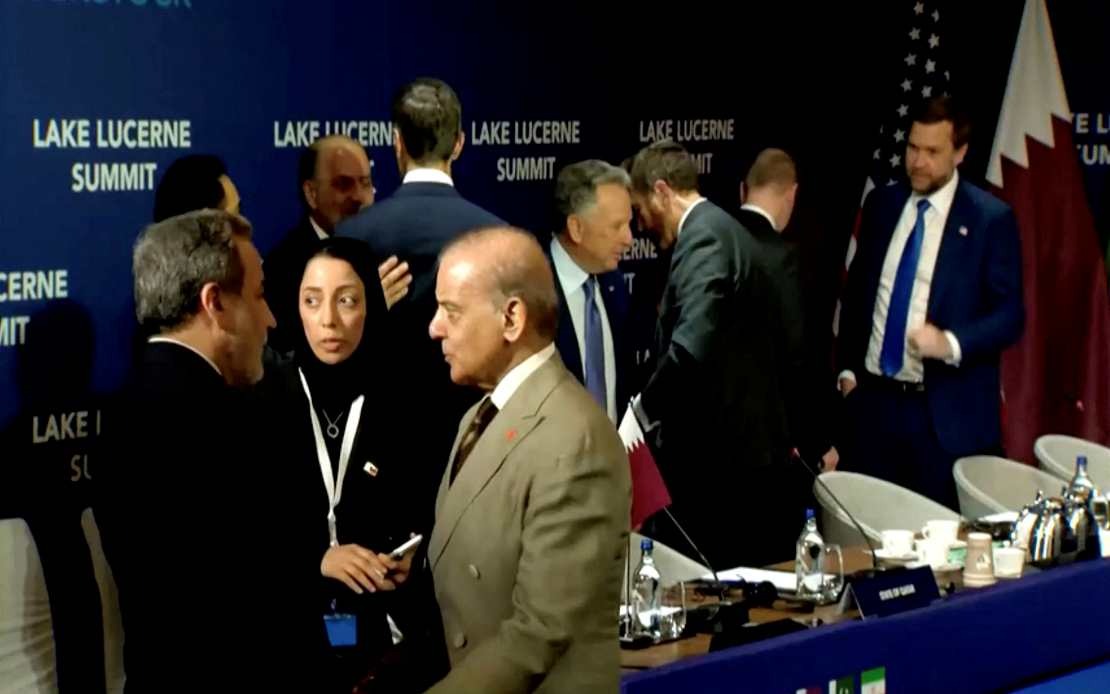
Diplomacy between Iran and the United States has advanced significantly with negotiators reaching agreement on a draft framework for the temporary removal of sanctions targeting Iranian petroleum exports. The breakthrough emerged from technical discussions held at the Burgenstock resort in Switzerland, where delegations from both nations have been engaged in substantive negotiations aimed at fundamentally reshaping their hostile relationship and establishing mechanisms for peaceful coexistence.
Hossein Ghorbanzadeh, a key member of Tehran's negotiating team, confirmed on Sunday that the technical provisions governing the easing of oil sanctions have been formally finalised. However, he underscored a crucial conditionality: these measures will remain inactive unless and until diplomats achieve a comprehensive final agreement that includes an end to the conflict engulfing Lebanon. This stipulation reflects Iran's position that sanctions relief on oil must be bundled with genuine progress on regional security issues, not treated as an isolated concession.
The negotiations in Switzerland operated on multiple tracks simultaneously. Beyond the primary discussions between US and Iranian representatives, separate technical teams tackled specific implementation challenges and practical details. These parallel meetings proved instrumental in drafting the oil sanctions provisions, demonstrating the complex, layered nature of modern diplomatic engagement between major adversaries seeking normalisation.
Parallel to these developments, Iranian officials held discussions with Qatari representatives concerning the release of Iranian assets that remain frozen under international sanctions regimes. Qatar's role as a mediator in this process underscores its standing as a neutral player capable of facilitating dialogue between the United States and Iran. The unfreezing of Iranian assets represents another crucial element in any broader settlement, directly affecting Iran's ability to function within the global financial system.
These latest developments build upon the Islamabad Memorandum of Understanding, a framework agreement announced on June 14 that was brokered through Pakistani mediation. The memorandum, which represents an extraordinary diplomatic achievement, established fourteen points of understanding designed to permanently terminate hostilities between the United States and Iran. The agreement subsequently entered into force on June 18 after receiving electronic signature from both Iranian President Masoud Pezeshkian and US President Donald Trump.
The memorandum's scope extends well beyond traditional military cease-fire arrangements. Its provisions commit both parties to halting all armed conflicts across multiple geographic and strategic fronts, with particular emphasis on de-escalating tensions in Lebanon where proxy forces have long posed risks to regional stability. The agreement also addresses maritime access, requiring the reopening of the Strait of Hormuz and the lifting of the US naval blockade that has constrained Iranian commerce and international shipping through this critical waterway.
For Malaysia and the broader Southeast Asian region, these developments carry substantial implications for energy markets and geopolitical stability. Iran's oil exports have been a subject of international sanctions for years, constraining global petroleum supplies and affecting prices across Asia. The potential temporary easing of restrictions could introduce additional Iranian crude into international markets, potentially moderating energy costs that have weighed on manufacturing competitiveness and inflation throughout Southeast Asia.
Moreover, the Islamabad Memorandum signals a fundamental shift in Middle Eastern power dynamics. For decades, US-Iran tensions have created unpredictability in one of the world's most strategically vital regions. Any durable reduction in this antagonism promises greater stability for international commerce, including shipping lanes through the Persian Gulf and beyond that carry goods destined for Asian markets. Malaysia's significant trade dependence on secure maritime routes makes regional peace a direct national interest.
The role of Pakistan as mediator deserves recognition within the context of South Asian diplomacy. Islamabad's ability to broker an agreement between Washington and Tehran demonstrates the continued relevance of trusted intermediaries in high-stakes international negotiations. This success may enhance Pakistan's standing as a credible interlocutor for other regional disputes and challenges requiring neutral facilitation.
The conditionality attached to the oil sanctions relief—namely, resolution of the Lebanon situation—suggests negotiators have been careful to link different components of the broader settlement. This approach prevents any single party from gaining sanctions relief while avoiding commitments on regional security. The Lebanon component reflects international concern about proxy conflicts and non-state armed groups that have long destabilised that country and threatened its neighbours.
As these negotiations progress toward final settlement, questions remain about implementation mechanisms and verification procedures. The technical teams currently working through details will need to establish clear protocols for monitoring compliance, releasing frozen assets, and managing the phased reintegration of Iranian oil into global markets. These procedural questions, while less dramatic than headline-grabbing agreements, often determine whether diplomatic successes translate into lasting peace.
The next phase will prove critical. Negotiators must achieve consensus on concluding the Lebanon conflict and finalising all remaining elements of the memorandum before provisional provisions crystallise into permanent arrangements. Both nations face domestic political constituencies with differing views on reconciliation, adding layers of complexity to what has already proven an extraordinarily difficult diplomatic undertaking. The coming weeks will reveal whether the momentum demonstrated at Burgenstock can carry negotiations across the finish line.

