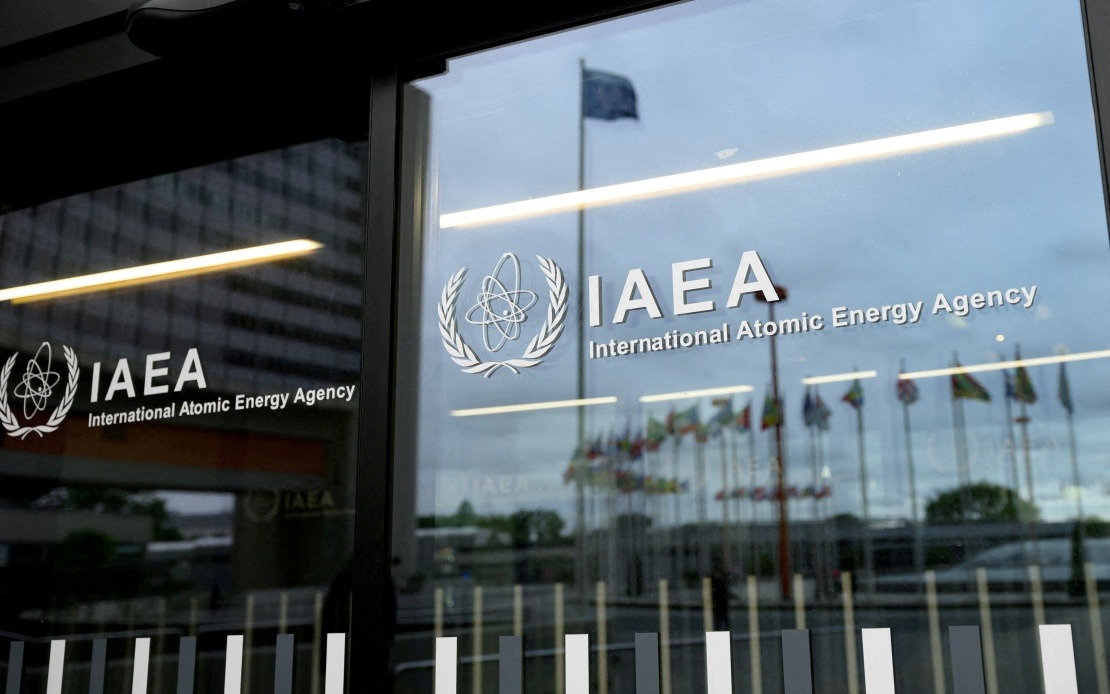
Iran's senior diplomatic leadership has signalled it will not permit the International Atomic Energy Agency to access its nuclear installations until a comprehensive final accord with Washington materialises, fundamentally conditioning international oversight on the success of broader negotiations. Deputy Foreign Minister Kazem Gharibabadi stated explicitly that scrutiny of Iranian nuclear materials and facilities represents a negotiating point rather than an immediate prerequisite, declaring that resolution of IAEA access will occur exclusively through the lens of a concluded agreement contingent upon American fulfilment of sanctions obligations.
The Iranian position emerged as a direct counterpoint to IAEA Director General Rafael Grossi, who indicated earlier this week that his agency intended to commence inspections in the near term, pointing to the June 18 memorandum of understanding signed between Iran and the United States as sufficient justification for renewed monitoring activities. This divergence reflects competing interpretations of the MoU's scope and implications, with Tehran viewing the document as establishing a negotiating framework rather than an immediate green light for international nuclear inspectors.
Gharibabadi additionally clarified that his country's negotiating delegation declined to meet with Grossi in Switzerland despite the IAEA chief's request, effectively rebuffing direct engagement on inspection protocols at this preliminary stage. The refusal demonstrates Iran's calculated approach to using the negotiation process as leverage, withholding diplomatic access to IAEA leadership as a means of reinforcing its conditionality argument.
The MoU structure itself provides 60 days for substantive negotiations toward a final agreement addressing both Iran's nuclear programme and sanctions removal. Initial negotiations commenced in Switzerland on Sunday and Monday of this week, establishing what both parties characterise as a substantive negotiating track rather than preliminary discussions. The compressed timeline underscores the urgency with which both governments view reaching a settlement, though Iran's current stance suggests it will not accelerate transparency measures within this window.
Iran's three primary nuclear complexes—Fordow, Natanz, and Isfahan—have become central flashpoints in the broader regional conflict trajectory. These installations sustained significant damage during a 12-day military campaign in June 2025, when the United States conducted extensive bombing operations against Iranian nuclear and military targets. The sites subsequently endured additional strikes following the eruption of renewed hostilities on February 28 of this year, when American and Israeli forces launched coordinated campaigns against Iranian nuclear infrastructure and military assets, further degrading their operational capacity.
The damaged state of Iran's nuclear facilities introduces technical complexity into any inspection regime framework. International monitors would need to assess not only current nuclear material inventories and enrichment activities but also undertake comprehensive damage assessments to verify whether these installations remain capable of activities concerning to Western security interests. Iran's conditioning of IAEA access on a final deal may partly reflect internal deliberation about whether damaged facilities can withstand international scrutiny, or conversely, whether demonstrating damage severity might strengthen Tehran's negotiating position regarding sanctions relief.
For Malaysia and the broader Southeast Asian region, Iran's negotiating strategy carries implications extending beyond Middle Eastern geopolitics. Any durable nuclear agreement framework between Iran and Western powers would affect regional security calculations, international sanctions regimes affecting trade patterns, and the broader stability of global energy markets—factors with direct bearing on Malaysian economic interests and foreign policy positioning. Malaysia has historically maintained diplomatic flexibility regarding Iran, avoiding alignment with explicitly anti-Iranian positions while preserving important economic relationships.
The current impasse also demonstrates how nuclear transparency mechanisms function as negotiating currencies rather than technical procedures in geopolitically charged contexts. IAEA inspections, nominally focused on verifying non-proliferation commitments, become integrated into broader political calculations involving sanctions, legitimacy, and power balancing. Iran's stance suggests it views permitting international nuclear oversight as a concession requiring reciprocal American movement on sanctions elimination rather than as a confidence-building measure supporting agreement achievement.
The 60-day negotiating window creates genuine temporal pressure on both sides, though Iran's early hardline positioning on IAEA access may indicate either principled intransigence or strategic brinkmanship intended to extract maximum concessions. How Gharibabadi's statements translate into negotiating behaviour during substantive talks will determine whether this represents a fundamental impediment to agreement or a negotiating posture subject to revision as discussions progress.
America's demonstrated willingness to engage Iran through the memorandum framework suggests Washington may be prepared to accommodate Iranian preferences regarding inspection timelines, potentially deferring comprehensive IAEA access until final agreement implementation rather than insisting on immediate transparency. Such flexibility would represent a significant shift from earlier American positions demanding intrusive oversight during negotiation periods.

