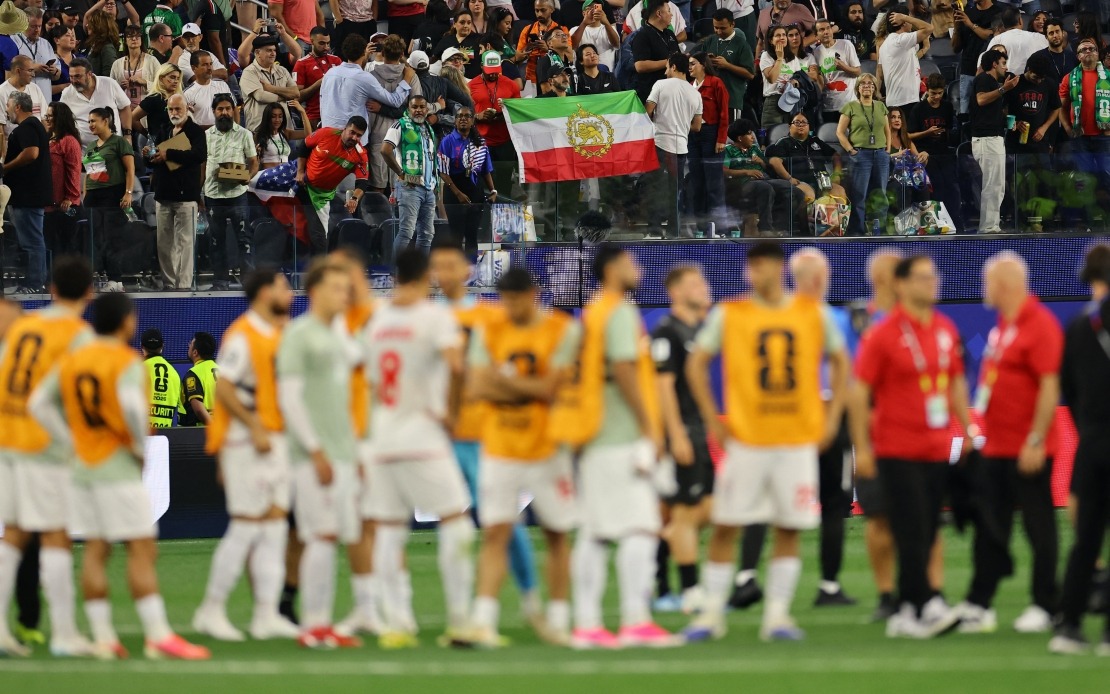
Iranian national football team manager Amir Ghalenoei has levelled serious accusations against World Cup organisers, characterising his squad as the "most repressed team in the whole World Cup" following their abrupt departure from Los Angeles shortly after Monday evening's opening fixture against New Zealand. According to reports from Istanbul, Ghalenoei claimed the team received orders to vacate their California base and relocate to their training camp in Mexico immediately after the final whistle, disrupting carefully planned recovery protocols and exhausting players with unnecessary air travel.
The timing of the departure proved particularly problematic from a football perspective. Ghalenoei explained that Iran's coaching staff had organised a recovery session scheduled for the day after their match, with the team expecting to remain overnight in Los Angeles. Instead, officials delivered immediate instructions to pack and depart, forcing the squad into what the manager described as excessive commuting that left players without adequate rest following an intense competitive match. Speaking through an interpreter to ESPN, Ghalenoei expressed frustration at this logistical arrangement, emphasising that his team had been deprived of standard post-match recovery protocols offered to other competing nations.
While Ghalenoei refrained from explicitly naming the authority issuing the departure order, Iran's team captain Mehdi Taremi offered a more pointed response during media interviews. Taremi referenced a locker room visit from FIFA President Gianni Infantino following Monday's match, suggesting broader geopolitical undercurrents influencing the team's treatment. In cryptic remarks that appeared to reference long-standing diplomatic tensions between the United States and Iran, Taremi stated: "For sure, he wants to try to help us, but it's about other things, too. Everyone knows it." The captain's deliberate understatement—"I don't need to mention that because you know where we are"—implied recognition of factors extending well beyond football administration.
The circumstances surrounding Iran's displacement from California underscore the complex intersection of sports governance, diplomatic relations, and geopolitical reality at international tournaments. The timing of these developments proved particularly sensitive, coinciding with reported peace negotiations between Washington and Tehran, which observers suggested were nearing a breakthrough deal. The juxtaposition of Infantino's personal visit to the Iranian team locker room with the immediate forced relocation raised questions about FIFA's role in managing what appeared to be politically influenced decisions affecting one of the competition's participating nations.
Iran's original World Cup base was supposed to be established in Tucson, Arizona, reflecting what would have been a more conventional arrangement for the tournament. However, the team shifted its operational headquarters to Tijuana, Mexico, during late May after encountering significant logistical obstacles and visa complications. This earlier relocation had already disrupted Iran's preparation timeline, as the squad navigated bureaucratic challenges in arranging its presence on North American soil. The subsequent forced departure from Los Angeles represented a second major disruption to the team's planned World Cup campaign structure, effectively placing Iran at a competitive disadvantage compared to other nations enjoying stable, uninterrupted training bases.
For Malaysian and Southeast Asian readers, this episode illuminates broader questions about tournament equity and whether international sports organisations can adequately shield competitions from geopolitical interference. The situation also demonstrates how diplomatic tensions between major powers can ripple through sporting events, affecting athlete preparation and national team performance. Iran's experiences highlight vulnerabilities in tournament organisation when host nations harbour significant political differences with participating countries, raising concerns relevant to future World Cup hosting arrangements and regional sporting events.
The implications for Iran's World Cup campaign are substantial. Recovery between matches proves critical for athletic performance, particularly in tournament formats requiring multiple games within compressed timeframes. By denying Iranian players adequate post-match recuperation and imposing unnecessary travel fatigue, the team potentially compromised their physical and mental readiness for subsequent fixtures. This disadvantage accumulates across tournament stages, potentially affecting both results and player injury risk.
Ghalenoei's public characterisation of Iran as the "most repressed team" reflects his conviction that external forces were actively constraining his team's ability to compete on equal terms. Such assessments carry weight when issued by experienced international football professionals, signalling systematic rather than incidental problems. The manager's willingness to articulate these concerns publicly suggests frustration with circumstances that he believes fell outside normal competitive parameters.
The broader context of FIFA's decision-making during this episode remains opaque. Whether Infantino's locker room visit represented an attempt to mediate political pressures, communicate organisational expectations, or express solidarity remains unclear. FIFA has historically maintained that its role requires political neutrality, yet hosting World Cups in politically charged contexts inevitably creates situations where this principle faces testing. The Iran situation exemplifies these tensions, where administrative decisions carry potential political dimensions that extend beyond purely sporting considerations.
Looking forward, Iranian football officials will likely monitor how their team's treatment at this World Cup influences future tournament participation and whether grievances expressed by Ghalenoei and Taremi receive acknowledgment from FIFA leadership. The episode also serves as a cautionary tale for other nations participating in tournaments held in geopolitically sensitive locations, suggesting that maintaining equal playing conditions for all teams requires proactive governance mechanisms that FIFA may need to strengthen.

