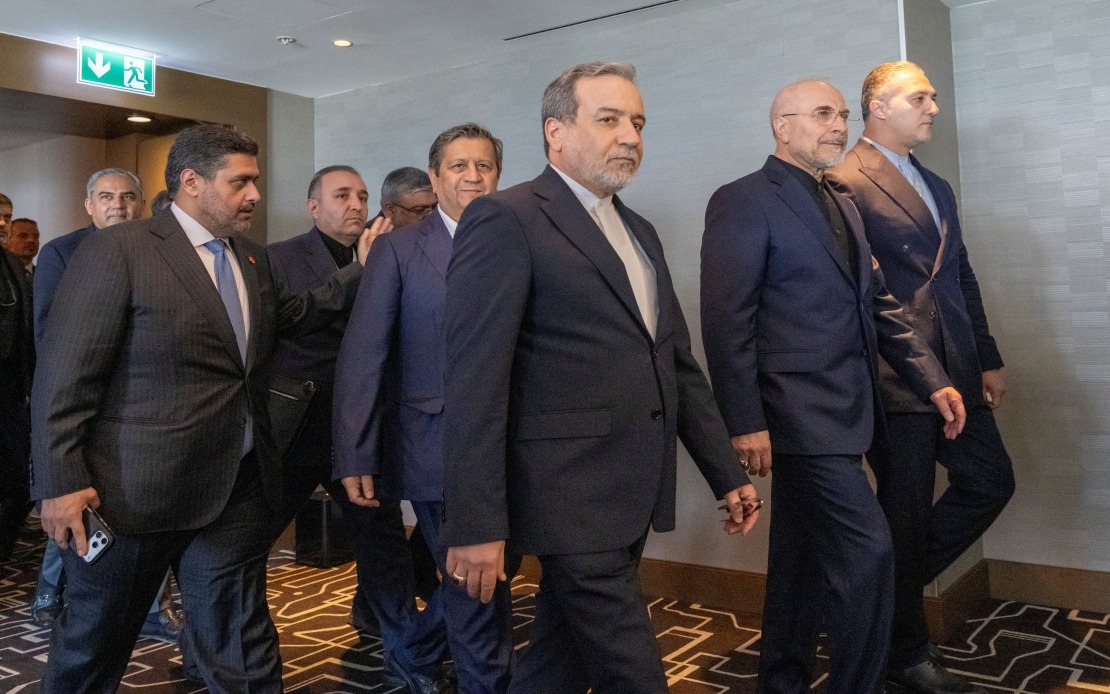
Iran's delegation departed Switzerland on Monday following an extended round of high-level negotiations with American representatives at the Lake Lucerne Summit in Burgenstock, concluding discussions that lasted nearly 18 hours and marked a significant moment in ongoing diplomatic efforts between the two nations. The Iranian team, led by Mohammad Bagher Qalibaf, the Speaker of Iran's Parliament and chief negotiator, left for Tehran after the conclusion of the talks, according to state-run Iranian media reporting on the developments.
The summit itself represents a carefully orchestrated diplomatic initiative, with Qatar and Pakistan serving as key mediators in facilitating dialogue between parties that have experienced decades of tension and mistrust. Both nations stressed the atmosphere during the negotiations proved conducive to substantive engagement, characterising the discussions as marked by a "positive and constructive" tone rather than confrontational positioning, which observers identified as an encouraging sign for the trajectory of the engagement.
According to joint statements from the mediating nations, the intensive discussions yielded tangible outcomes that could reshape the trajectory of negotiations. The two sides agreed to establish several institutional frameworks designed to structure future engagement and accelerate movement towards a comprehensive agreement. These structural elements include a high-level committee tasked with overseeing the negotiation process, technical working groups focused on specific disputed areas, and a defined 60-day timeline establishing a concrete deadline for reaching a final accord.
The establishment of these mechanisms holds particular significance for the broader Middle Eastern context. Unlike previous rounds of discussions that often stalled or proceeded without clear pathways forward, the creation of working groups and explicit timelines suggests both parties are attempting to inject momentum and accountability into the process. For Malaysia and the broader ASEAN region, stability in Middle Eastern affairs carries direct implications, given the strategic importance of regional trade routes and the potential for broader geopolitical ramifications should negotiations falter.
Technical discussions are scheduled to resume within the current week, with negotiators expected to address outstanding substantive issues that have previously proven contentious. These technical sessions, conducted away from the public spotlight and high-level diplomatic ceremonies, often determine whether broad frameworks established by senior officials can translate into actionable agreements. The willingness of both delegations to commit to additional technical meetings within days rather than weeks suggests genuine momentum in breaking through impasses.
The role of mediators Qatar and Pakistan proves particularly noteworthy given the regional dynamics at play. Both nations maintain relationships across different sides of Middle Eastern divisions, positioning them as credible intermediaries. Pakistan's presence as a mediator is particularly significant given its own complex relationship with Iran and its traditional alignment with American interests, suggesting that Islamabad's participation reflects broader regional consensus that renewed engagement serves mutual interests.
The negotiations themselves occur against a backdrop of ongoing concerns about Iran's nuclear programme and the international community's desire to ensure any agreement addresses proliferation risks comprehensively. The comprehensive nature of discussions encompassing both political and technical dimensions indicates that negotiators are attempting to construct an agreement sufficiently detailed and verifiable to satisfy concerns from multiple stakeholders while providing Iran with assurances regarding sanctions relief and international reintegration.
For Malaysian observers monitoring international developments, these talks underscore the continuing centrality of diplomacy in resolving entrenched conflicts. As Southeast Asia navigates its own complex relationships with major powers, the demonstrated capacity of committed negotiators to find common ground despite historical animosity offers lessons in perseverance and the potential for structured dialogue to yield results even amid significant disagreement.
The 60-day roadmap represents perhaps the most concrete commitment emerging from the Lake Lucerne discussions. By establishing a specific timeframe, negotiators create pressure for substantive progress while avoiding open-ended processes that can devolve into theatrical posturing. This timeline also provides the international community with clear visibility into whether the positive momentum demonstrated in these discussions can sustain itself through the technical complexities and political pressures that invariably emerge in final-stage negotiations.
The broader implications of these talks extend beyond Iran and the United States. Developments in Middle Eastern diplomacy reverberate across global energy markets, shipping lanes, and regional security calculations. For Malaysian policymakers and businesses with interests in Middle Eastern trade and investment, movements toward reduced regional tension potentially translate into more stable operating environments and reduced geopolitical risk premiums affecting commercial activity.

