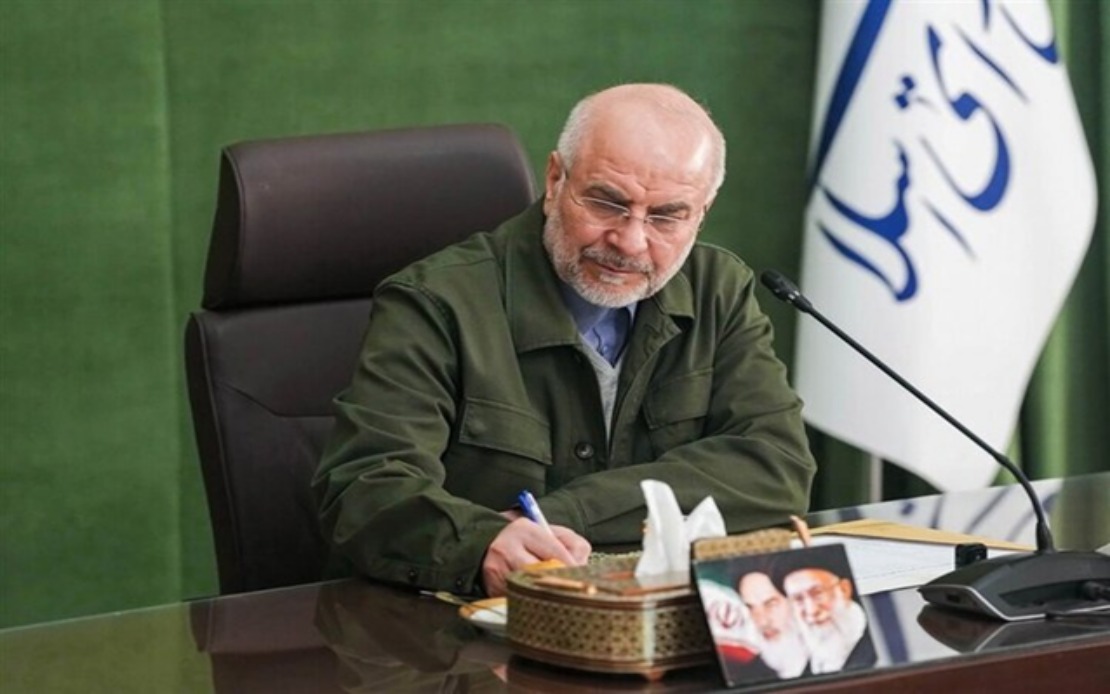
A fresh dispute over the allocation of Iran's released funds has emerged between Tehran and Washington, revealing the fragility of recent diplomatic progress even as both nations engage in structured negotiations toward a comprehensive nuclear settlement. Iranian Parliament Speaker Mohammad Bagher Ghalibaf, serving simultaneously as a leading figure in Iran's negotiating team, publicly disputed assertions from Washington that the unfrozen assets would necessarily flow toward American agricultural commodities. Speaking through social media on Thursday, Ghalibaf characterised the US position as a misrepresentation of Iranian intentions, employing metaphorical language to underscore the historical rupture between the two nations and suggesting that decades of mutual distrust remain the defining reality of their relationship.
The disagreement centres on a relatively narrow but symbolically significant question: how Iran's newly accessible funds—released as part of broader sanctions negotiations—should be deployed. United States Vice President JD Vance had asserted on Monday that the reinstated assets could feasibly be directed toward purchasing American soybeans, corn, and wheat. This assertion was amplified when President Donald Trump stated on Tuesday that the funds would be held within a US-controlled escrow arrangement with the explicit restriction that they be used exclusively for acquiring American food and pharmaceutical products, again emphasising corn, wheat, and soybeans as priority imports.
Iran's diplomatic and financial establishment has uniformly rejected this characterisation. Esmaeil Baghaei, speaking as the Iranian Foreign Ministry's official spokesperson, declared on Tuesday that Tehran maintains complete autonomy in determining how unfrozen resources are allocated, insisting that such decisions rest entirely on Iran's assessment of its national economic priorities. He further specified that purchasing criteria would be determined solely by competitive pricing and product quality rather than political considerations or external pressure. This position reflects a broader Iranian concern that accepting American-prescribed restrictions would constitute an infringement on national sovereignty and an implicit acknowledgement of Washington's right to dictate Iranian spending patterns.
Abdolnaser Hemmati, who leads Iran's Central Bank, offered a somewhat more nuanced perspective while maintaining the same fundamental position. Hemmati explicitly stated that Iran bears no obligation whatsoever to procure American agricultural goods, though he stopped short of categorically ruling out such purchases should American products demonstrate genuine competitive advantages in price and quality metrics. This formulation allows Iran theoretical flexibility while firmly rejecting any notion that purchasing American goods would be mandatory or predetermined.
The escalating disagreement illuminates a deeper fault line in the broader negotiating framework established between Iran and the United States. On June 18, both parties signed a memorandum of understanding designed to anchor 60 days of intensive negotiations aimed at resolving longstanding disputes over Iran's nuclear programme and the broader sanctions architecture. A subsequent round of formal discussions took place in Switzerland over the weekend and into Monday, suggesting that diplomatic machinery remains engaged despite mounting friction over implementation details.
For Malaysian observers and Southeast Asian policymakers monitoring these developments, the deteriorating tone carries several implications. The region's economic stability remains vulnerable to disruptions in global energy markets and sanctions regimes that affect major trading partners. Iran's historical role as an energy supplier and the potential ramifications of sustained confrontation with the United States carry material consequences for nations dependent on stable international commerce. Moreover, the visible inability of the two parties to maintain unified messaging even on relatively narrow technical matters regarding asset usage raises broader questions about whether the foundation exists for a durable comprehensive agreement.
The positioning adopted by each side reflects fundamentally incompatible assumptions about the nature of their relationship. The American insistence on controlling the deployment of unfrozen assets through an escrow mechanism and prescriptive purchasing requirements treats Iran as an entity requiring external oversight and constraint, a position that Iranian officials clearly find incompatible with national dignity and sovereignty. Iran's emphatic rejection of these conditions, conversely, signals that any final agreement will require Washington to accept Iranian autonomy regarding resource allocation even if American officials harbour doubts about how such funds might ultimately be deployed.
Historical precedent offers little comfort regarding the likelihood of resolving such disputes amicably. Previous negotiation cycles between Iran and Western powers have repeatedly faltered over questions of verification, implementation sequencing, and the breadth of Iranian discretion in interpreting agreement terms. The current emphasis by American officials on agricultural commodities—products with both genuine economic value and symbolic significance—suggests that Washington may be attempting to construct arrangements whereby tangible economic benefit flows to American constituencies, potentially framing sanctions relief as generating domestic advantage rather than primarily serving diplomatic objectives.
The rhetoric emanating from both capitals also reflects domestic political pressures. Ghalibaf's colourful language about harvesting mistrust addresses audiences within Iran who remain deeply sceptical of American intentions and fearful that agreements might ultimately disadvantage Iranian interests. American officials' emphasis on agricultural products appeals to domestic constituencies, particularly farming communities, by suggesting that sanctions relief mechanisms will generate commercial opportunities for American exporters. These parallel domestic narratives, while superficially reasonable in isolation, collide fundamentally when parties attempt to translate them into mutually acceptable operational frameworks.
The current disagreement, while focused narrowly on agricultural procurement, ultimately reflects the question of whether genuine normalisation between Iran and the United States remains achievable or whether both nations are destined to cycle through periodic episodes of negotiation punctuated by mutual recrimination and strategic repositioning. The 60-day window established in the June 18 memorandum provides a defined timeframe within which resolution must theoretically be achievable, yet the temperature of public dispute has already begun rising before substantive implementation discussions have fully commenced. For Southeast Asian nations with commercial interests across the broader Middle Eastern region and deep stakes in maintaining stable international trade frameworks, these developments warrant continued close attention.

