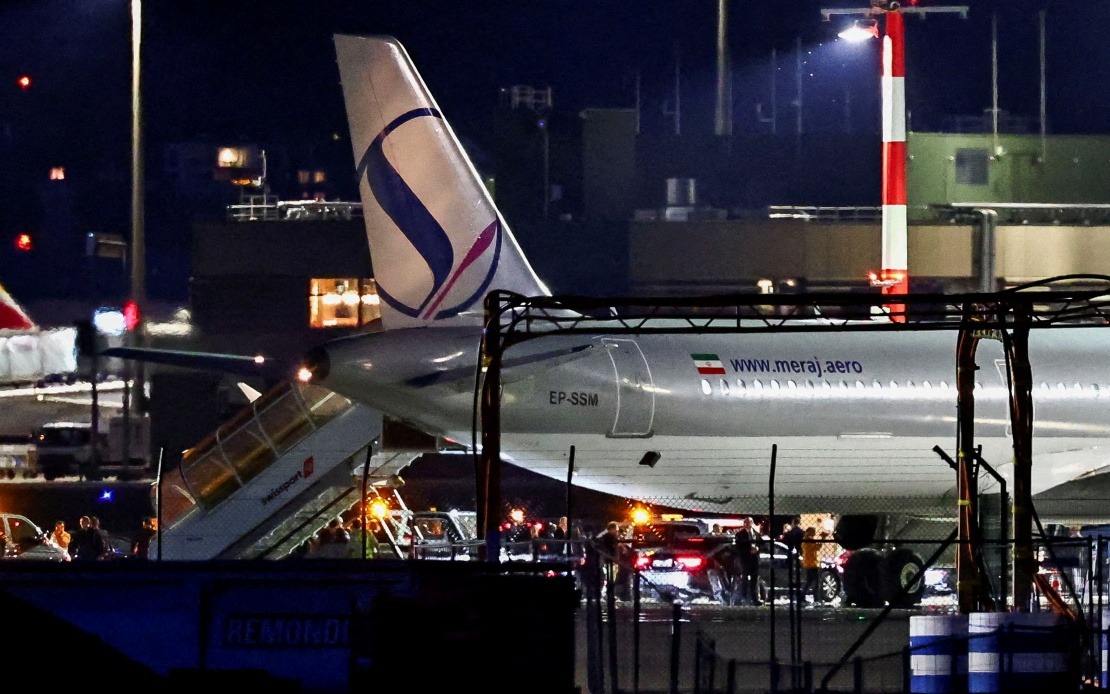
Fresh talks between Iranian and American delegations in Switzerland are expected to centre on concrete implementation of a memorandum that would reshape relations between the two longtime adversaries. Iranian Foreign Ministry spokesman Ismail Baghaei outlined the country's negotiating priorities on Sunday, signalling that Tehran intends to leverage the current diplomatic momentum to secure tangible economic relief and an end to regional hostilities. The focus on implementation rather than framework discussions signals that both sides may have moved beyond preliminary posturing and towards substantive bargaining on specific commitments.
Baghaei's statement reveals a carefully structured negotiating position rooted in the memorandum's architecture. According to the Iranian official, Article 13 establishes a critical sequencing: negotiations on a final, comprehensive agreement cannot proceed unless preceding articles addressing the ceasefire and initial economic measures are fulfilled first. This sequencing is strategically important for Tehran, as it prevents the process from becoming bogged down in endless preliminary talks while economic pressures continue. By anchoring discussions in this contractual framework, Iran is attempting to create binding obligations that the US administration must meet before broader negotiations commence.
The first priority, cessation of hostilities across all conflict zones, carries particular significance for regional stability and Iranian strategic interests. Article 1 of the memorandum mandates not only a permanent ceasefire between Iran and the United States but also an end to what Tehran characterises as broader regional warfare, specifically mentioning Lebanon. This formulation reflects Iran's perspective that American military presence and support for allied forces in the Middle East constitute an existential threat. For Malaysian policymakers and regional observers, this provision underscores how Middle Eastern conflicts remain intertwined with great-power competition, with consequences for regional shipping, energy prices and geopolitical alignment.
Articles 4 and 5 complement the ceasefire by addressing the military architecture underpinning US-Iran tensions. These provisions call for dismantling the American naval blockade that has constrained Iranian commerce and for withdrawing US military forces from nearby positions. Additionally, they establish protocols for ensuring safe passage through the Strait of Hormuz, a waterway through which roughly one-third of global maritime oil traffic passes. For Southeast Asian nations, particularly maritime economies and oil importers, stability in the Hormuz Strait has direct implications for energy security and shipping costs. Any Iranian-American understanding that clarifies navigation rights and reduces the risk of accidental escalation would benefit regional economies that depend on unimpeded Persian Gulf access.
The economic dimensions of the proposed memorandum address Iran's most pressing concerns after years of sanctions. Article 10 stipulates that the United States would issue waivers permitting Iranian oil exports and the financial services supporting them to resume. This provision alone could substantially alter global energy markets, potentially adding significant Iranian crude supply and exerting downward pressure on oil prices. Such a development would benefit oil-importing nations across Southeast Asia but would simultaneously challenge producers like Malaysia that rely on sustained crude prices for government revenue. Article 11 complements this by mandating the unfreezing of Iranian assets and funds held internationally, potentially releasing tens of billions of dollars into Iran's economy and substantially improving its capacity to service debt and fund development.
Baghaei's emphasis on reviewing implementation measures for Articles 10 and 11 suggests that technical details remain contested. The unfreezing of assets involves coordination across multiple jurisdictions and financial institutions, while oil export waivers require navigating complex international banking regulations. Both sides likely disagree on the pace, sequencing and verification mechanisms needed to ensure compliance. For Malaysia and other regional players, the speed at which these economic measures take effect will influence how rapidly Iran re-enters global markets and potentially what bilateral opportunities emerge for trade partnerships and investment.
The linking of ceasefire provisions to economic relief creates a comprehensive package that addresses both Iranian security anxieties and material hardship. By refusing to separate military from economic discussions, Tehran is attempting to ensure that any agreement serves its dual strategic objective: reducing the threat of American military action while simultaneously relieving the economic strangulation imposed by sanctions. This bundling approach also makes it harder for either side to cherry-pick elements, as the entire structure depends on interdependent implementation of military and economic measures.
The memorandum's structure reflects hard lessons both sides learned from previous negotiations and agreements. The specificity of numbered articles and their codependency suggests that negotiators recognised the dangers of vague commitments and unsequenced implementation. However, this precision also means that disputes over the interpretation or timing of individual articles could derail the entire process. The current focus on implementation measures, rather than renegotiation of terms, suggests that the broad outlines have been accepted, but substantial work remains on the mechanics of compliance and verification.
For the broader Middle East region and for international observers in Southeast Asia, these negotiations represent a potential inflection point in one of the world's most consequential geopolitical rivalries. Success would relieve acute tensions and could create space for regional actors to pursue independent diplomacy without fear of being trapped between Iran and America. Conversely, failure would likely intensify pressure on both sides and potentially encourage more aggressive postures. Malaysia and other Southeast Asian nations have interests in de-escalation but also face risks if regional instability drives energy price volatility or creates pressure to choose sides in great-power competition. The outcome of Swiss talks will therefore ripple far beyond the Middle East into the calculations of policymakers and investors across Asia.

