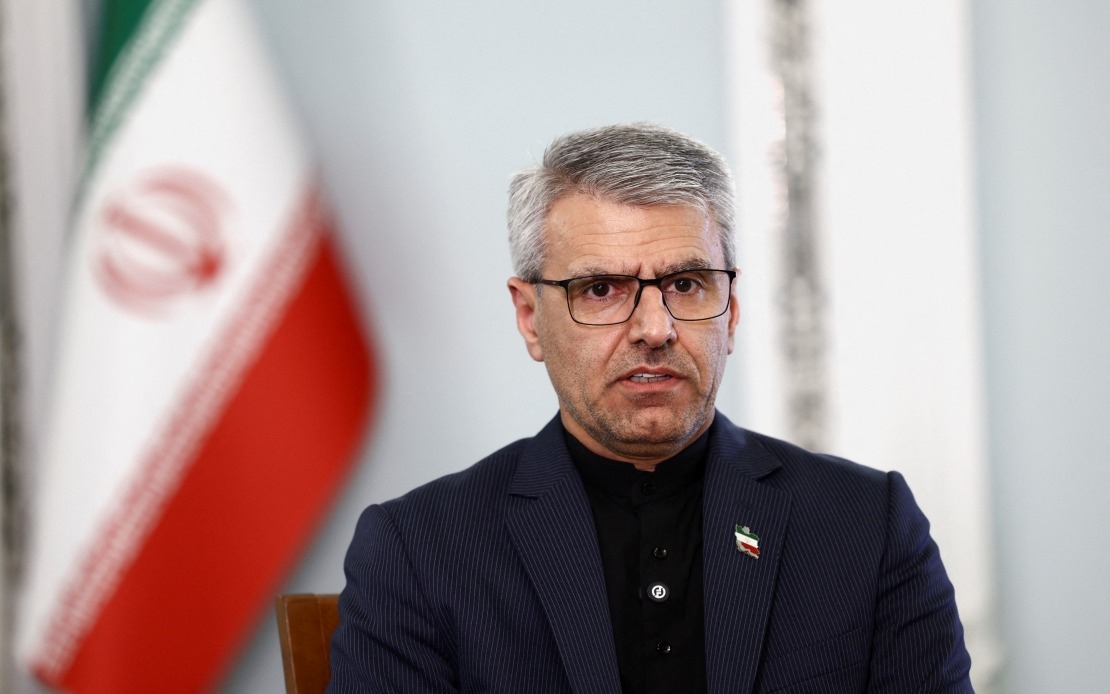
Iran has signalled meaningful progress following high-level diplomatic talks held in Switzerland, with officials indicating that both sides have reached consensus on several foundational steps needed to propel negotiations toward a comprehensive final agreement with the United States. Speaking after the intensive four-party discussions in Burgenstock, Iran's Foreign Ministry spokesman Esmaeil Baghaei characterised the outcomes as "important steps" that would create the necessary conditions for substantive negotiations to commence, though he cautioned that success would ultimately depend on demonstrated commitment from Washington.
The establishment of what has been termed a "deconfliction cell" represents one of the more significant tangible outcomes of the talks. This monitoring mechanism, which will involve participation from international mediators, has been specifically designed to oversee adherence to ceasefire agreements and ensure that hostilities remain suspended, with particular emphasis on developments affecting Lebanon and the broader regional security landscape. The creation of such an institutional framework suggests that both parties recognise the need for structured mechanisms to manage potential flashpoints and verify compliance as negotiations proceed.
Among the other substantive areas where discussions have yielded movement is the question of Iranian oil sales and the release of assets that have been frozen or otherwise restricted under international sanctions regimes. Baghaei indicated that the talks produced meaningful progress on both fronts, including movement toward agreement on the procedures and licensing mechanisms that would permit Iran to resume petroleum exports at levels compatible with the terms of any final accord. The status of Iran's blocked financial resources, a longstanding point of contention, also appears to have received constructive attention from negotiators on both sides.
The talks also addressed maritime security concerns centred on the Strait of Hormuz, one of the world's most strategically critical waterways through which millions of barrels of global petroleum trade pass daily. Negotiators agreed to establish a dedicated mechanism specifically charged with safeguarding maritime security and ensuring safe passage for commercial shipping through this vital conduit. Given the region's historical tensions and the economic importance of unimpeded flow through the Strait, this agreement carries significance well beyond the bilateral US-Iran dynamic and touches on broader international commerce and stability.
The work undertaken in Burgenstock was not limited to these headline items. Rather, Baghaei made clear that technical teams representing both nations will continue their collaborative efforts on the range of issues touched upon during the high-level talks, as well as on other matters determined to be essential for proper implementation of any memorandum of understanding that may emerge from these negotiations. This suggestion of ongoing technical discussions indicates that the diplomatic process is expected to extend beyond the initial high-level engagement, with specialists tasked with working through the granular details that often prove decisive in international agreements.
The talks themselves took place under the auspices of mediators Qatar and Pakistan, nations that have positioned themselves as facilitators in regional diplomatic efforts. In a joint statement released following the conclusion of what has been characterised as the first round of substantive high-level discussions, the two mediators announced that the parties had elaborated a roadmap intended to culminate in a final peace agreement within a 60-day timeframe. This compressed timeline, while ambitious, reflects the apparent urgency both sides place on resolving the dispute and establishing a durable framework for future relations.
The negotiations themselves are being conducted under the framework of a memorandum signed in the preceding week, which has been formally designated as intended to terminate the US-Israeli military campaign that commenced on February 28. The explicit linkage between these talks and the broader regional conflict underscores the interconnected nature of contemporary Middle Eastern diplomacy, where nuclear arrangements cannot be negotiated in isolation from questions of regional security, proxy conflicts, and the interests of allied parties.
For Malaysia and other Southeast Asian nations, the implications of progress in these talks merit careful consideration. A stabilised relationship between Washington and Tehran would likely contribute to reduced regional tensions that have historically affected global energy markets and shipping routes upon which Southeast Asian economies are substantially dependent. Moreover, any agreement that clarifies Iran's international status and reintegrates it into global commerce could reshape trade patterns and investment flows across Asia.
Baghaei's cautionary note regarding the need for American "seriousness" in the implementation phase hints at underlying scepticism about whether good-faith negotiations will translate into substantive agreements. Historical precedent in US-Iran relations provides ample material for such wariness, given the reversals that have occurred in previous diplomatic initiatives. The 60-day timeline for concluding negotiations thus represents not merely a schedule but a test of whether both parties possess the political will necessary to overcome the profound mutual suspicion that has characterised their relationship for decades.

