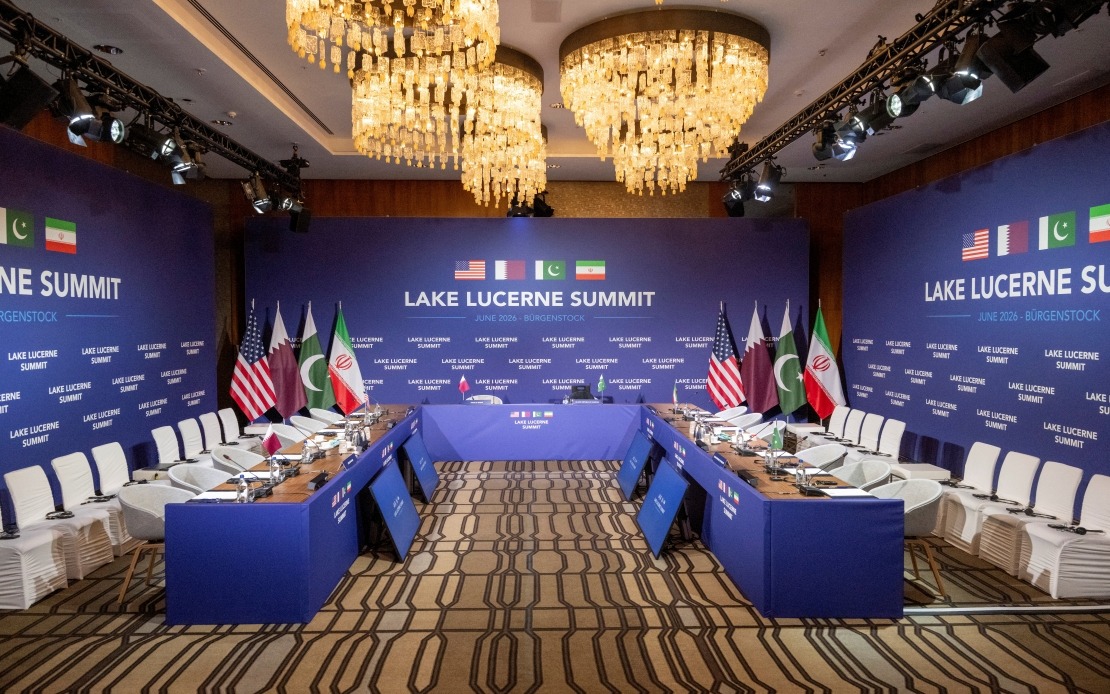
Diplomatic representatives from Iran and the United States have taken a significant step forward in their negotiations by establishing dedicated technical working groups tasked with hammering out the specifics of a final peace agreement. The announcement came from Qatari Foreign Ministry spokesperson Majed Al-Ansari, signalling that substantive progress is being made in talks held at the Burgenstock alpine resort in Switzerland. Both nations, alongside mediator states Pakistan and Qatar, have committed to a structured negotiating framework designed to produce a comprehensive accord within a 60-day timeframe.
The formation of these technical groups represents a methodological shift in how the parties are approaching their discussions. Rather than conducting broad-based negotiations across all issues simultaneously, the delegations have opted for a compartmentalised approach where specialised teams focus on distinct components of the memorandum of understanding that underpins the negotiations. This strategy allows negotiators with technical expertise in particular domains to develop detailed language and frameworks tailored to their specific areas of responsibility, potentially accelerating the path toward consensus.
Parallel to the technical working groups, the parties have also established monitoring mechanisms designed to track implementation progress and ensure adherence to agreements already reached. These oversight bodies will serve as a safeguard mechanism, allowing all sides to verify that commitments are being honoured and identifying any potential compliance issues before they escalate into broader disputes. The dual-track approach—combining forward-moving negotiations with backward-looking verification—reflects lessons learned from previous international agreements where implementation failures undermined diplomatic achievements.
According to Al-Ansari, the establishment of this formal structure demonstrates what all parties characterise as a commitment to good-faith negotiations aimed at producing a durable settlement. The emphasis on sincerity and sustainable resolution language suggests that negotiators recognise the fragility of previous attempts at rapprochement between Washington and Tehran. Both nations have experienced cycles of diplomatic engagement followed by rupture, making the current emphasis on comprehensive rather than incremental agreements significant.
For Southeast Asian observers, the Iran-US negotiation dynamics carry regional implications. Any stabilisation of US-Iran relations could alter the balance of power in the Middle East, potentially affecting energy markets, shipping routes through the Strait of Hormuz, and broader geopolitical calculations that impact ASEAN countries' strategic positioning. Malaysia, as a major energy importer and a nation with historical diplomatic ties to various Middle Eastern actors, has interests in seeing sustainable peace emerge from these talks.
The 60-day deadline imposed by the negotiators represents an ambitious but achievable target if the technical groups maintain momentum. This timeline suggests that major outstanding issues have already been substantially narrowed through earlier discussions, with the current phase focused on translating broad principles into precise contractual language. The compressed schedule also creates pressure on delegations to finalise positions, potentially breaking logjams that might otherwise persist indefinitely in traditional diplomatic timelines.
Pakistan and Qatar's roles as mediators deserve particular attention, as their willingness to facilitate these talks despite regional tensions demonstrates the value of neutral intermediaries in intractable disputes. Qatar's sophisticated diplomatic infrastructure, developed through its experience hosting numerous international negotiations, provides a neutral venue and institutional capacity that neither party could offer unilaterally. Pakistan's engagement reflects its strategic interest in regional stability and its longstanding relationships with both Iran and Western powers.
The technical working groups' focus on "all aspects of the memorandum of understanding" indicates that the scope is deliberately comprehensive rather than limited to a single contentious issue. This breadth suggests negotiations encompass economic sanctions, nuclear-related matters, regional security concerns, and potentially humanitarian considerations. The compartmentalisation allows negotiators to trade concessions across different domains, creating flexibility that single-issue negotiations cannot provide.
Sustainability remains the watchword in these negotiations. The inclusion of monitoring mechanisms from the outset, rather than as an afterthought, indicates that the parties have internalised the reality that formal agreement signing is merely the beginning of implementation challenges. By establishing oversight structures now, negotiators are attempting to build confidence that neither party will unilaterally abandon the accord once signed, a concern that has plagued previous international agreements.
The deliberate structure established at Burgenstock reflects diplomatic maturation on both sides. Rather than conducting high-profile grandstanding negotiations designed for domestic political consumption, the parties appear focused on technical competence and detailed agreement-drafting. This suggests that political decision-makers in both Washington and Tehran have concluded that their citizens and regional allies demand genuine resolution rather than theatrical diplomatic performances.
The success of these working groups will be measured not merely by whether they produce a draft agreement within the stipulated timeframe, but whether that agreement proves durable and implementable. Previous Iran nuclear agreements have foundered when political circumstances changed or when implementation revealed gaps in the negotiated text. The current effort to establish comprehensive frameworks and monitoring mechanisms suggests negotiators are determined to avoid such pitfalls.

