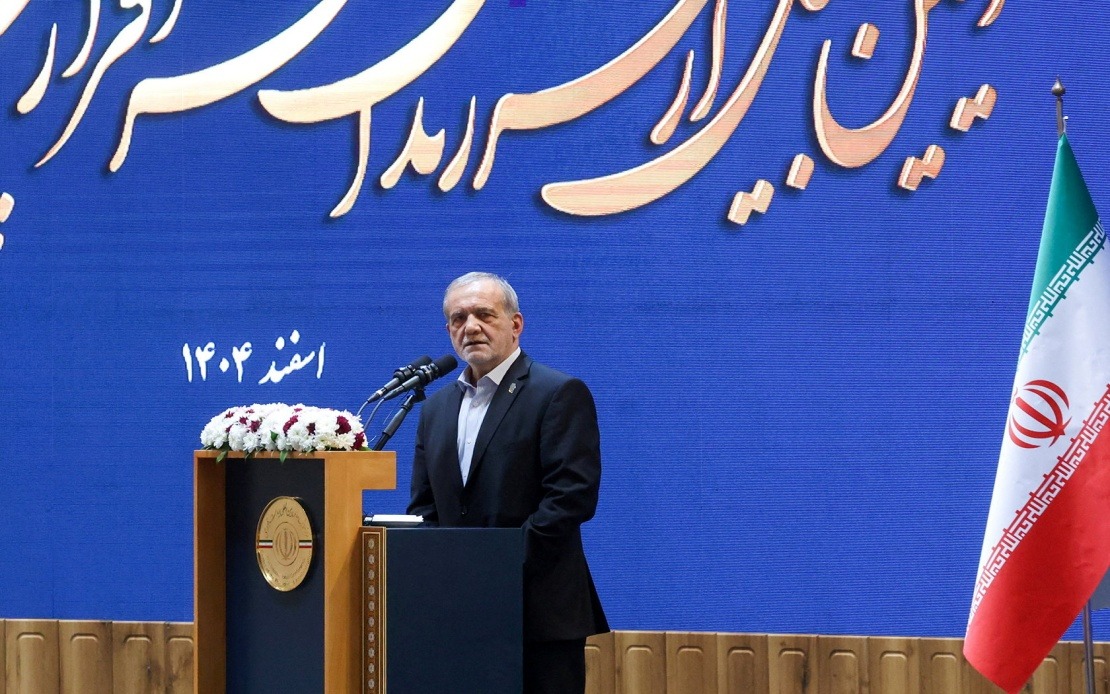
Iranian President Masoud Pezeshkian has signalled that Tehran could be prepared to formalise its nuclear commitments through a written declaration explicitly renouncing the pursuit of atomic weapons. Speaking in early statements during a critical phase of negotiations, Pezeshkian indicated that if required as part of broader diplomatic settlement, Iran would be willing to commit such assurances to paper rather than rely solely on verbal undertakings or public statements. The proposition represents a potential softening of positions that have historically characterised Iran's approach to nuclear transparency, though the Iranian government has consistently maintained its non-weapons orientation.
The timing of these remarks coincides with renewed engagement between Iranian and American representatives, who convened in Switzerland on Sunday to commence negotiations aimed at establishing a comprehensive and durable accord governing Iran's nuclear programme. Both delegations began their discussions following the conclusion of a preliminary understanding earlier in the week, setting in motion a structured timeline for achieving substantive agreements. According to the framework established through this memorandum of understanding, negotiators have been allocated a 60-day window within which to finalise the terms of a definitive settlement addressing the nuclear question that has remained a central flashpoint in international relations for years.
Pezeshkian's comments regarding a potential written declaration do not explicitly clarify whether such a mechanism has been formally proposed or constitutes part of the active negotiating agenda. The ambiguity surrounding the status of this option reflects the sensitivity surrounding ongoing diplomatic efforts, where premature disclosure of negotiating positions could complicate the delicate balance required to move discussions forward. Both sides remain cautious in public messaging while attempting to maintain momentum toward a comprehensive resolution.
The Iranian leadership has consistently framed its nuclear programme as driven by civilian and energy needs rather than military objectives. Pezeshkian emphasised this position by invoking the religious teachings of former supreme leader Ali Khamenei, though his reference to Khamenei warrants scrutiny given that subsequent reporting indicates Khamenei was killed in US-Israeli strikes. Pezeshkian cited religious grounds upon which the former supreme leader had previously rejected weapons of mass destruction development, attempting to anchor Iran's stated non-weaponisation stance within the framework of religious jurisprudence and theological principles that carry weight in the Islamic Republic's decision-making structures.
The nuclear question has persistently dominated Iran-US relations since the original Joint Comprehensive Plan of Action in 2015, which was subsequently abandoned by the Trump administration in 2018. Restoration of such an agreement, or creation of an alternative framework acceptable to both parties, requires addressing longstanding concerns regarding transparency, verification mechanisms, and the scope of permitted nuclear activities. The present negotiations represent an attempt to bridge these fundamental disagreements through sustained dialogue.
From a regional perspective, Iran's nuclear programme remains a significant concern for several Southeast Asian nations with strategic interests in Middle Eastern stability and freedom of navigation through critical waterways. Malaysia and other regional states have maintained diplomatic channels with both Washington and Tehran, recognising that resolution of the nuclear dispute could have profound implications for global energy security and regional geopolitical balance. The outcome of current negotiations will likely influence regional alignment and economic relationships across Asia.
Pezeshkian expressed optimism regarding the trajectory of negotiations with Washington, characterising the agreements reached thus far as substantially favouring Iranian interests. This optimistic assessment suggests that Iranian negotiators perceive the current diplomatic framework as more receptive to their positions than previous engagement attempts. The president's confidence, however, must be weighed against the historical pattern of failed negotiations and the domestic political pressures both sides face.
A concrete initial step toward implementation involves the release of USD 6 billion in frozen Iranian assets currently held in Qatar, representing compensation for oil sales previously blocked by US sanctions. This financial component serves as both a tangible confidence-building measure and a mechanism to demonstrate quick wins that can sustain political support for continued negotiations on both sides. The unfreezing of these assets would provide meaningful economic relief to Iran while signalling American willingness to reciprocate Iranian flexibility.
The involvement of Qatar as custodian of these frozen funds reflects Doha's positioning as a neutral intermediary with diplomatic relationships across sectarian and geopolitical divides. Qatar's willingness to facilitate financial arrangements demonstrates the multilateral dimension of efforts to resolve the nuclear dispute, with regional actors playing supporting roles in stabilising the international system. This intermediary role underscores how complex international crises require engagement beyond bilateral frameworks.
The success of the 60-day negotiation period will depend substantially on whether both parties can translate general statements of willingness into concrete technical agreements addressing inspection protocols, uranium enrichment levels, and timeline provisions for sanctions removal. A written Iranian declaration renouncing nuclear weapons development, while symbolically significant, would require supporting verification mechanisms and enforcement provisions to achieve meaningful acceptance from international stakeholders, particularly in the Gulf region and among permanent members of the UN Security Council.
For Malaysia and the wider Southeast Asian region, progress toward Iranian nuclear settlement would reduce geopolitical tensions that indirectly affect regional stability through impacts on energy pricing, insurance costs for maritime commerce, and the strategic orientation of neighbouring states. An agreement would also create space for greater economic engagement between Iran and Southeast Asian nations in areas such as trade, investment, and energy cooperation that have been constrained by sanctions and international tensions.

