Iran's Parliament Speaker Mohammad Bagher Qalibaf, who serves as the country's chief negotiator on regional matters, touched down in Oman on Monday alongside Foreign Minister Abbas Araghchi to explore fresh arrangements governing one of the world's most critical maritime corridors. The visit, which followed intensive negotiations with American representatives in Switzerland just days earlier, signals Tehran's intention to address the complex geopolitical tensions surrounding the Strait of Hormuz through diplomatic engagement with neighbouring Gulf nations.
Omani Foreign Minister Badr Albusaidi received Qalibaf upon his arrival, underscoring the strategic importance Muscat attaches to the discussions. The timing of the visit reflects broader efforts to capitalise on what both sides characterise as a positive diplomatic opening, particularly following the recent agreement between Iran and the United States that both capitals are now working to implement. For Malaysia and other Southeast Asian nations that depend heavily on Hormuz shipping lanes for energy supplies and commerce, these negotiations carry significant implications for regional stability and trade security.
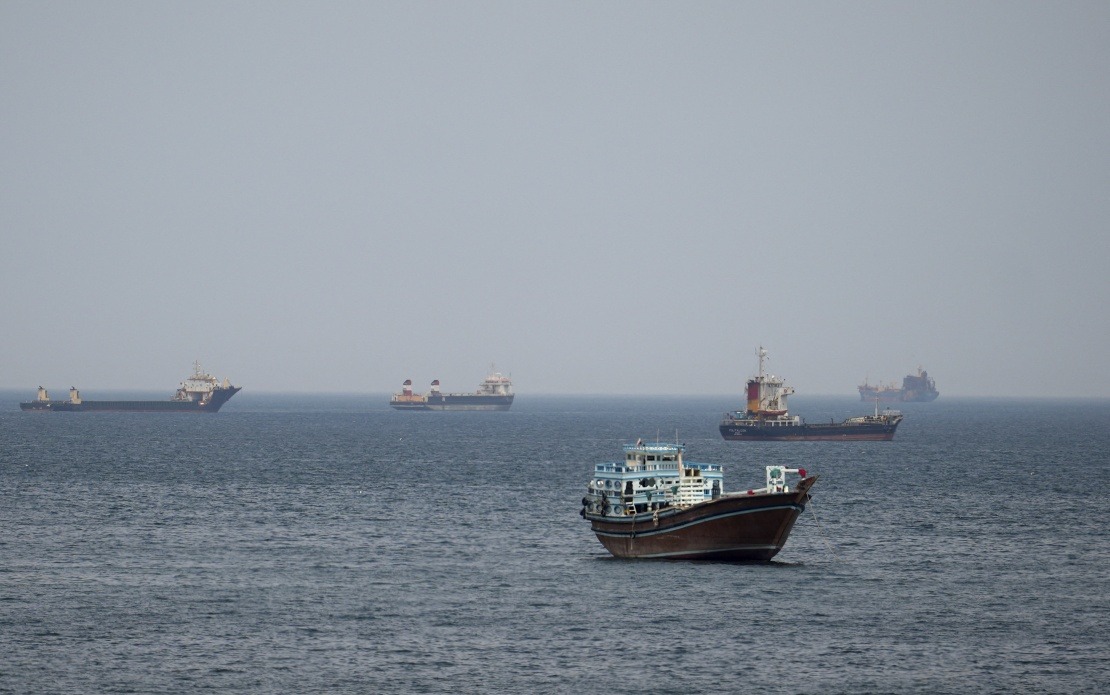
The proposed management framework for the Strait of Hormuz represents an ambitious attempt to establish multilateral rules governing one of the world's most strategically vital waterways. Through which roughly one-third of globally traded seaborne petroleum passes, the strait has long been a flashpoint for regional tensions. By engaging Oman, a nation respected for its diplomatic neutrality and long-standing commitment to mediation in Gulf disputes, Iran appears to be pursuing a consensual approach rather than unilateral actions that could further destabilise the region.
Qalibaf's marathon negotiating session with American officials in Switzerland just 24 hours before the Oman visit demonstrates the intense pace of diplomatic activity currently underway. The talks, which stretched across 18 hours and operated under the mediation of Pakistan and Qatar, focused on translating the recently signed memorandum of understanding between Tehran and Washington into practical implementation mechanisms. These parallel tracks—simultaneously negotiating with the West while consulting with Gulf neighbours—suggest Iran is attempting to balance competing strategic objectives and secure regional buy-in for any emerging arrangements.
Oman's role as convenor of these discussions reflects its historical position as the Gulf's honest broker. The sultanate has consistently maintained pragmatic relationships across the region's sectarian and political divides, making it an ideal venue for multilateral negotiations that might prove contentious elsewhere. Muscat's willingness to host these discussions, combined with statements emphasising the importance of using the current diplomatic window to advance de-escalation, suggests the sultanate views the moment as crucial for preventing further militarisation of the Strait of Hormuz and safeguarding regional shipping.
Both Tehran and Muscat have publicly stressed their commitment to preserving security in the waterway and ensuring freedom of navigation for international vessels. This framing carries particular weight for nations like Malaysia that lack direct involvement in regional disputes but whose economic wellbeing depends entirely on unobstructed passage through these waters. The emphasis on international law and good neighbourliness suggests that any emerging framework would emphasise rules-based approaches rather than unilateral assertions of control or blockade threats that have periodically threatened maritime commerce.
The visit also includes plans for Qalibaf to meet with Omani Sultan Haitham bin Tariq, indicating that discussions will extend beyond the immediate technical question of Hormuz management to broader bilateral cooperation and regional coordination. This broader diplomatic engagement suggests that the two nations may be exploring complementary interests across multiple domains, potentially strengthening their partnership on security matters affecting the wider Gulf region.
For Southeast Asian readers monitoring these developments, the significance extends beyond academic interest in diplomatic procedures. The Strait of Hormuz represents the primary chokepoint through which energy destined for Asian markets flows, making any destabilisation there a direct threat to regional economic security. Previous tensions in the strait, including shipping attacks and threats of closure, have spiked energy prices globally and disrupted supply chains that Malaysia and its neighbours depend upon for manufacturing and exports.
The current diplomatic initiative, by contrast, appears designed to establish predictable rules and mechanisms that reduce the likelihood of sudden escalations or miscalculations. By engaging in structured dialogue with Oman as mediator, Iran seems intent on demonstrating that its regional ambitions can be pursued through negotiation rather than confrontation. Whether these efforts succeed depends partly on whether all relevant stakeholders, particularly the United States and regional Gulf states, remain committed to the diplomatic process despite the numerous contentious issues separating them.
The broader context matters considerably for understanding what is at stake. Relations between Iran and the West have swung dramatically over recent years, from the nuclear agreement to its partial abandonment and subsequent re-engagement. Throughout these oscillations, maintaining stable shipping through the Strait of Hormuz has remained a fundamental interest for virtually all major powers and trading nations, regardless of their alignment with Tehran or its adversaries. This convergence of interest provides the foundation upon which the current negotiations rest.
As these talks progress, Malaysian policymakers and business leaders would be wise to monitor developments closely. Any framework that successfully reduces uncertainty and establishes clear protocols for maritime passage would benefit regional economies significantly. Conversely, any breakdown in negotiations or return to confrontational posturing could quickly reverse the current positive momentum and threaten the energy security and trade flows that Southeast Asian prosperity depends upon.

