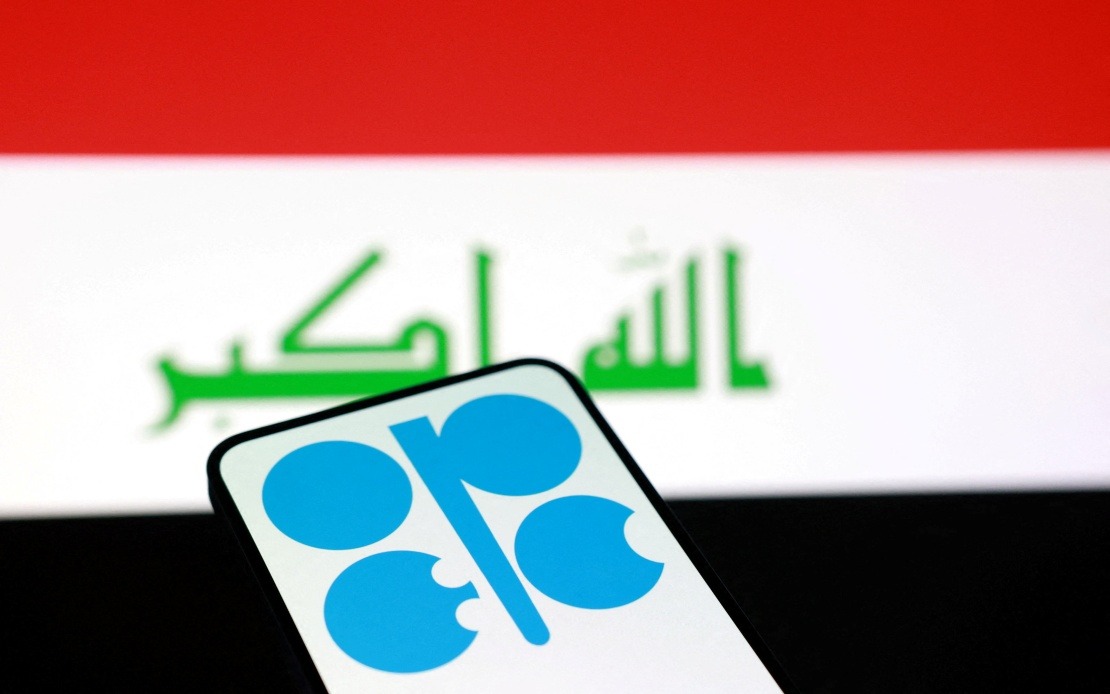
Iraq has moved swiftly to dismiss speculation about a potential withdrawal from OPEC, with the country's Oil Ministry issuing a formal statement denying that Baghdad is considering leaving the Organisation of the Petroleum Exporting Countries. The clarification came after international media reports suggested Iraq might reconsider its membership if its production quota remained unchanged, a narrative the ministry said misrepresented the government's actual position on its role within the cartel.
According to the ministry's official statement, neither Prime Minister Mohammed Shia Al-Sudani's administration nor any government body has ever raised the prospect of exiting OPEC. The denial underscores Iraq's desire to maintain its standing within the 13-member organization and avoid the diplomatic complications that would accompany any serious withdrawal threat. Instead, Iraq has been pursuing a more measured approach to its grievances, focusing on technical discussions about how production quotas should be determined going forward.
The core of Iraq's argument centres on the need for OPEC to reassess production ceilings in ways that reflect each member state's actual sustainable production capacity. Baghdad contends that its quota should be calibrated according to the nation's geological and technical capabilities, alongside broader considerations of Iraq's unique economic and security circumstances. This framing allows Iraq to advocate assertively for higher output without the confrontational language that a withdrawal threat would entail, while still making clear that the current arrangement is unsatisfactory.
Oil Ministry spokesman Salim Al-Rikabi reiterated Iraq's commitment to working within OPEC's established structures and mechanisms, emphasizing that Baghdad intends to expand production in line with what the country can technically deliver. The spokesman's remarks essentially separated Iraq's commitment to the organization from its demand for a more generous allocation, suggesting the two positions need not be mutually exclusive. This diplomatic balancing act reflects Baghdad's need to remain inside OPEC's tent while making its case for additional production rights.
Iraq's position gains added weight from a review process already underway within OPEC and its allied producers. The cartel has commissioned an independent international consulting firm to assess the maximum sustainable production capacity of each member state, with Iraq participating actively in these technical evaluations. The results of this capacity review are expected to inform production quota decisions for 2027, potentially providing Baghdad with a mechanism to legitimize claims for higher output based on objective technical analysis rather than subjective negotiation.
The timing of this reassessment is strategically significant for Iraq. OPEC and its partners have begun gradually restoring production levels that were previously cut as part of voluntary supply management agreements. Within coming months, the organization is scheduled to complete the full unwinding of these production reductions, a process that should automatically raise Iraq's production ceiling even without explicit quota renegotiation. This gradual restoration provides Iraq with a pathway to increased output without forcing a confrontation with other member states opposed to wholesale quota reforms.
Baghdad's case rests substantially on historical grievances and the nation's exceptional circumstances. Iraq has endured more than four decades of wars, international embargoes, and widespread infrastructure damage, including deliberate sabotage attacks on oil facilities by extremist groups. These factors have severely constrained the country's ability to maintain and expand its production base compared to peers with more stable operating environments. The Oil Ministry argues that OPEC member states have demonstrated understanding of this special situation and should adjust their policies accordingly.
Iraq's aspiration to return to its historical position as OPEC's second-largest producer underscores the strategic importance of this quota dispute. Once a dominant force in global oil markets, Iraq has seen its influence diminish as other member states have invested heavily in production infrastructure and technological advancement. Restoring Iraq to its former ranking would require sustained capacity additions and, critically, OPEC consent to production quotas that reflect those expanded capabilities.
For Malaysia and other Southeast Asian nations, Iraq's push for higher OPEC output carries important implications. Increased Iraqi production could contribute to greater global oil supply, potentially moderating prices that affect energy costs across the region. However, the dispute also highlights ongoing tensions within OPEC between maximalist producers seeking higher quotas and more conservative members preferring to maintain tight supply management. How these internal conflicts resolve will shape oil market dynamics that influence inflation and economic growth across Southeast Asia.
The technical capacity review initiated by OPEC+ represents a potentially important shift in how the cartel approaches quota-setting. Moving from purely political negotiation toward assessment by independent technical experts could create space for countries like Iraq to make data-driven cases for higher production. This methodology aligns with broader global trends toward evidence-based policymaking and may reduce the perception of OPEC quotas as arbitrary allocations favoring certain members.
Iraq's dual strategy of affirming commitment while pressing for reassessment reflects a sophisticated understanding of OPEC dynamics. Rather than threaten disruption, Baghdad has chosen to work within the cartel's frameworks while making its case through technical channels and emphasizing its exceptional circumstances. This approach maintains Iraq's position as a cooperative member while clearly signaling that the status quo is unsustainable from Baghdad's perspective.
The coming months will be crucial for determining whether Iraq's patience with the reassessment process pays dividends. If the independent capacity review validates Iraqi claims about production potential and OPEC+ accommodates these findings in 2027 quota discussions, Baghdad's diplomatic approach will have succeeded. Conversely, if the cartel resists quota adjustments despite technical evidence, renewed pressure for fundamental changes to Iraq's OPEC relationship may intensify.

