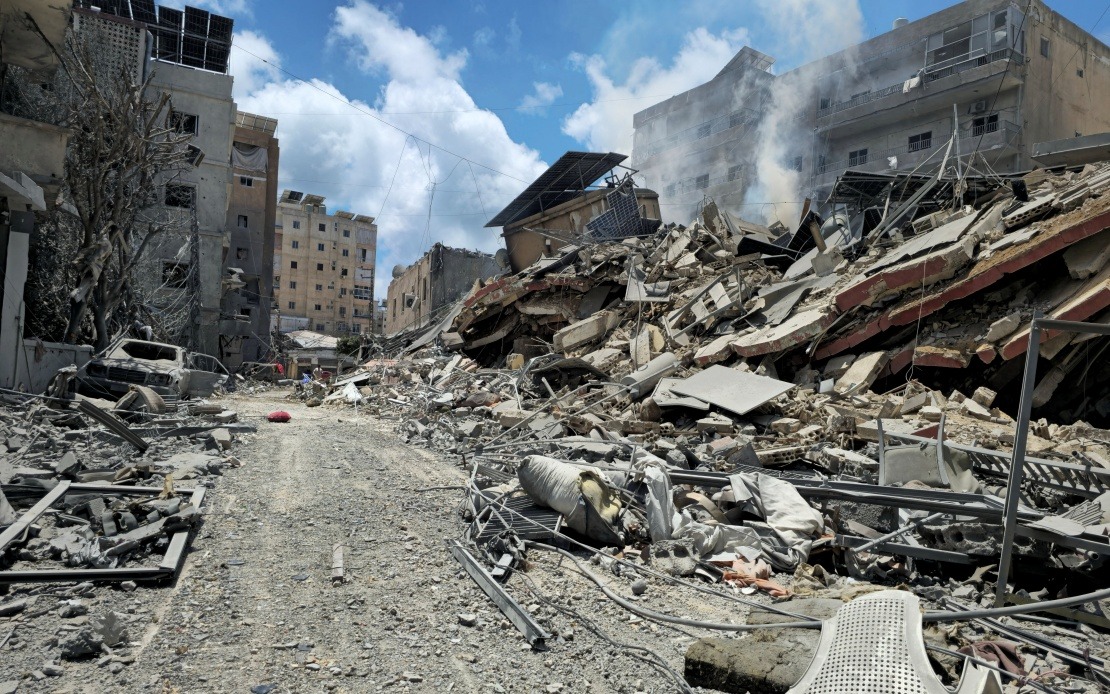
Japan has committed itself to providing US$15 million in emergency humanitarian assistance to support vulnerable populations across West Asia, according to Foreign Minister Toshimitsu Motegi. The announcement reflects Tokyo's ongoing concern about escalating humanitarian crises affecting the strategically important region and underscores Japan's diplomatic commitment to alleviating suffering beyond its borders.
The distribution of Japan's aid package reveals the severity of humanitarian conditions across multiple conflict zones. Approximately US$10 million has been earmarked for Iran, which continues grappling with the fallout from regional tensions and internal challenges. Lebanon, already mired in economic collapse and political paralysis, will receive around US$4 million, while Palestinian communities in the West Bank have been allocated US$1 million to address pressing needs stemming from prolonged displacement and instability.
The assistance will flow through established international organisations rather than direct government-to-government channels, a mechanism that ensures efficient distribution and accountability in complex operating environments. This approach allows Japan to navigate the intricate geopolitical landscape while maximising the humanitarian impact of its contribution. Food supplies, essential medical materials, and other critical relief items form the core of this assistance package, addressing immediate survival needs in regions where basic services remain disrupted or inaccessible.
Motegi's statement at a Tokyo news conference emphasised the strategic importance Japan assigns to Middle Eastern stability. For an island nation heavily dependent on energy imports and free navigation through vital shipping lanes, regional peace directly translates to economic security and prosperity. The Middle East's geographic position linking Asia, Europe, and Africa makes its stability a concern for all major trading nations, and Japan's willingness to contribute to humanitarian stabilisation reflects enlightened self-interest alongside genuine concern for civilian welfare.
The persistent humanitarian challenges facing West Asia stem from layered crises: armed conflict, economic collapse, refugee populations, healthcare system breakdowns, and disrupted supply chains. Iran faces international sanctions coupled with regional tensions that strain its ability to feed and provide medical care for ordinary citizens. Lebanon's currency has lost most of its value, pushing millions into poverty and making imported medicines and food increasingly unaffordable. Palestinian territories experience restrictions on movement and resource access that complicate even basic survival.
Japan's diplomatic positioning through this aid initiative demonstrates careful triangulation. Tokyo maintains relationships with multiple regional actors while avoiding alignment with any particular faction, allowing it to serve as a neutral humanitarian broker. This stance contrasts with more polarised international approaches and positions Japan as a reliable partner for pragmatic, non-politicised assistance. For Malaysia and other Southeast Asian nations similarly balancing competing relationships in the region, Japan's model offers instructive lessons in maintaining diplomatic flexibility while addressing humanitarian imperatives.
The timing of this announcement carries significance within evolving Middle Eastern dynamics. As various regional powers compete for influence and resources, Japan's humanitarian engagement serves as a counterbalance to purely strategic calculations. By demonstrating that developed nations can contribute meaningfully to civilian welfare regardless of geopolitical divisions, Japan subtly reinforces a universal values framework centred on human dignity and shared responsibility for vulnerable populations.
Motegi's commitment to continued cooperation with relevant governments and international bodies indicates that this US$15 million represents part of a longer-term Japanese strategy rather than a one-time gesture. Sustained engagement across multiple channels—bilateral relationships, multilateral organisations, and humanitarian networks—allows Japan to build influence gradually while genuinely improving conditions for affected populations. This patient approach contrasts with more dramatic but sometimes unsustainable interventions.
For Malaysia's policy community, Japan's humanitarian diplomacy in West Asia offers relevant precedent. As ASEAN nations increasingly engage with Middle Eastern partners through trade, investment, and strategic dialogue, balancing commercial interests with humanitarian concerns becomes increasingly important. Japan's approach demonstrates how developed economies can maintain credibility and soft power through consistent commitment to crisis relief, independent of short-term political calculations.
The allocation formula itself reveals priorities and assessment of need intensity. The largest share going to Iran reflects assessment of critical humanitarian strain, while the smaller allocations to Lebanon and Palestinian territories acknowledge different but equally serious challenges. This differentiated approach suggests Japanese policymakers conducted careful analysis of ground conditions rather than distributing aid equally across beneficiary categories. Such sophistication in needs assessment enhances the effectiveness of humanitarian assistance and models best practices for other donor nations.
Regional stability ultimately depends on addressing root causes of displacement, suffering, and grievance. While emergency aid provides essential immediate relief, Japan's statement positioning this assistance within a broader framework seeking durable peace and stability hints at recognition that humanitarian assistance alone cannot resolve underlying structural problems. The willingness to engage diplomatically on stability questions demonstrates understanding that Japan's long-term interests require not merely temporary alleviation of suffering but fundamental improvements in regional conditions.

