Japan's mountain rescue authorities confronted an unprecedented crisis in 2025 as stranding incidents in alpine regions soared to 3,623 people, shattering the previous year's record and marking the highest figure since systematic data collection began in 1961. The surge reflects not only growing recreational activity in Japanese mountains but also a troubling trajectory in outdoor accident patterns that demands urgent attention from both government agencies and the tourism sector.
The escalation has proved dramatic across multiple measures. The total number of incidents—separate events rather than individual people affected—climbed to 3,122, representing a jump of 176 from 2024. When combined with casualty figures that similarly broke records, the data paints a picture of increasing strain on Japan's mountain rescue infrastructure and a rising toll on human life. Among the stranded individuals, 332 died or went missing in 2025, up 32 deaths or disappearances year-on-year, while 1,480 sustained injuries, a concerning increase of 90 cases.
Demographic analysis reveals that Japan's ageing population directly influences these statistics. Nearly half of all mountain stranding victims—47.6 percent—were aged 60 or older, underscoring how seniors increasingly pursue outdoor recreation without necessarily possessing the physical conditioning or experience required for safe alpine navigation. This demographic trend mirrors broader societal patterns in Japan and carries significant implications for Southeast Asian countries with rapidly ageing populations, where mountain tourism and trekking remain popular retirement activities.
The fundamental causes behind many incidents remain consistent and largely preventable. Exactly 30.9 percent of those stranded became lost during their mountain expeditions, suggesting that inadequate navigation skills, failure to consult maps or guides, and overestimation of personal capabilities contribute substantially to the crisis. Weather-related incidents, equipment failures, and medical emergencies account for the remainder, illustrating how multiple risk factors converge on Japan's mountains.
Foreign visitors represent the fastest-growing and most troubling segment of the stranding problem. The number of international tourists who became stranded surged by 111 from the previous year, reaching 246 people—themselves a record high. The National Police Agency began tracking comparable data on foreign visitors only in 2018, yet within seven years the numbers have grown substantially. The 174 separate incidents involving foreign visitors increased by 75, suggesting both explosive growth in international mountain tourism and potentially inadequate pre-expedition briefing or preparation among visitors unfamiliar with Japanese alpine conditions.
Among foreign stranded individuals, backcountry skiers and climbers accounted for 203 people, or 80 percent, indicating that the most challenging mountain pursuits attract significant international participation. This concentration highlights how mountaineering and off-piste skiing demand exceptional skill levels and environmental awareness that some international visitors may underestimate. The prevalence of these activity-specific incidents suggests that targeted education campaigns and stricter permit requirements for high-risk activities could yield measurable reductions.
Regional analysis demonstrates that certain prefectures bear disproportionate rescue burdens. Nagano prefecture in central Japan experienced the heaviest concentration with 358 stranding cases, followed by Hokkaido with 199 cases and Yamanashi with 192. This geographic clustering reflects both the concentration of major peaks in these regions and their popularity among domestic and international mountain enthusiasts. The distribution also indicates varying levels of rescue infrastructure and preparedness across prefectures, with implications for resource allocation and standardised safety protocols.
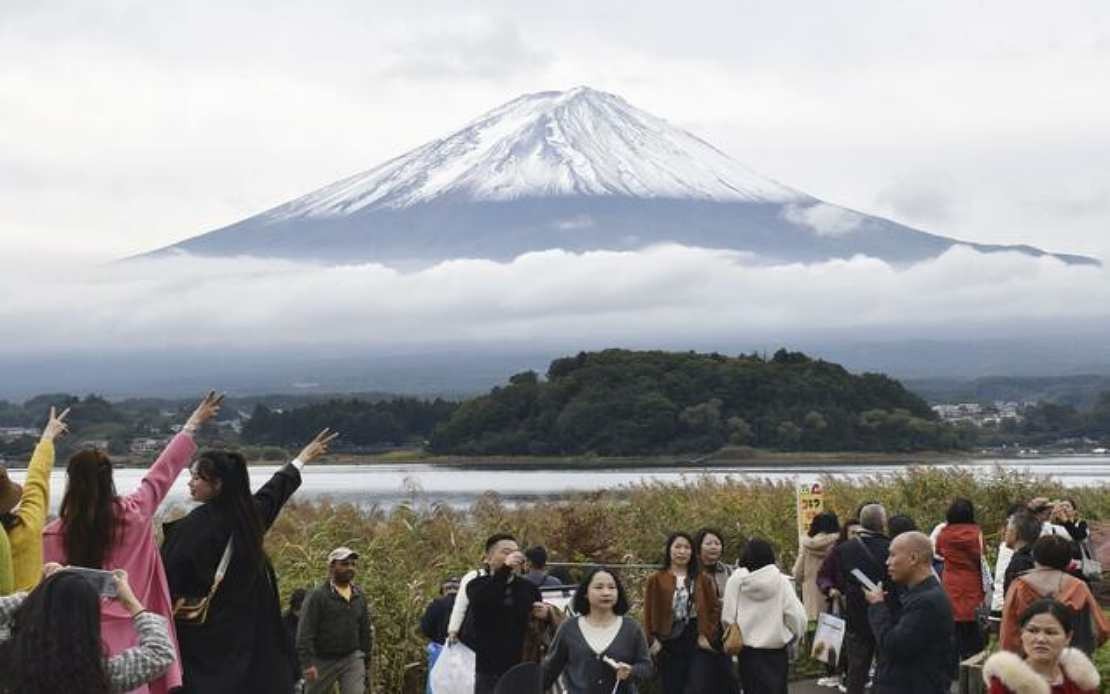
Interestingly, Mount Fuji's stranding statistics bucked the upward trend, falling below the five-year average and suggesting that increased safety measures, commercialised guide services, and restricted access protocols on Japan's most iconic peak may be yielding positive results. This counterintuitive finding offers a silver lining and demonstrates that targeted interventions can effectively reduce incidents on high-risk mountains. The contrast between Mount Fuji's improvement and overall trend deterioration suggests that similar systematic approaches applied nationwide could help reverse the broader trajectory.
For Malaysia and other Southeast Asian nations, Japan's experience offers critical lessons as mountain tourism accelerates throughout the region. Thailand, Malaysia, and Indonesia all welcome hundreds of thousands of international trekkers annually on increasingly remote trails and peaks. The Japanese data underscores how expanding tourism, particularly among older adventurers and international visitors unfamiliar with alpine environments, creates predictable stranding and rescue scenarios that overwhelm emergency services. Malaysian authorities managing destinations like Mount Kinabalu and Mount Tahan would benefit from Japan's cautionary example and its demonstrated success with targeted preventive measures.
The Japanese authorities face mounting pressure to address systemic vulnerabilities without restricting legitimate recreational access to mountains that hold cultural and recreational significance for millions. Enhanced pre-expedition mandatory briefings, improved signage in multiple languages, stricter enforcement of permit requirements on popular peaks, and expanded rescue coordination between prefectures represent potential policy responses. Investment in technology—satellite communicators, emergency beacons, and real-time trail condition reporting—could provide additional safety layers for vulnerable user groups.
Japan's record-breaking stranding figures ultimately reflect the complex intersection of an ageing population seeking active retirement, surging international tourism, and inadequate safety infrastructure scaling to meet demand. While the immediate crisis concerns Japan's rescue services and families of affected individuals, the broader significance resonates throughout Asia's tourism and mountain-sports communities. Addressing these incidents requires sustained commitment to education, regulation, and resource investment—a formula increasingly urgent across rapidly developing nations experiencing simultaneous demographic and tourism transitions that Japan now experiences acutely.

