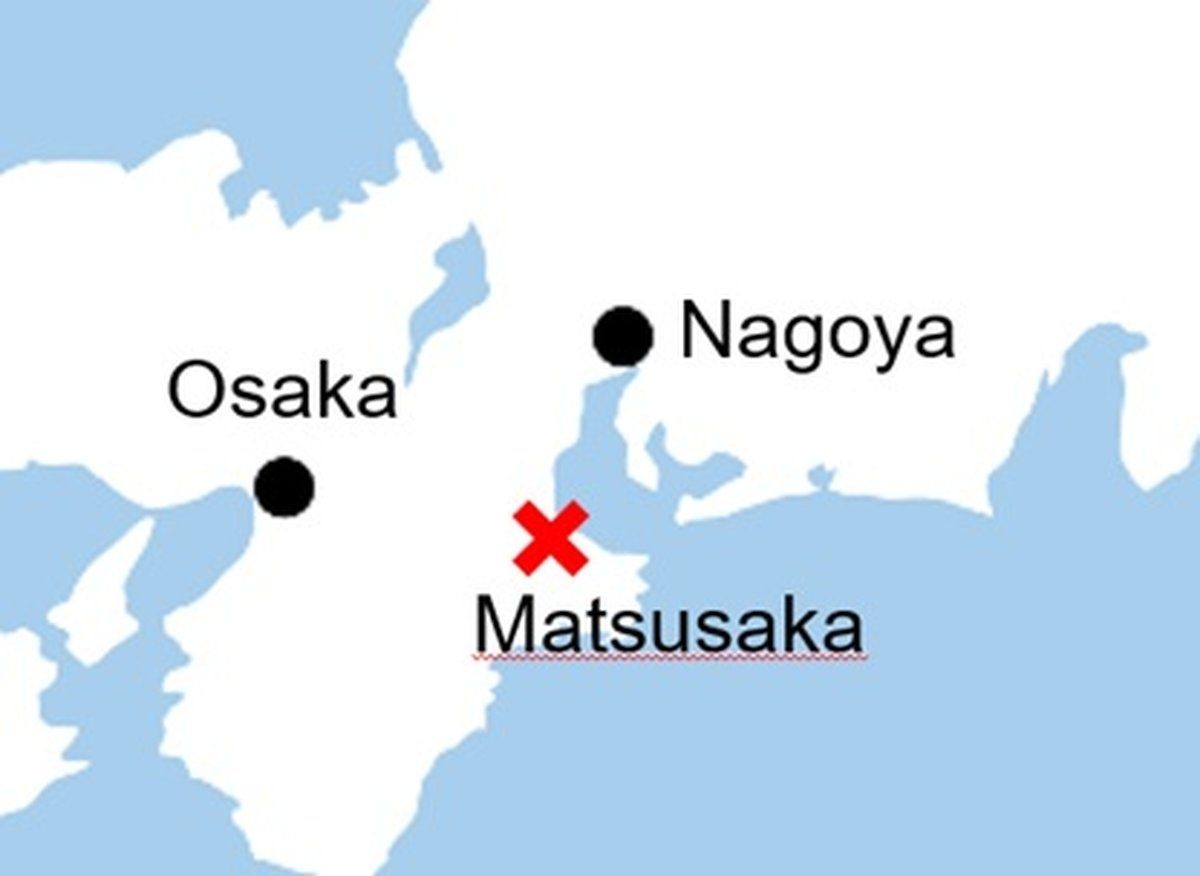
A 35-year-old resident of Matsusaka in Japan's Mie Prefecture faced arrest on Thursday, June 18, following allegations that he confined his partner's five-year-old daughter inside a garbage container with its lid secured. The suspect has since acknowledged the accusations levelled against him, according to accounts from local law enforcement agencies in the prefecture.
The incident occurred on the evening of May 12 at approximately 6.30pm within the suspect's residence in Mie Prefecture. Police investigations revealed that the man physically transported the young girl to the location of the garbage can, deposited her inside, and then closed the lid to prevent her exit. The child remained trapped in this confined space for roughly five minutes before being released. Throughout the ordeal, the girl sustained no physical injuries, though the psychological impact of such confinement remains unknown.
Most concerning is the suspect's characterisation of this action as a disciplinary measure. The rationalisation of such extreme confinement methods as acceptable child discipline reflects deeply troubling attitudes toward parenting and punishment. This justification has drawn scrutiny from child welfare advocates who argue that confining a small child in an enclosed space poses serious risks, from oxygen depletion to psychological trauma, regardless of the stated intentions.
The discovery and reporting of this case followed a delayed timeline. It was not until May 20—eight days after the initial incident—that a child welfare centre learned of what had transpired. Upon receiving this information, the centre promptly notified police authorities to initiate formal investigation procedures. This lag period highlights potential gaps in mandatory reporting mechanisms and the importance of rapid intervention protocols when child safety is at stake.
The welfare authorities' response extended beyond the immediate victim. The girl's older sister was simultaneously brought into protective custody by the child welfare centre, suggesting that investigators identified additional concerns regarding the household environment and the wellbeing of other minors under the suspect's care. Such precautionary measures indicate that authorities assessed the situation as posing broader risks to children in the residence.
The arrest represents another addition to Japan's ongoing challenges with child abuse and maltreatment within domestic settings. Despite cultural narratives emphasising harmony and discipline in Japanese parenting, contemporary cases reveal that abusive practices persist and sometimes go unreported for extended periods. The gap between May 12 and May 20 demonstrates how victims may not immediately disclose incidents, and how institutional pathways for reporting sometimes function slowly.
For Malaysian and Southeast Asian observers, this case underscores universal concerns about child protection across different cultural contexts. While child discipline approaches vary significantly across the region, the confinement of a five-year-old in an enclosed garbage container crosses clear legal and ethical thresholds in virtually all jurisdictions. The incident reminds policymakers of the necessity for robust child safeguarding frameworks, accessible reporting mechanisms, and rapid response systems.
The psychological dimension of this case warrants particular attention. Confining a young child—an age when fears of darkness and enclosed spaces are developmentally normal—in a garbage container creates conditions for severe distress. Early childhood trauma of this nature can have lasting effects on psychological development, attachment patterns, and emotional regulation, despite the absence of visible physical injury.
Institutional responses to the case also merit examination. The eight-day delay between incident and reporting raises questions about how information flows from households to welfare agencies. In many jurisdictions across Asia, mandatory reporting requirements for teachers, doctors, and community workers exist in theory but lack enforcement mechanisms. This case suggests that even when abuse is eventually reported, the lag creates dangerous windows where continued mistreatment might occur.
The suspect's willingness to admit to the charges may facilitate speedier legal proceedings, though his rationale of "discipline" may feature prominently in sentencing considerations. Courts across the region grapple with balancing parental authority with child protection, and cases involving non-consensual confinement of minors typically result in convictions related to false imprisonment or child abuse statutes, depending on jurisdictional definitions.
Moving forward, this incident highlights the necessity for child welfare systems to develop faster escalation pathways and for public awareness campaigns to clarify what constitutes acceptable versus abusive discipline. Community education about reporting mechanisms—who to contact, how to report anonymously if necessary, and what triggers institutional response—remains essential across Southeast Asia, where informal family dispute resolution sometimes obscures serious abuse.
The protective removal of both children signals that authorities recognised a pattern of concern rather than treating the incident as isolated. Whether the older sibling experienced similar treatment or whether welfare assessors identified other risk factors remains unreported. Such comprehensive protective responses demonstrate best practice in child safeguarding, prioritising prevention of future harm over narrow interpretation of individual incidents.
Ultimately, this case exemplifies how cultural contexts, institutional responsiveness, and parental perspectives on discipline intersect at the critical nexus of child welfare. The resolution will likely influence broader discussions about child protection standards in Japan and may prompt regional dialogues about standardising safeguarding approaches across Southeast Asia.

