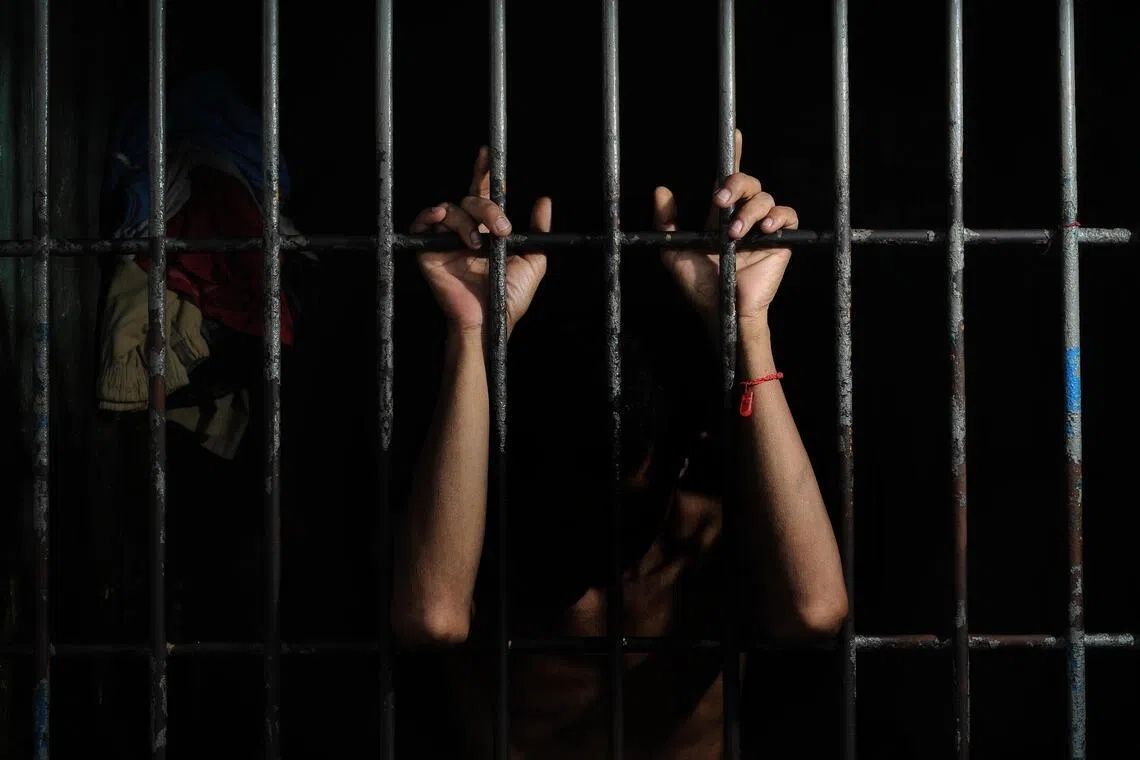
A mother in western Japan has filed a lawsuit seeking 100 million yen in damages following the death of her 16-year-old daughter, who died from extreme emaciation after undergoing prolonged detention and intensive police interrogations. The girl, identified as Runa in legal documents, passed away last December, just five months after her release from an 18-day jail ordeal that has become emblematic of what human rights advocates call Japan's "hostage justice" system. The case, lodged with Kobe district court on 17 June, has reignited international scrutiny of how Japan's law enforcement and prosecution systems handle suspects, particularly vulnerable individuals like juveniles.
Runa's circumstances paint a stark picture of institutional excess within Japan's criminal justice apparatus. In June of the previous year, the teenager was arrested at her workplace—a care facility for people with disabilities in Hyogo region—on suspicion of assaulting a resident during a Valentine's Day celebration. Runa consistently maintained her innocence, asserting through her legal representatives that she had merely attempted to prevent the patient from biting another person by gently placing her hand against the individual's chin. Despite the elementary nature of the alleged incident and the absence of any prior delinquency record, authorities proceeded to detain her. The charges were ultimately dropped entirely after eighteen days, yet the psychological and physical damage had already been irreversible.
The deprivation Runa experienced during her detention extended far beyond standard incarceration. She was systematically denied contact with her family, permitted only to communicate with her legal counsel, and subjected to relentless pressure to confess to an act she had not committed. According to her lawyer Masahiro Sasaki, interrogators employed psychological manipulation, telling Runa that she would face placement in a reformatory and would be unable to see her mother unless she admitted guilt. Through a journal Runa maintained while incarcerated, her lawyers documented investigators repeatedly asserting "You did it, didn't you? Just tell the truth," despite the absence of credible evidence. This coercive environment triggered acute stress disorder, eating disorder, and post-traumatic stress disorder, transforming what should have been a minor administrative matter into a devastating medical catastrophe.
Sasaki has challenged the fundamental legality of Runa's arrest and detention, arguing that the alleged assault was of "extremely trifling" nature and that her age and circumstances—living under parental supervision with no history of misconduct—rendered extended detention entirely unjustifiable under Japanese law. The lawyer further contended that no reasonable ground existed to suspect Runa would flee jurisdiction or tamper with evidence. Nevertheless, prosecutors twice petitioned to extend her detention whilst simultaneously blocking her attorney's applications to the judge for release. It was only after Runa suffered a physical collapse accompanied by vomiting, received emergency hospital treatment outside the facility, and was subsequently re-evaluated that prosecutors agreed to drop all charges and release her.
The tragedy unfolding in Runa's case reveals the structural pathologies embedded within Japan's criminal justice system, a framework that critics argue systematically disadvantages suspects and prioritizes confession extraction over genuine investigative rigour. In Japan's approach to criminal procedure, the presumption of innocence operates more as a theoretical construct than a practical reality. Prosecutors and police maintain extraordinary latitude in maintaining custody during pre-trial detention periods, and the system creates perverse incentives for confessions by effectively conditioning release upon admission of guilt. International observers have repeatedly condemned these practices, with human rights organizations documenting how suspects' decisions to exercise their right to silence or maintain their innocence frequently result in indefinite, psychologically devastating pre-trial detention.
The evocative terminology of "hostage justice" captures the essence of this predicament: suspects are essentially held hostage, their liberty contingent upon providing the confession authorities seek rather than upon any meaningful assessment of guilt or innocence. This dynamic proves especially pernicious in cases involving vulnerable populations—minors, individuals with cognitive impairments, or those from marginalized communities—who lack the resources, knowledge, or psychological resilience to withstand extended interrogation campaigns designed to break their resistance.
Runa's case exists within a troubling continuum of Japanese criminal justice failures. The lawsuit directly echoes the decades-long ordeal of Iwao Hakamada, who held the grim distinction of being the world's longest-serving death row inmate before his convictions were overturned in 2024. Japan's Supreme Court subsequently determined that Hakamada's confessions—which had formed the evidentiary foundation for his death sentences—were extracted through "inhumane" interrogation methods. Despite such high-profile exonerations, systemic reform has proven glacially slow, leaving countless individuals vulnerable to similar injustices.
Runa's mother has become an unlikely advocate for systemic change, publicly articulating the profound personal devastation inflicted by this institutional machinery. Speaking at a news conference following the lawsuit's filing, she expressed the haunting reality that her daughter became unrecognizable by the time of her death, her body wasted to merely twenty kilograms. Her questions—"I want to know what happened to her, and why she was arrested, detained and had to die?"—resonate with the anguish of families throughout Asia whose loved ones have been caught within similarly dysfunctional legal systems that prioritize bureaucratic efficiency and confession-based solutions over justice and human dignity.
The Kobe District Public Prosecutors Office has declined substantive comment regarding the lawsuit, stating they have not yet formally received a complaint. This administrative posture, however, does little to address the fundamental questions the case raises about accountability, oversight mechanisms, and whether vulnerable individuals—particularly teenagers—require additional legal protections during pre-trial detention. For Malaysian observers and other Southeast Asian stakeholders, Runa's case serves as a cautionary reminder of how developed democracies can nonetheless harbor criminal justice systems containing grave structural defects that inflict severe harm on vulnerable populations.
The broader implications of this lawsuit extend beyond Japan's borders, offering crucial lessons for regional jurisdictions wrestling with similar tensions between security imperatives and individual rights protection. As Southeast Asian nations continue developing their own criminal justice frameworks, the Japanese experience demonstrates that prosperity and democratic institutions do not automatically guarantee humane treatment of suspects. The case underscores the necessity for robust legal protections against prolonged pre-trial detention, independent judicial oversight of custody decisions, explicit protections for juvenile suspects, and meaningful consequences for authorities who exploit these systems to pressure innocent individuals into false confessions. Until such safeguards become embedded in institutional practice rather than merely statutory provision, cases like Runa's will continue representing the system's failure to protect its most vulnerable citizens.