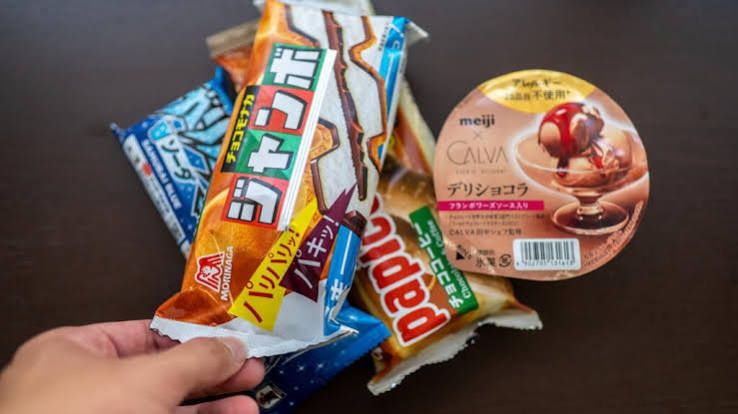
Japan's competition watchdog has intensified scrutiny of the country's ice cream industry, launching simultaneous raids on six major manufacturers accused of orchestrating a coordinated price-fixing scheme. The Japan Fair Trade Commission conducted searches at the head offices of Meiji Co., Morinaga Milk Industry Co., Lotte Co., Ezaki Glico Co., Morinaga & Co., and Akagi Nyugyo Co. on Tuesday, according to company statements and sources familiar with the investigation. The timing of the action comes as Japan enters its peak summer season, traditionally the most profitable period for frozen dessert producers.
The investigation centres on allegations that senior executives at these competing firms engaged in systematic collusion to synchronise price increases, potentially communicating through emails or in-person meetings spanning several years. According to a source briefed on the matter, the companies are suspected of deliberately timing their retail price hikes to align with one another, a hallmark of cartel behaviour designed to prevent consumers from shopping around for better deals. This coordinated approach would have eliminated the competitive pressure that typically keeps prices in check, allowing all participants to raise margins simultaneously without fear of losing market share to rivals charging lower prices.
Evidence of the suspected cartel pattern has become increasingly apparent since around 2022, when Japanese ice cream makers began implementing price increases with notable synchronisation. Rather than staggering their adjustments or varying the magnitude of increases—as would occur in a genuinely competitive market—the six firms consistently raised prices at approximately the same time each year. This clustering behaviour suggested to investigators that the companies were not responding independently to market conditions but rather following an agreed script. The regulators are now examining whether such coordination extended to determining not just the timing but also the percentage magnitude of each price adjustment.
Beyond the core allegation of price-fixing, Japan's Fair Trade Commission is investigating a secondary dimension of potential wrongdoing: whether these manufacturers exploited inflationary pressures as convenient cover for unjustified price hikes. The global spike in commodity costs, particularly for dairy products and sugar, provided legitimate grounds for some price increases across the food industry. However, regulators suspect that at least some of the increases implemented by the ice cream cartel substantially exceeded what rising input costs alone would justify. This suggests the firms may have used inflation as a smokescreen to extract additional profit margins from consumers while falsely attributing the increases to unavoidable cost pressures.
The ice cream sector proved exceptionally lucrative during the period under investigation. Japan experienced its hottest summer since temperature records began in 1989, creating exceptional demand conditions that normally benefit frozen treat manufacturers. Sales figures underscore the market's health: in the fiscal year ending March, total ice cream sales in Japan surpassed 660 billion yen, marking a record high for the industry. During such boom periods, companies would normally compete fiercely to capture market share, potentially offering discounts or smaller price increases to attract price-sensitive consumers. Instead, the coordinated behaviour allegedly prevented this competitive dynamic from functioning, allowing all participants to benefit from elevated prices during what was already an exceptionally profitable year.
All five companies that have made public statements have pledged full cooperation with the investigation, though such declarations are standard practice when facing regulatory scrutiny. Natsuyo Suzuki, representing Akagi Nyugyo, confirmed the firm's commitment to work with investigators following the on-site inspection. These statements, typically issued within hours of raids becoming public, reflect both the seriousness of the allegations and the companies' awareness that defiance would compound their legal jeopardy. However, cooperation statements do not indicate guilt or innocence; they represent tactical positioning as firms prepare for potentially extended investigative proceedings.
Japan's antitrust framework provides substantial enforcement tools if the Fair Trade Commission determines that a cartel did indeed operate. The regulator can compel participating firms to reform their business practices and impose financial penalties calibrated to reflect the harm caused. Given the scale of the ice cream market and the duration of the alleged collusion, any fines imposed could be substantial. Beyond immediate financial consequences, conviction in an antitrust case carries reputational damage that can influence consumer perception and investor confidence in affected companies. For major Japanese firms with significant brand equity, such regulatory findings can trigger broader business consequences including shareholder activism and loss of consumer trust.
The investigation carries implications extending beyond the immediate participants. For Malaysian and Southeast Asian readers, the case illustrates how dominant multinational food manufacturers—several of which operate regional operations—can face serious enforcement action when competition authorities detect cartel behaviour. Meiji Co., Morinaga, and Lotte all maintain substantial operations across Southeast Asia, meaning that corporate penalties in Japan could affect their profitability and strategic resource allocation across the region. Additionally, the investigation demonstrates that sophisticated, long-running cartels involving major corporations can evade detection for years before regulators accumulate sufficient evidence to move against them.
The ice cream cartel case also reflects a broader global trend of intensified antitrust enforcement, particularly in developed economies where regulators are targeting alleged collusion in consumer goods markets. Japan's action follows similar investigations into price-fixing in other sectors and aligns with enforcement priorities emphasized by regulators in Europe, the United States, and increasingly in Southeast Asia. As competition authorities worldwide adopt more aggressive investigative approaches and expand information-sharing arrangements, companies engaging in coordinated pricing behaviour face elevated risk of detection. For multinational corporations operating across multiple jurisdictions, this means that cartel behaviour discovered in one market can trigger cascading investigations in others.
The coming weeks will determine whether the Fair Trade Commission's suspicions translate into formal findings of cartel conduct. The investigation will likely examine internal communications, meeting records, and pricing data to establish whether the synchronised increases reflected genuine coordination or coincidental responses to similar cost pressures. The complexity of such cases means the investigation could extend for months or years before reaching conclusions. In the interim, the ice cream manufacturers face regulatory uncertainty, the prospect of substantial penalties, and potential reputational damage as consumers learn of the allegations. The case serves as a cautionary reminder that even in ostensibly competitive consumer markets, coordinated pricing behaviour can persist—and eventually invite aggressive regulatory response.