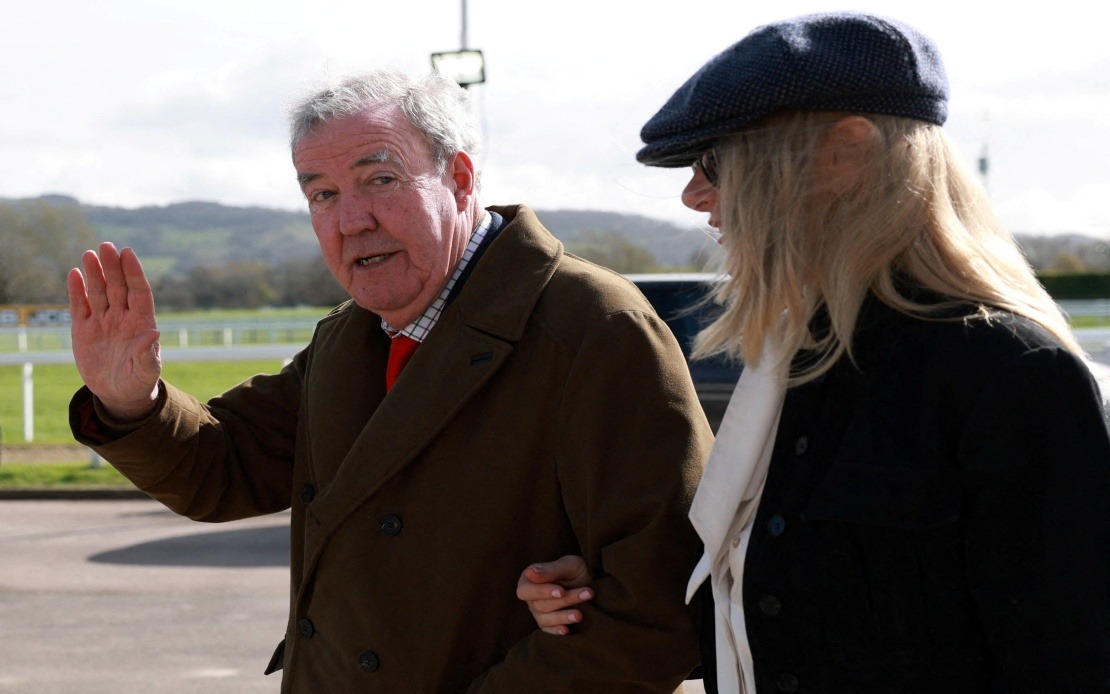
British television personality Jeremy Clarkson has made public his prostate cancer diagnosis, disclosing the condition during candid conversations on his popular farming reality series. The 66-year-old presented The Grand Tour host shared the news matter-of-factly with those around him, including farm manager Kaleb Cooper and land agent Charlie Ireland, while they were discussing routine harvest planning matters. Rather than issuing a formal statement, Clarkson chose to address his health situation directly on camera, a decision that reflects his characteristic straightforward approach to personal matters.
The announcement came during the final episode of the current season, where Clarkson revealed he had already undergone surgical intervention to address the malignancy. Speaking candidly about the procedure, he explained that medical teams had removed a portion of his prostate gland specifically targeting the cancerous tissue. The presenter described the affected area in clinical terms, noting that approximately 10 per cent of the organ contained the disease and had subsequently been excised. Despite the serious nature of the diagnosis, Clarkson conveyed a measured optimism about his prospects, telling viewers he anticipated making a full recovery, though cautioning that he would need time away from work commitments during his recuperation.
Clarkson's health journey has been marked by several significant medical episodes over recent years. Approximately two years prior to this diagnosis, the broadcaster underwent a cardiac procedure requiring the insertion of two stents designed to enhance blood circulation to his heart. Following that intervention, medical professionals advised him to cease working temporarily, guidance he initially acknowledged but later sidestepped in favour of pursuing golfing activities as recommended therapy. The cumulative effect of these health challenges underscores the physical demands placed on television personalities who maintain intensive work schedules well into their later years.
The prostate cancer revelation carries particular weight given Clarkson's central role in his farming reality series, which has become increasingly significant both to his professional identity and to audiences interested in agricultural matters. The show has resonated strongly with viewers, transforming Clarkson's public persona from primarily a motoring enthusiast into an advocate for rural and farming communities. His genuine engagement with the realities of agricultural operations has lent authenticity to the programme, generating substantial viewership across multiple seasons and international markets.
In the final episode's hospital bed appearance, Clarkson acknowledged the uncertain timeline for confirming treatment success, indicating that November represented the earliest realistic window for determining whether the surgical intervention had achieved its therapeutic objectives. This extended waiting period underscores the methodical nature of cancer treatment monitoring and the necessity for patience during the recovery and assessment phase. The presenter's candid admission about returning to a hospital bed bookended the season dramatically, creating a poignant narrative arc that reflected the unpredictability of health circumstances.
Clarkson's attitude toward his condition reflected philosophical pragmatism mixed with cautious hope. He expressed his intention to return for a sixth season of the farming programme should his treatment prove successful, while simultaneously acknowledging the possibility that his health situation might preclude continued involvement in demanding television production work. This honest assessment avoided false bravado while maintaining the possibility of future engagement with his loyal audience. The statement implicitly raised questions about production schedules, insurance considerations, and the broader implications for the entertainment industry's approach to aging presenters managing serious health conditions.
The diagnosis places Clarkson alongside numerous public figures who have navigated prostate cancer with varying degrees of transparency. His choice to discuss the matter publicly rather than keeping it private represents a potential contribution to broader public health awareness, particularly among male viewers in demographic groups facing elevated risk factors. In Malaysia and across Southeast Asia, where cultural attitudes toward discussing male health conditions often remain reserved, Clarkson's candour offers a contrasting model of openness that might encourage similar transparency within local communities.
Beyond his health struggles, Clarkson has cultivated a substantial platform as a farming advocate since acquiring his Oxfordshire property in 2019. His transformation into a vocal supporter of agricultural communities reflects genuine engagement rather than passing interest, evident in his participation in November 2024 protests against proposed inheritance tax policies affecting farmland in the United Kingdom. This activism demonstrates how his reality series has evolved beyond entertainment programming into a vehicle for raising awareness about rural economic pressures and policy challenges affecting farmers throughout Britain.
The sixth season, currently scheduled for 2027 release, faces an inherent element of uncertainty given Clarkson's medical circumstances. The extended timeline between seasons provides adequate opportunity for his complete recovery and rehabilitation, should his cancer treatment prove successful. The scheduling decision also reflects standard production intervals for the series, which has maintained a biennial release pattern. Production planners will need to coordinate with Clarkson's medical timeline and recovery requirements, balancing his recovery needs against audience expectations for continued programming.
Clarkson's previous health challenges have informed his subsequent lifestyle adjustments. He previously abandoned smoking following a pneumonia diagnosis contracted during a Spanish holiday, demonstrating a willingness to modify personal habits in response to medical warnings. His proactive engagement with health recommendations, combined with his pragmatic approach to discussing serious conditions publicly, suggests a mature perspective on mortality and wellness that may resonate with audiences grappling with their own health concerns. The coming months will reveal whether the surgical intervention achieved its intended therapeutic effect and whether Clarkson can resume his television work as anticipated.