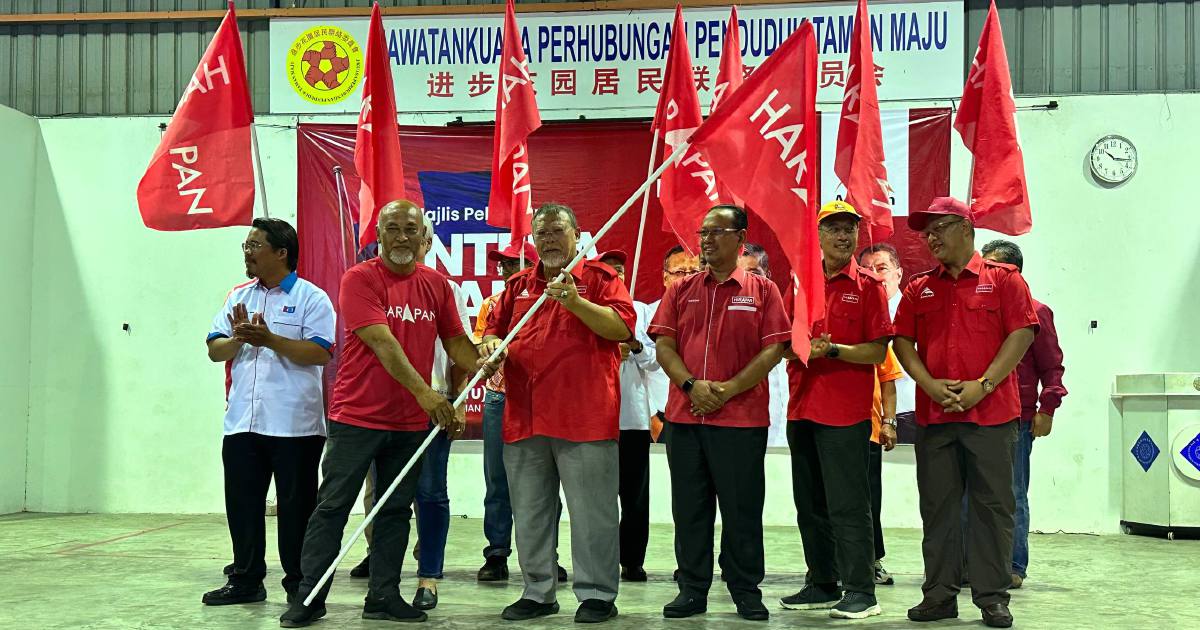
Johor's Amanah chapter has declared ambitious targets for the upcoming state election scheduled for July 11, signalling that the party expects to retain and potentially expand its presence in the crucial northern zone of the peninsula's southern state. Speaking in Batu Pahat, party leadership expressed optimism that they will secure at least six victories from the ten state seats where they have put forward candidates, representing a substantial portion of their overall electoral push in the region.
The northern zone of Johor has traditionally served as a competitive battleground in state politics, with multiple parties vying for influence and representation. The zone encompasses several demographically diverse constituencies that reflect different voter priorities—from urban professionals to rural agricultural communities—making it a microcosm of broader political trends in Johor. Amanah's decision to contest ten seats in this area suggests the party views the region as receptive to its message and organizational capacity.
The July 11 election represents a significant political moment for Johor, as voters will determine the composition of the state government and the direction of state policy on crucial issues ranging from economic development to public services. For Amanah, a party that has gained gradual traction in Malaysian politics since its formation, strong performance in Johor could enhance its credentials as a viable coalition partner and amplify its voice in state-level governance. The northern zone contests are particularly strategic, as victories there could translate into meaningful representation on legislative committees and access to state resources.
Amanah's confidence appears rooted in on-the-ground organizational work and what the party perceives as receptiveness among voters in these constituencies. The party has invested in constituency-level mobilization and candidate selection, attempting to field candidates with local credibility and understanding of community concerns. This grassroots approach reflects a broader strategic shift among Malaysian political parties attempting to compete with better-resourced rivals through intensive community engagement rather than reliance on traditional media campaigns alone.
The targeting of six seats from ten represents a realistic projection rather than hyperbolic speculation, suggesting Amanah's internal polling and assessment indicates genuine competitive viability in these constituencies. Achieving this threshold would position the party as a meaningful bloc within any potential coalition government and strengthen its negotiating position on policy priorities. For comparison, such performance would represent solid progress for a party that continues building its electoral machinery across Malaysia.
Competition in these constituencies is expected to be fierce, with established parties likely to mount aggressive campaigns defending current seats or attempting to dislodge opposition incumbents. The political landscape in Johor involves multiple competing narratives about governance, development priorities, and representation. Amanah will need to effectively communicate its distinguishing policy positions and candidate qualities to voters who will weigh competing claims from various political organizations.
The July 11 election occurs within a broader context of Malaysian politics characterized by coalition realignments, shifting voter preferences, and evolving urban-rural political dynamics. Johor, as Malaysia's second-most populous state and an economically significant region, holds particular importance for understanding national political trends. Results from this state election will provide indicators about voter sentiment that could influence calculations for future national-level political developments.
For Malaysian investors and businesses, election outcomes in Johor carry implications for policy continuity and governance effectiveness. The state's strategic location connecting to Singapore, its role in regional economic corridors, and its substantial manufacturing and service sectors mean that political stability and competent administration matter significantly for business confidence and economic growth. Amanah's participation in state governance could introduce different policy emphases, particularly regarding social spending and developmental priorities.
The party's optimism about the northern zone contests should be understood within the context of Malaysia's evolving political culture. Voters increasingly evaluate parties based on perceived competence, anti-corruption records, and policy specificity rather than party affiliation alone. Amanah, positioned as a reform-oriented Islamic-based party, has attempted to carve out space as an alternative to both long-established ruling parties and opposition organizations, with particular appeal to educated urban voters and younger demographics seeking different political choices.
Amanah's six-seat target also reflects calculations about coalition strategy. Depending on overall election results, these six seats could prove pivotal in coalition negotiations or government formation, giving the party outsize influence on state policy direction. This is particularly relevant given Malaysia's history of coalition-dependent governments and the importance of reliable coalition partners in maintaining governmental stability and legislative majorities.
The coming weeks will reveal whether Amanah's optimism proves justified through actual voter preferences and campaign effectiveness. Campaign dynamics, candidate performance in media engagement, and local issue resonance will ultimately determine whether the party achieves its stated objectives. The election will test whether Amanah can translate organizational confidence into electoral success across multiple constituencies simultaneously, a significant challenge that many Malaysian political parties have struggled to achieve consistently.

